LOS ANGELES — Mental health professionals and child welfare advocates say arrests and detentions of immigrant parents are contributing to increased psychological stress among children, as immigration enforcement actions continue across the United States and families face uncertainty about separation and legal status.
Healthcare providers, researchers and advocacy organizations have reported rising levels of anxiety, depression and trauma-related symptoms among children in immigrant communities during the past year. The concerns come amid expanded immigration enforcement efforts under the Trump administration, including arrests, detentions and deportations affecting families across multiple states.
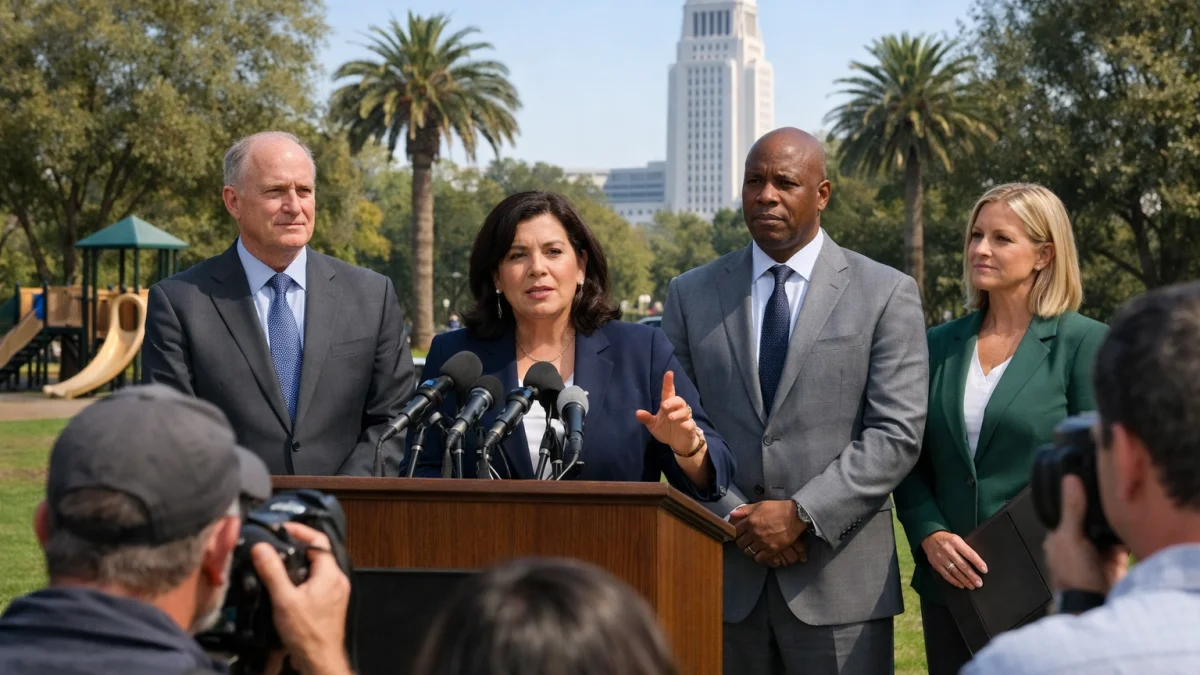
Data shared by Los Angeles-based healthcare provider Zocalo Health showed a sharp increase in mental health concerns among patients in communities experiencing intensified immigration enforcement. “Immigration enforcement is functioning as a real time public health stressor in the communities that we serve,” Sophia Pages, the organization’s executive director of behavioral health, told NPR in May.
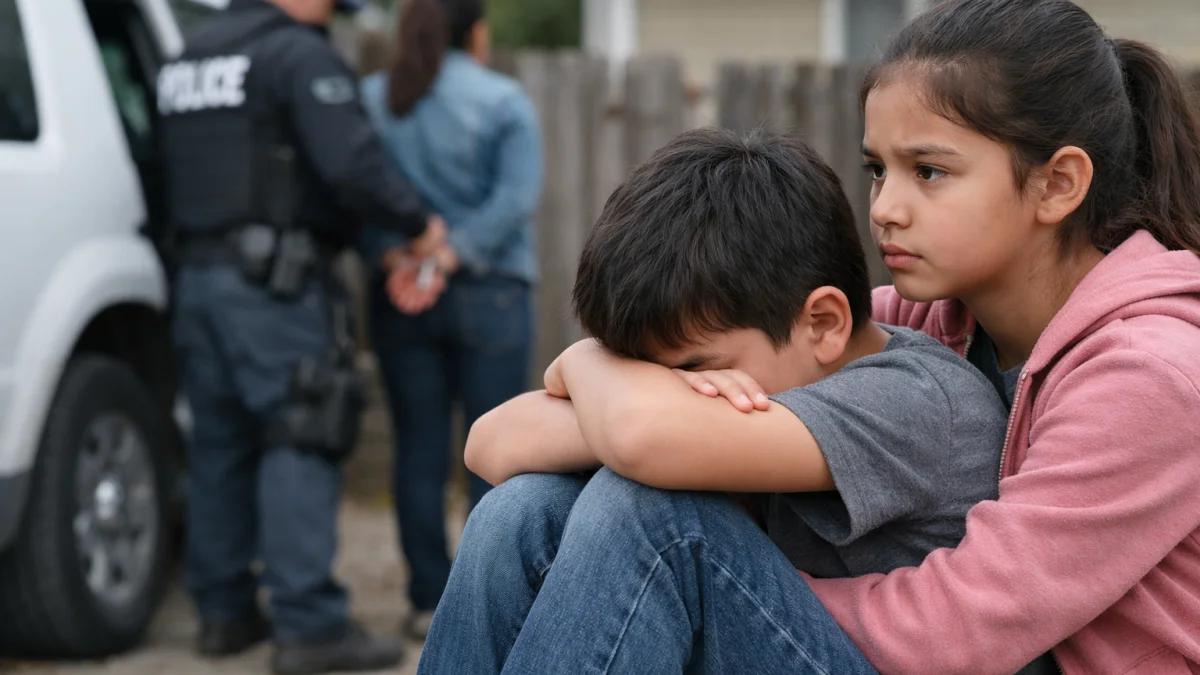
Pediatric psychologist Ariana Hoet of Nationwide Children’s Hospital said children often experience significant fear when they believe a parent could be detained or removed from the home. “Most children are very aware of that and live in that fear of what can happen to my parents,” Hoet said, according to NPR. Researchers cited by healthcare providers have linked family separation and prolonged uncertainty to elevated risks of anxiety, depression and post-traumatic stress symptoms among children.
Recent reporting by the Associated Press documented cases in which children who were previously separated from parents under earlier immigration policies experienced additional separations following later enforcement actions. The AP reported that dozens of families covered by legal protections intended to prevent renewed separations were nonetheless affected by arrests, detentions or deportations.
In Minnesota, schools and mental health providers have introduced counseling programs and support services for students affected by immigration enforcement operations. Educators and social workers told the Associated Press that some children witnessed the detention of relatives or experienced extended periods away from school because of fears surrounding enforcement activity.
Federal officials have defended enforcement measures as part of broader efforts to strengthen immigration laws and protect children from exploitation. The Justice Department recently announced investigations into cases involving adults suspected of fraudulently obtaining custody of unaccompanied migrant children, while administration officials said they are pursuing actions against individuals believed to have violated immigration or trafficking laws.
Child welfare organizations and legal advocates have urged policymakers to consider the effects of enforcement actions on minors, particularly U.S.-citizen children living in mixed-status households. Researchers and healthcare providers continue to study the long-term consequences of family separation and immigration-related stress on child development.
As of June 2026, immigration enforcement operations remain ongoing, while healthcare providers, schools and community organizations continue offering support services to families affected by arrests, detention proceedings and deportations.