NEW YORK — Court proceedings moved forward this week in the closely watched murder case against Luigi Mangione, with a New York judge confirming that the defendant plans to pursue a psychiatric defense at his upcoming state trial in the killing of UnitedHealthcare Chief Executive Brian Thompson.
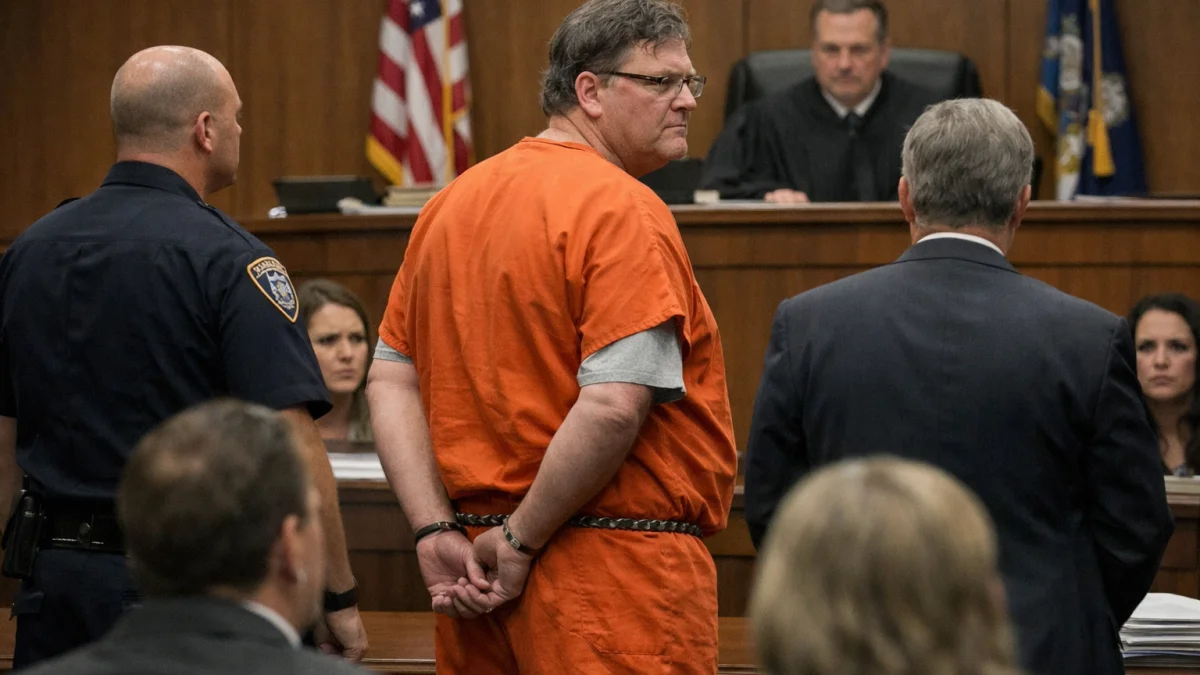
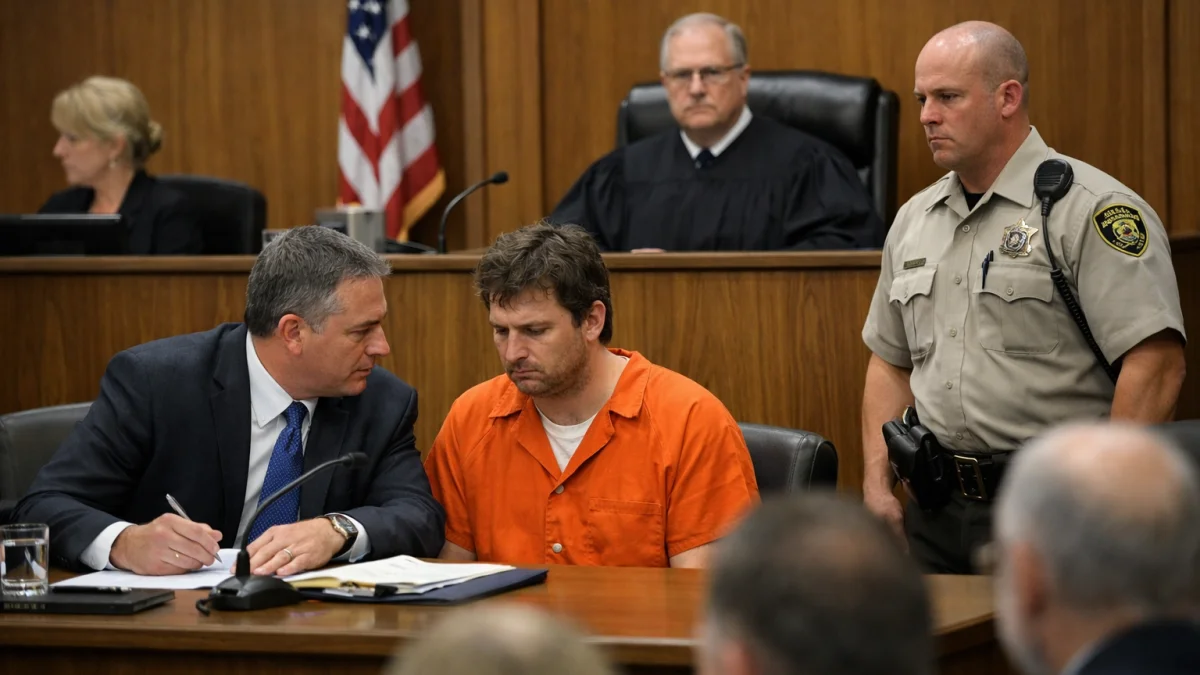
During a hearing in Manhattan on Wednesday, Judge Gregory Carro said Mangione’s lawyers intend to argue that he was suffering from “extreme emotional disturbance at the time of the occurrence,” a legal defense under New York law that could reduce a murder conviction to manslaughter if accepted by a jury. Mangione has pleaded not guilty to the charges.
The case stems from the December 2024 fatal shooting of Thompson outside a Manhattan hotel where the executive was attending a company investor conference, according to prosecutors. Authorities allege Mangione carried out the attack and was arrested in Pennsylvania after a multi-day search.
Judge Carro said the defense strategy was discussed during a sealed hearing earlier this month and that transcripts and related records would be released with redactions. “The reasons for the sealing was to give the defense an opportunity to determine whether they were going forth with that defense and the nature of that defense,” the judge said in court.
Prosecutors have requested access to details of the proposed psychiatric defense and have sought an evaluation by a prosecution expert, court records show. The judge warned that the defense would be required to provide sufficient information before trial and indicated he did not expect the dispute to delay proceedings.
Mangione faces separate state and federal prosecutions arising from the same incident. The psychiatric defense is available in the New York state case but not in the federal proceeding, according to statements made during the hearing. Defense attorney Karen Friedman Agnifilo argued that public disclosure of materials related to the psychiatric defense could affect the federal case.
The court has also ruled on several evidentiary matters in recent weeks. Prosecutors have been permitted to use a notebook and a firearm they say are linked to the defendant, while other items recovered during his arrest have been challenged by the defense. Court filings show disputes over the admissibility of certain evidence remain ongoing.
According to the court schedule, jury selection in the state trial is set to begin on Sept. 8. A federal trial is expected to follow later in the year. As of Thursday, no plea agreement had been announced, and both the prosecution and defense were continuing pretrial preparations.