WASHINGTON — Federal officials this week defended the Trump administration’s immigration enforcement policies in a series of court proceedings, as legal challenges from states, cities and advocacy groups continued to test the administration’s authority to implement its enforcement agenda.
The Department of Justice and the Department of Homeland Security have argued in multiple cases that federal agencies possess broad authority to enforce immigration laws and that state and local governments cannot obstruct those efforts. The legal disputes come as the administration pursues an expanded immigration crackdown that has included increased arrests, detention policies and challenges to so-called sanctuary jurisdictions.
On Tuesday, a federal judge in New Jersey dismissed a Justice Department lawsuit against four cities that maintain policies limiting cooperation with federal immigration authorities. U.S. District Judge Evelyn Padin ruled that the administration's challenge could not succeed because the municipal policies were tied to a broader statewide directive governing local law-enforcement cooperation with immigration authorities.
The Justice Department has indicated it will continue defending its position. A department spokesperson said federal authorities “take the unlawful obstruction of federal law enforcement operations extremely seriously” and would continue investigating matters related to immigration enforcement in compliance with the law.
The administration has also encountered setbacks in other immigration-related litigation. A federal judge in California on Tuesday vacated policies that had expanded Immigration and Customs Enforcement authority to conduct arrests at immigration courthouses and hold certain noncitizens in short-term detention. The court found that the policies had not been adequately justified under federal administrative law.
Separately, a federal judge recently blocked Justice Department subpoenas issued to Minnesota officials as part of an investigation into whether resistance to federal immigration operations violated federal law. The court ruled that the subpoenas exceeded permissible investigative authority.
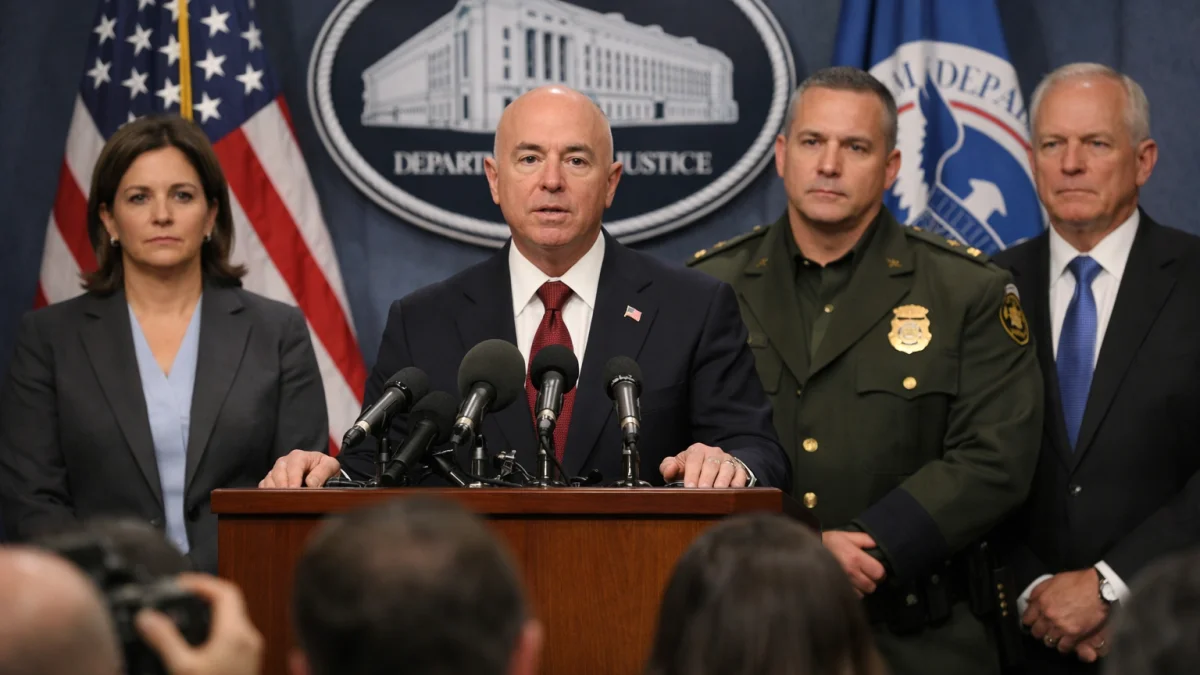
Administration officials have maintained that aggressive enforcement remains a priority. Homeland Security officials have highlighted increased immigration arrests and deportation efforts since Trump returned to office, arguing that stronger enforcement is necessary to address unlawful immigration and public safety concerns.
Critics, including immigrant-rights organizations, Democratic state officials and some local governments, contend that certain enforcement measures exceed federal authority or risk undermining due-process protections. Several lawsuits challenging detention practices, enforcement operations and cooperation requirements remain pending in federal courts.
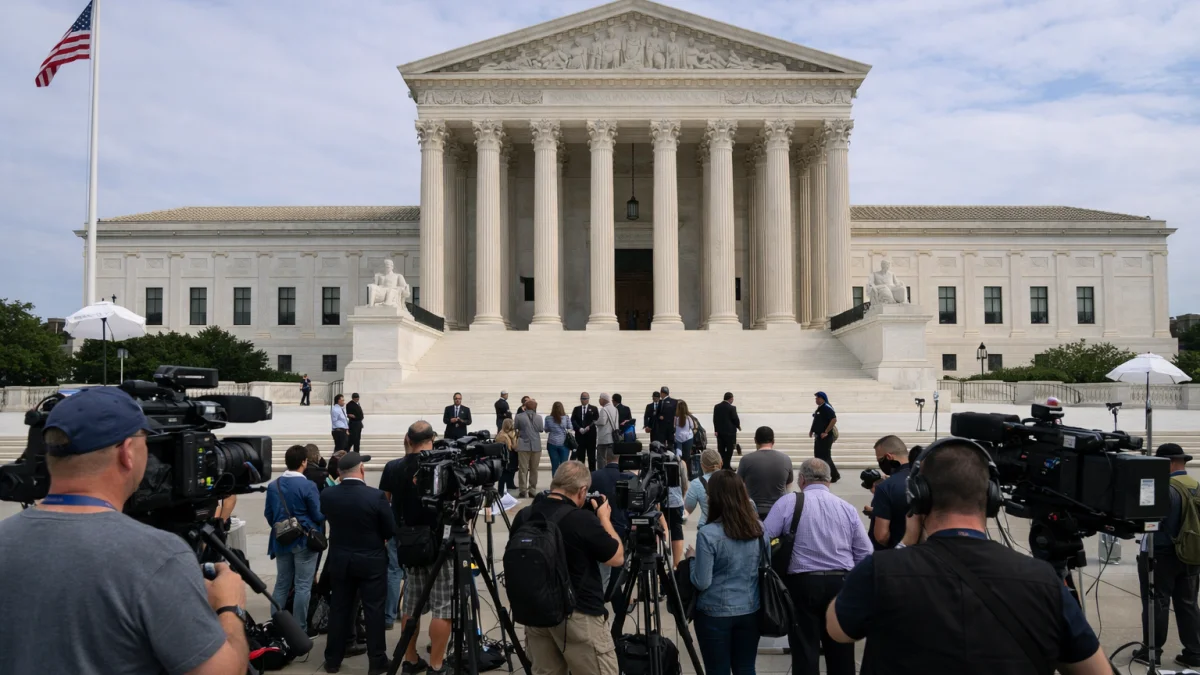
The legal battles extend beyond local cooperation policies. The Supreme Court recently agreed to hear an appeal involving the prolonged detention of certain immigrants facing deportation proceedings, a case that could clarify the limits of federal detention authority.
As of Thursday, the administration continued to defend its immigration policies in court while federal judges across multiple jurisdictions weighed challenges brought by states, municipalities and advocacy groups. Several cases remain active, and further appeals are expected in the coming months.