TALLAHASSEE, Fla. — A Florida appeals court has ruled that the state’s prohibition on concealed firearm carry by adults ages 18 to 20 violates the Second Amendment, overturning a lower-court decision and directing further proceedings in a case brought by a young man charged under the law. The ruling was issued on Wednesday by the Fourth District Court of Appeal, according to the court’s opinion and statements from state officials.
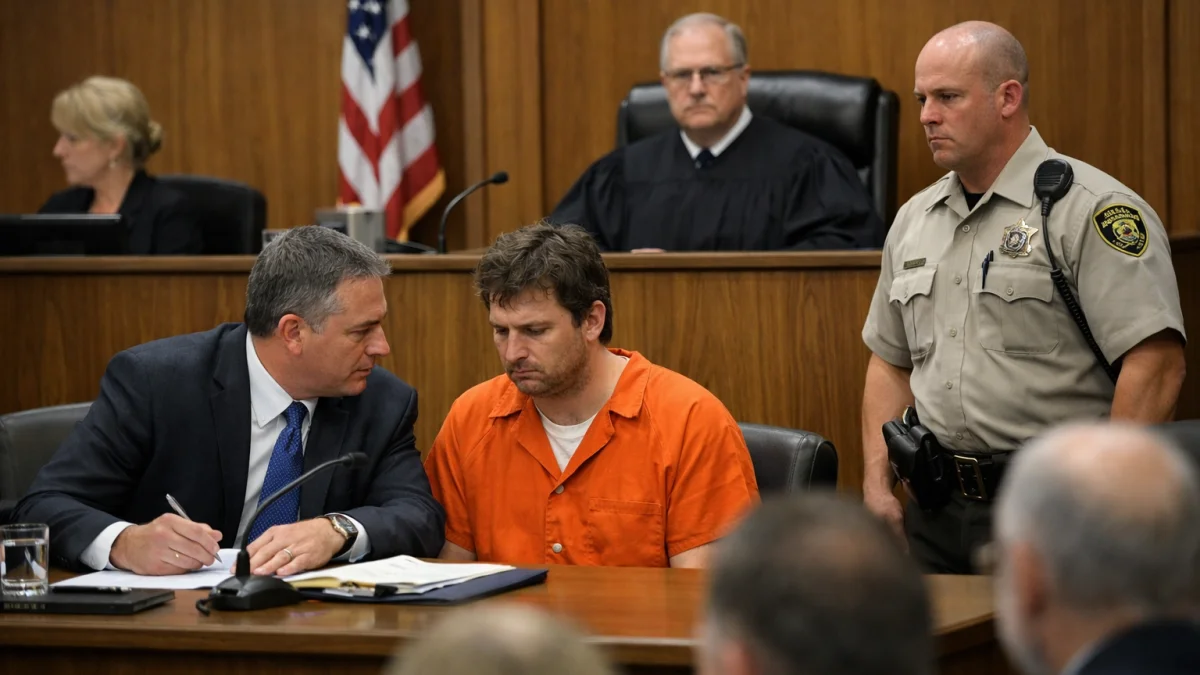
The case stemmed from the 2024 arrest of Jaylen Eubanks, who was 18 at the time and was charged with carrying a concealed firearm and improper exhibition of a firearm after police responded to reports of a person displaying a handgun, court records show. Eubanks challenged the concealed-carry charge, arguing that Florida’s age-based restriction was unconstitutional.
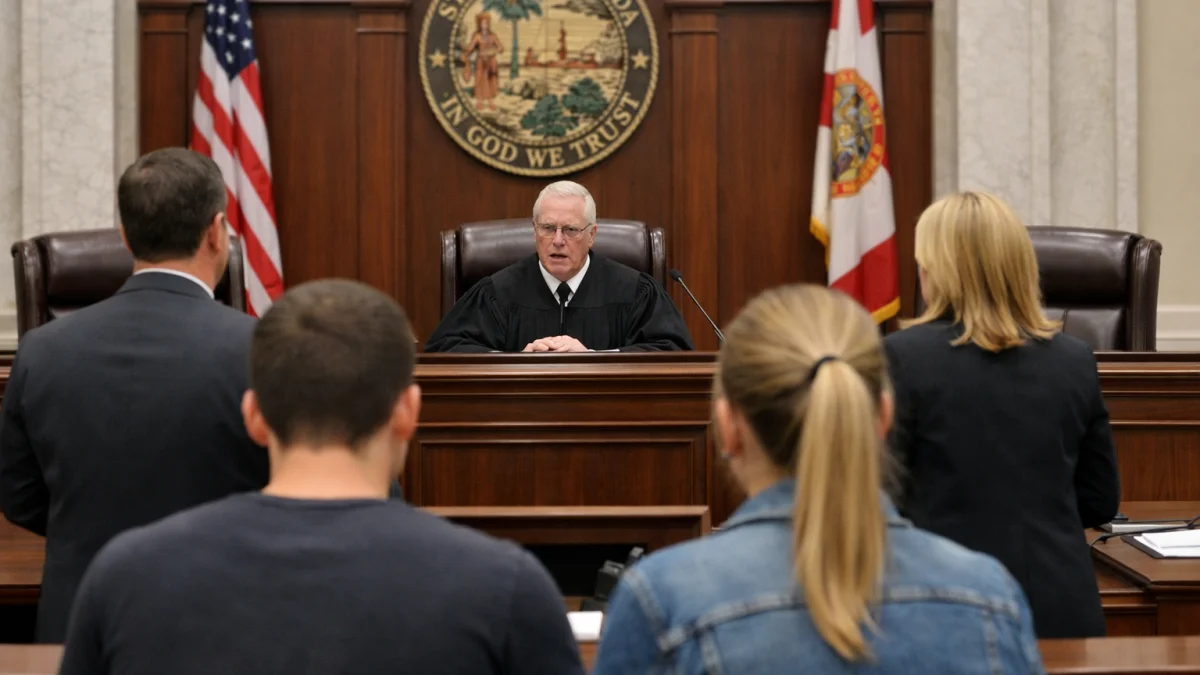
Writing for a unanimous three-judge panel, Judge Spencer D. Levine said adults between 18 and 20 years old are part of the group protected by the Second Amendment. “Restricting 18- to 20-year-olds — members of the same ‘political community’ as other law-abiding adults — from rights to self-defense would make the Second Amendment a ‘second-class’ right,” Levine wrote in the opinion.
The court said Florida failed to demonstrate a historical tradition of firearm regulations that would support the restriction under standards established by recent U.S. Supreme Court decisions, including New York State Rifle & Pistol Association v. Bruen. The panel also cited historical militia requirements involving 18-year-olds during the nation’s founding era.
The concealed-carry restriction was enacted after the 2018 mass shooting at Marjory Stoneman Douglas High School in Parkland, where 17 people were killed, according to court filings and prior legislative records. The ruling concerns carrying firearms and does not directly address Florida’s separate restrictions on firearm purchases by people under 21.
Florida Attorney General James Uthmeier, who declined earlier this year to defend the law in court, welcomed the decision. In a statement on social media, he said the ruling represented “another win for the unalienable rights of Floridians” and added that the state would not seek further review.
Opponents of the decision expressed concern about public safety. Broward State Attorney Harold Pryor said in a statement that his office disagreed with the attorney general’s position, citing the impact of gun violence in Florida and the legacy of the Parkland shooting.
The appeals court reversed Eubanks’ concealed-carry conviction and returned the case to the lower court. State officials said they would work with the Florida Department of Agriculture and Consumer Services to implement the ruling.