CARACAS — Rescuers continued searching through rubble for survivors on Thursday after two powerful earthquakes struck northern Venezuela, killing at least 188 people and injuring more than 1,500 others, officials said.
The quakes, measuring 7.2 and 7.5 in magnitude, struck within about 40 seconds of each other on Wednesday evening west of Caracas, causing widespread building collapses in the capital and the port city of La Guaira, according to the U.S. Geological Survey and Venezuelan authorities.
Interim President Delcy Rodríguez declared a state of emergency, with rescue teams focusing on areas where dozens of buildings were reported flattened. Jorge Rodríguez, president of the National Assembly, said more than 200 people remained trapped under debris as of Thursday, with search efforts continuing.
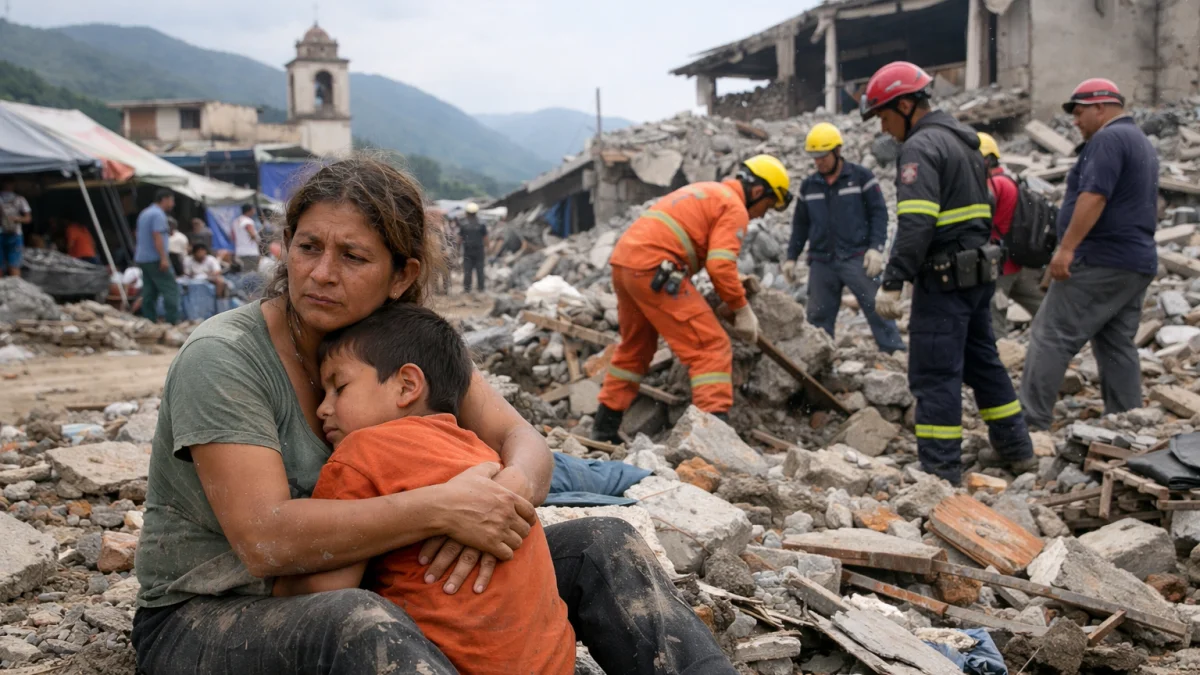
The earthquakes damaged infrastructure including Simón Bolívar International Airport near Caracas, leading to its closure. Panicked residents fled into streets as aftershocks followed the initial tremors.
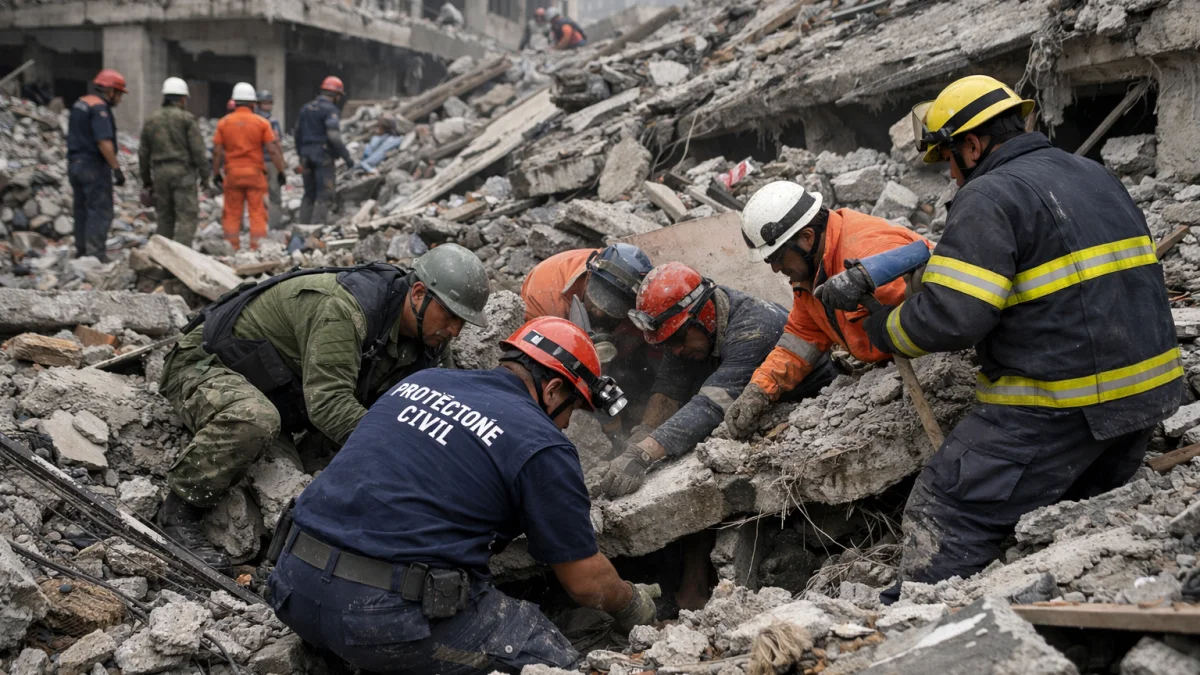
In La Guaira and parts of Caracas, residents and emergency workers climbed through collapsed apartment buildings looking for signs of life. Images showed teams using hands and basic tools to move concrete and steel debris.
"The next 72 hours are critical," U.S. Secretary of State Marco Rubio said, announcing American support for search and rescue operations. Several countries offered assistance amid reports of limited local resources.
Authorities reported at least 250 buildings damaged or destroyed, primarily in northern coastal areas. The full extent of the damage remained unclear as assessments continued, with officials warning that casualty numbers could rise.
The U.S. Geological Survey had earlier indicated a high probability of significant casualties and extensive damage given the quake magnitudes and local building conditions. Previous major earthquakes in Venezuela were rare, with the 7.5-magnitude event described as one of the strongest in more than a century.
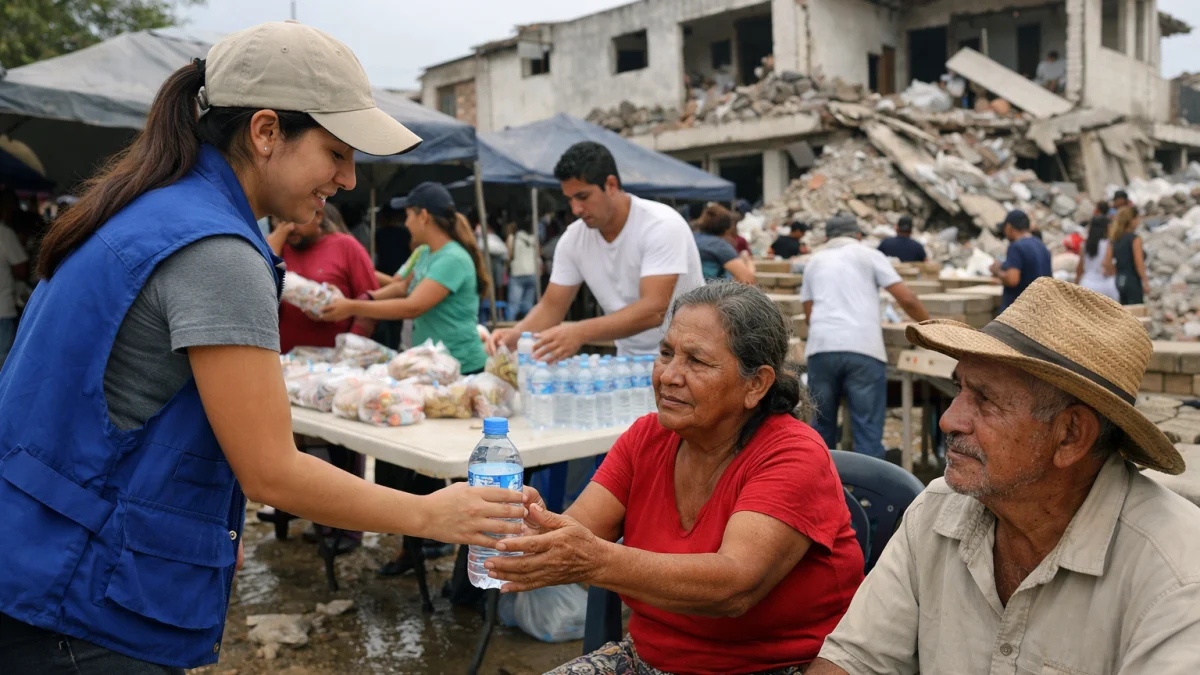
Power outages and disruptions to communications complicated response efforts in affected regions. Displaced residents faced challenges finding shelter after homes were destroyed or deemed unsafe.
As of Thursday afternoon, rescue operations persisted with support from domestic teams and incoming international aid. Officials said efforts focused on locating those still trapped, while health authorities treated the injured in temporary facilities. Details on long-term recovery plans were not immediately available.