

UNITED NATIONS — Governments, regulators and scientific agencies are expanding monitoring and policy measures aimed at addressing microplastics contamination in drinking water and other water sources in 2026, as studies continue to detect plastic particles in aquatic environments and public health research remains ongoing.
The European Union in May brought into force updated water pollution rules that, for the first time, explicitly include microplastics among substances subject to enhanced monitoring in surface and groundwater systems, alongside certain per- and polyfluoroalkyl substances (PFAS) and pharmaceutical residues, according to a European Commission statement. The rules are intended to strengthen water quality oversight and improve detection of emerging contaminants .


In the United States, the Environmental Protection Agency (EPA) and Department of Health and Human Services (HHS) announced in early April coordinated actions to address microplastics in drinking water. The EPA included microplastics for the first time in its draft Sixth Contaminant Candidate List, a research and evaluation framework under the Safe Drinking Water Act that guides future regulatory consideration and funding priorities . The agencies also said the initiative is intended to improve measurement methods and identify exposure pathways.
EPA Administrator Lee Zeldin said at the time, according to an agency statement, that the effort would help “measure microplastic exposure, identify sources of risk, and develop targeted solutions to reduce it” .
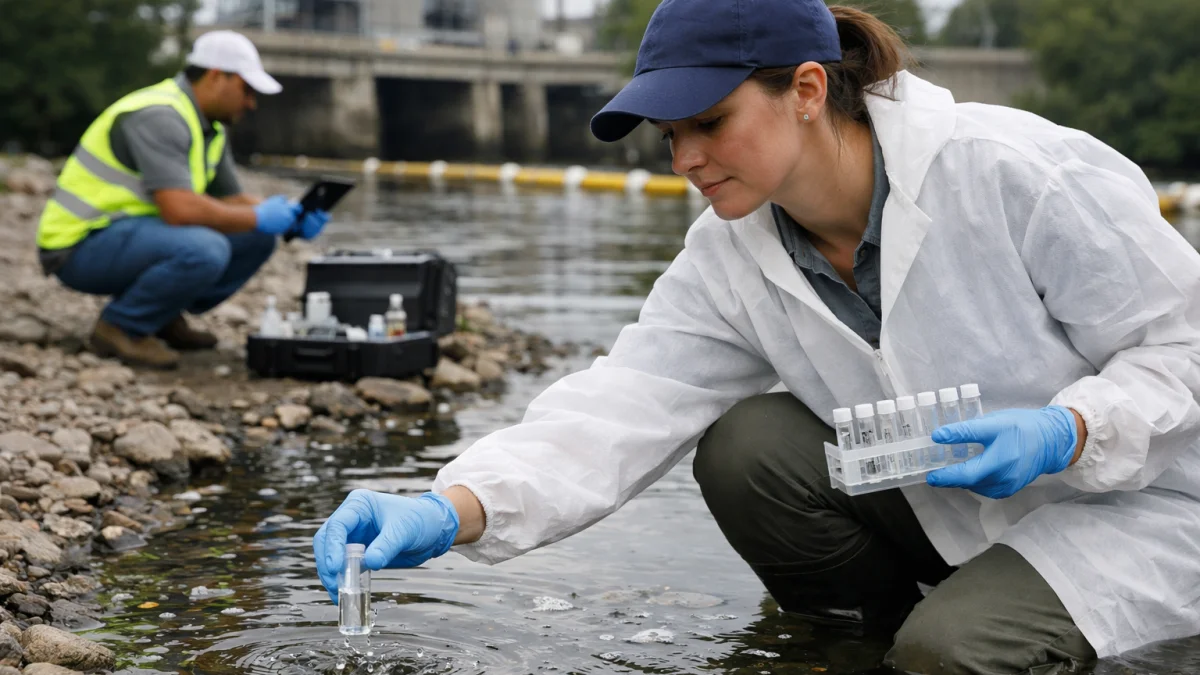
Environmental scientists and public health researchers have documented the widespread presence of microplastics in water systems globally, but standardized measurement techniques and full assessments of human health impacts remain under development. Researchers cited by the EPA have noted that the contaminant category is still in an early research phase within U.S. regulatory frameworks, and inclusion on the candidate list does not establish enforceable limits.
International water agencies and research institutions are also advancing detection technologies and mitigation approaches, including improved filtration methods and new analytical tools for identifying plastic particles in water samples, according to recent scientific studies and policy briefings.
In Indonesia, officials have outlined broader national strategies for drinking water system development and pollution management through 2026–2030 planning regulations issued by the Ministry of Public Works, which include water quality improvement goals, though specific microplastics-focused measures were not detailed in the regulatory summary.
As of late June 2026, no global binding standard for microplastics in drinking water has been established. Authorities in multiple jurisdictions said the current phase of work focuses on data collection, method standardization, and risk assessment. The EPA is expected to continue its public consultation process on its contaminant list through 2026, with finalization of the list scheduled later in the year, according to agency timelines.