

JERUSALEM—Israel's government has intensified a confrontation with the country's judiciary by maintaining that it will not comply with a Supreme Court ruling on the composition of the national broadcast regulator, deepening concerns over a constitutional crisis as the country prepares for parliamentary elections scheduled for Oct. 27.
The cabinet voted earlier this month to reject the court's decision concerning the Second Authority for Television and Radio, arguing that the ruling exceeded the judiciary's authority. Justice Minister Yariv Levin and Communications Minister Shlomo Karhi said the government would not recognize actions taken by the regulator under the court-mandated framework, describing the judgment as judicial overreach.


The move marks the first time an Israeli government has formally declared it would not abide by a Supreme Court ruling, according to legal experts and government officials, reviving a dispute over judicial powers that had sparked nationwide protests before the October 2023 Hamas attack.
President Isaac Herzog warned that refusing to implement a court ruling crossed "a red line" and threatened national unity, while Attorney General Gali Baharav-Miara said the government's position undermined the rule of law. Opposition leaders accused Prime Minister Benjamin Netanyahu's coalition of weakening democratic institutions and warned that the precedent could affect public confidence ahead of the election, allegations the government has rejected.
Government officials have argued that the dispute concerns the limits of judicial authority rather than the electoral process. They maintain that elected officials, not judges, should determine policy in areas governed by legislation and insist their actions are consistent with existing law.
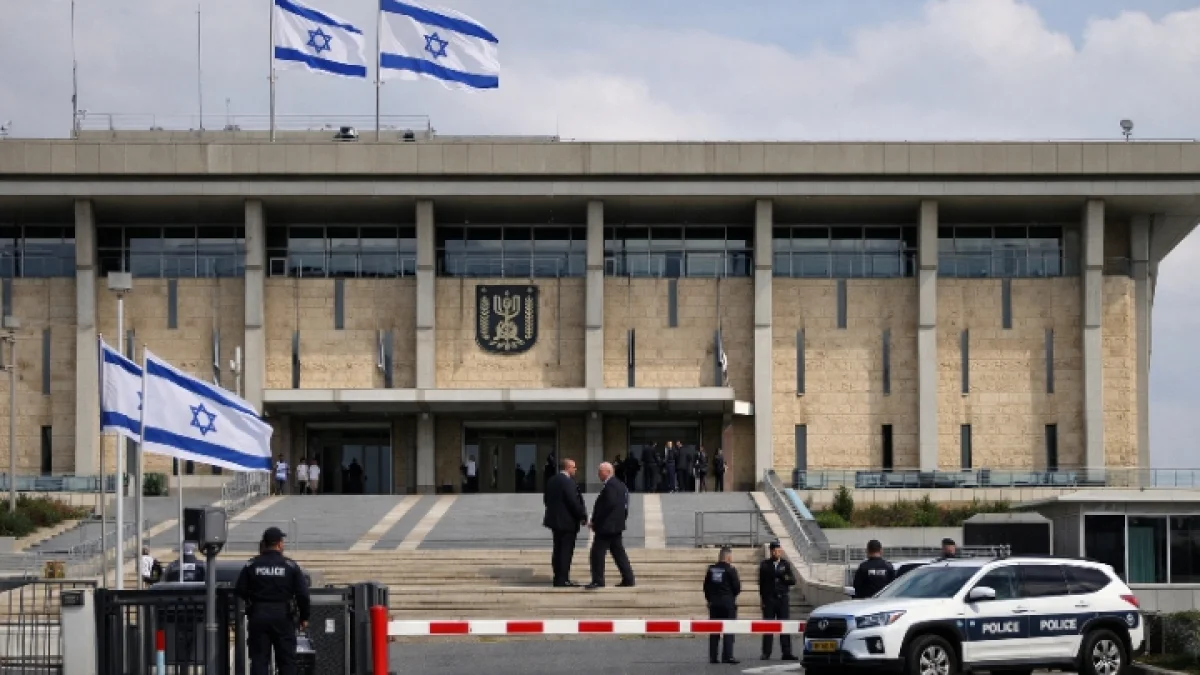
The confrontation comes after the Knesset dissolved itself on July 17, triggering elections for Oct. 27 following the completion of Netanyahu's coalition's four-year term. In its final days, parliament approved several contentious measures involving judicial and media policy, adding to criticism from opposition parties and civil society groups.
Recent opinion polls indicate a competitive race between Netanyahu's Likud party and opposition forces led by former military chief Gadi Eisenkot, although no bloc has been projected to secure a parliamentary majority outright.
No indication has emerged that the government intends to reverse its position on the Supreme Court ruling, and the legal dispute remains unresolved as election preparations continue.