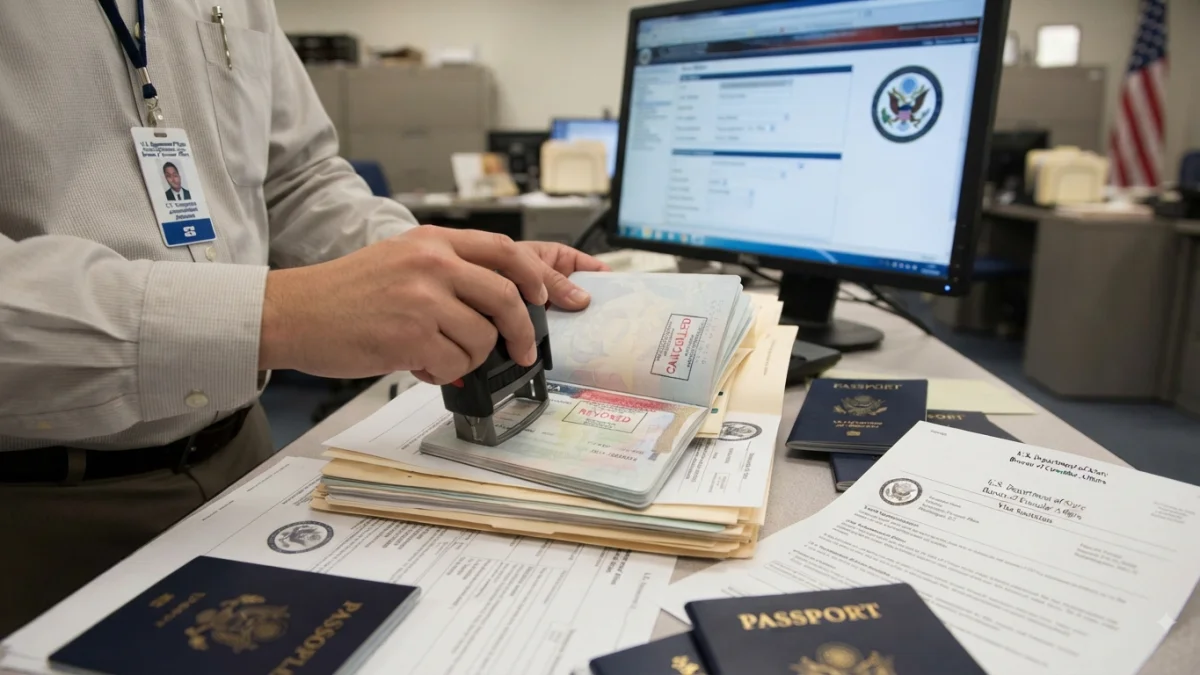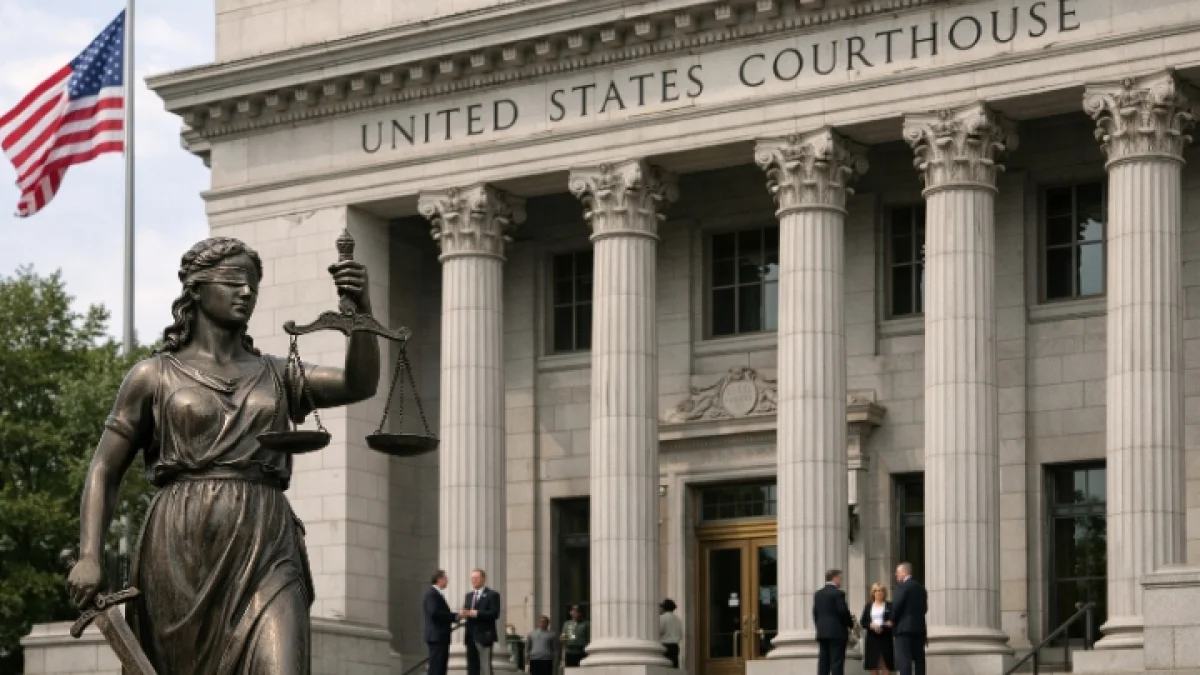


BOSTON — A federal judge has allowed key legal challenges to President Donald Trump’s executive order restricting mail-in voting to proceed ahead of the November midterm elections, rejecting arguments that the lawsuits should be delayed until after the administration completes implementation of the measure.
U.S. District Judge Indira Talwani ruled this week that Democratic-led states and voting rights organizations could continue pursuing claims against portions of the order that they argue unlawfully interfere with the administration of federal elections. According to court filings and the judge’s ruling, Talwani said the disputes were sufficiently developed for judicial review because federal agencies had already begun taking steps to carry out the order.


The executive order, signed by Trump in March, directs federal agencies to assist in verifying voter eligibility and includes measures affecting the handling and delivery of mail ballots. The administration has said the order is intended to strengthen election integrity and prevent ineligible voting. White House officials have defended the policy as a lawful exercise of executive authority.
Opponents, including a coalition of Democratic attorneys general and voting rights groups, contend that the U.S. Constitution gives states primary responsibility for administering federal elections. They argue that the order exceeds presidential authority and could interfere with access to mail voting if implemented as proposed.
“The urgency is apparent,” Talwani said during proceedings, according to court accounts, citing the potential effect of implementation efforts on upcoming elections.
The ruling marks a different outcome from an earlier case in Washington, where U.S. District Judge Carl Nichols declined to immediately block the order. Nichols concluded in May that some challenges were premature because federal agencies had not yet fully implemented the directives, though he left open the possibility of future legal action as implementation progressed.
Trump has long criticized voting by mail and has repeatedly called for tighter election procedures. The executive order forms part of a broader administration effort focused on voter eligibility verification and election administration ahead of the 2026 midterm elections.
Plaintiffs welcomed Talwani’s decision, saying it would allow courts to address constitutional questions before voting begins in many jurisdictions. Administration lawyers, meanwhile, have argued that the measures are necessary to protect election security and maintain public confidence in the electoral process.
As of Friday, the executive order remained in effect while litigation continued in federal court. No final ruling on the legality of the order has been issued, and further hearings are expected before the November elections.