BEIRUT — A U.S.-brokered framework agreement between Lebanon and Israel has triggered protests in Beirut and sharp criticism from Hezbollah and its political allies, exposing deep divisions over a deal that supporters say could open a path toward ending decades of conflict while opponents argue it compromises Lebanese sovereignty.
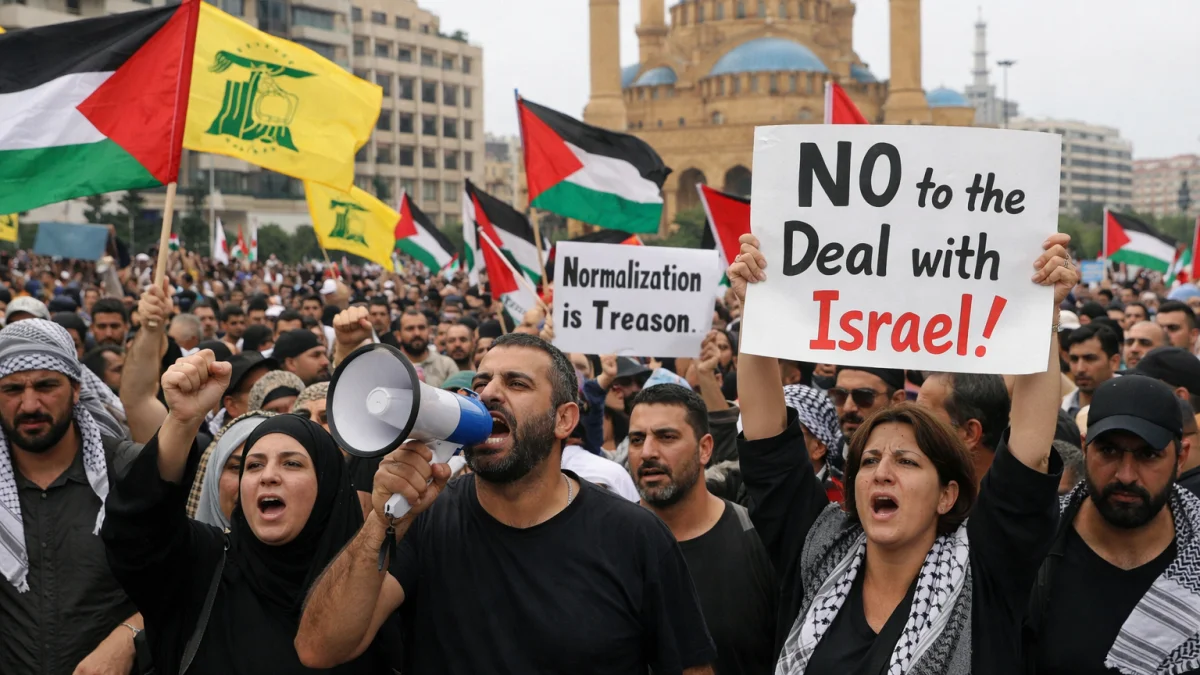
Hundreds of demonstrators gathered in parts of the Lebanese capital over the weekend, with many carrying Hezbollah flags and denouncing the agreement signed on June 26. Lebanese security forces deployed across key areas as authorities sought to prevent violence and maintain public order.
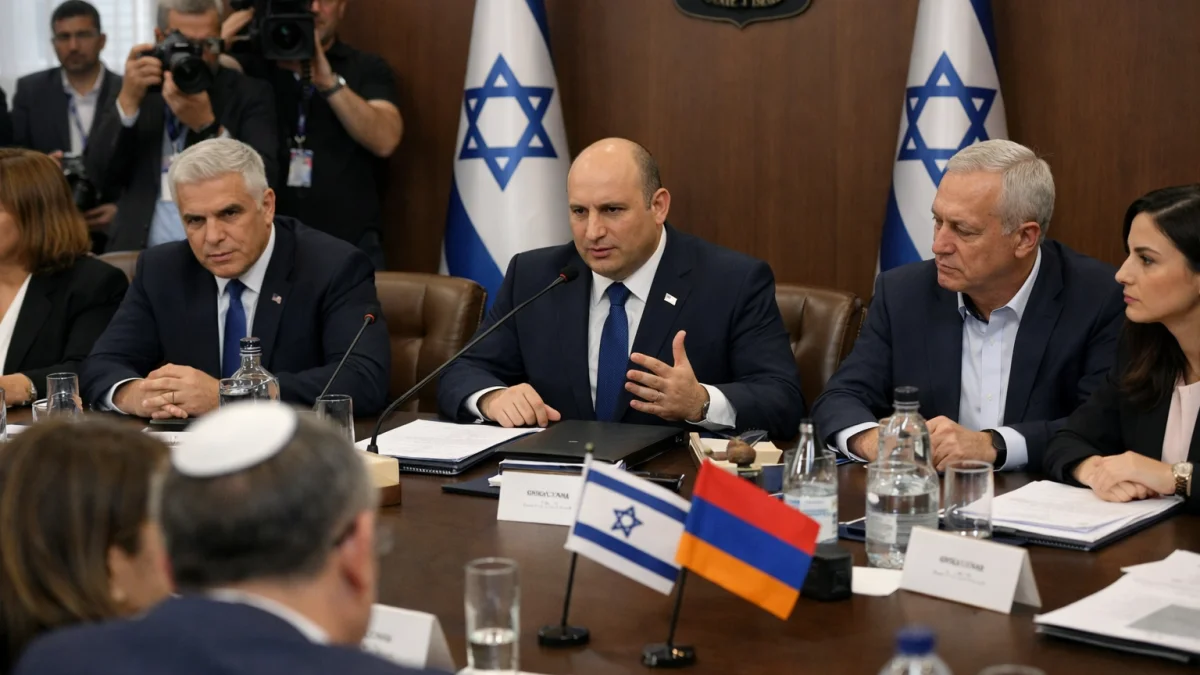
The framework, announced after direct negotiations mediated by the United States, outlines a phased process under which the Lebanese Armed Forces would assume full security authority across the country as non-state armed groups, including Hezbollah, are disarmed. Israeli forces would progressively withdraw from southern Lebanon once agreed security conditions are met, according to the published framework. A U.S.-led coordination mechanism would oversee implementation, while additional negotiations are expected to define operational details.
Lebanese President Joseph Aoun and political figures who support strengthening state institutions have presented the agreement as an opportunity to restore government authority and advance reconstruction efforts following months of conflict. The United States has also pledged support for Lebanon's economic recovery under the framework.
Hezbollah leader Naim Qassem rejected the agreement, calling it unacceptable and declaring that it surrendered Lebanese sovereignty. Parliament Speaker Nabih Berri, a Hezbollah ally, said the agreement would not be implemented in its current form, describing it as an arrangement imposed on Lebanon rather than one protecting its national interests.
Critics have focused on provisions linking a full Israeli withdrawal to Hezbollah's disarmament, as well as language they say lacks sufficient guarantees on the timing of Israel's military redeployment and accountability for wartime actions. Supporters argue the agreement represents the first realistic framework in years for reducing hostilities and restoring state control over southern Lebanon.
Despite the diplomatic breakthrough, sporadic Israeli military strikes and security incidents have continued in southern Lebanon, underscoring the fragile situation on the ground. Lebanese authorities have urged citizens to demonstrate peacefully while warning against actions that could threaten civil order.
The agreement remains subject to further implementation measures, with the United States and the parties expected to negotiate additional security arrangements as the coordination mechanism begins its work.