DOHA — The United States and Iran agreed to halt further military attacks and prepare for renewed negotiations after several days of retaliatory strikes threatened to unravel a fragile ceasefire agreement reached earlier this month, although both sides continued to dispute responsibility for the latest violence.
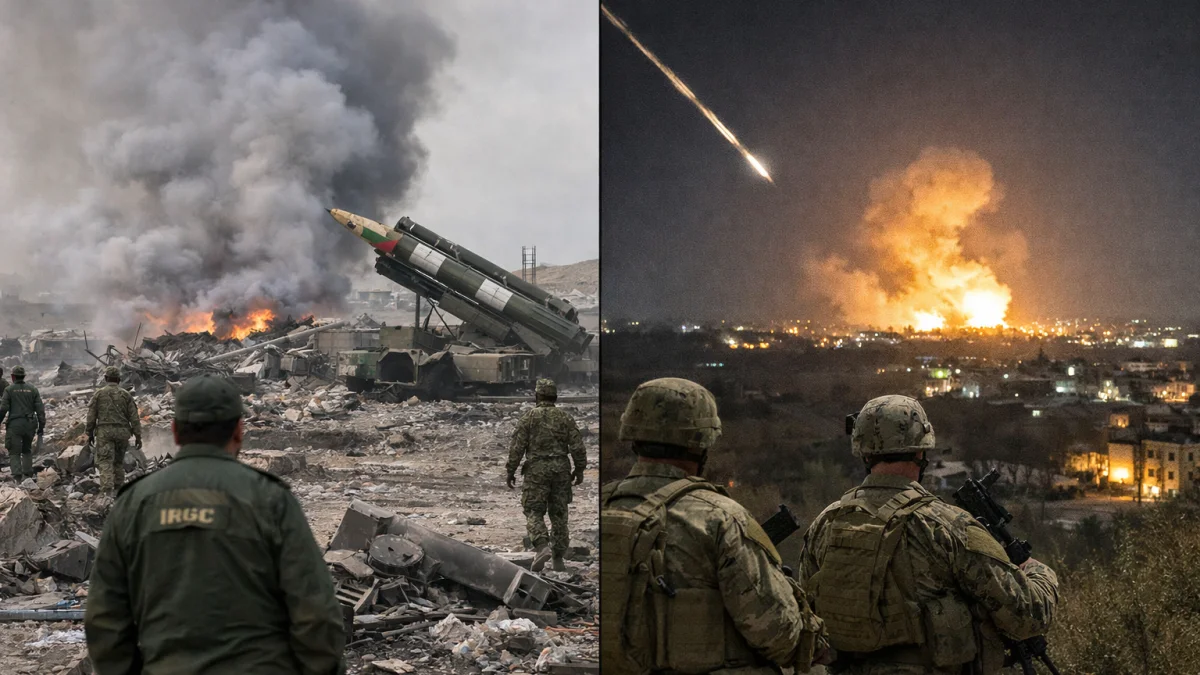
The latest escalation followed U.S. strikes on Iranian military facilities that Washington said were conducted in response to an Iranian drone attack on a commercial cargo vessel in the Strait of Hormuz. Tehran rejected the U.S. account, accusing Washington of violating the terms of the June 17 interim agreement and responding with missile and drone attacks targeting U.S. military installations in Bahrain and Kuwait.
A U.S. official said both governments had agreed to "stand down for now" and resume discussions on implementing the interim memorandum of understanding, including arrangements governing shipping through the Strait of Hormuz and broader diplomatic issues. The official said the pause in hostilities was intended to prevent further deterioration while negotiators prepared for talks in Doha.
U.S. President Donald Trump said Iran had requested a meeting in Qatar and announced that American representatives would travel to Doha for negotiations. Iranian Deputy Foreign Minister Kazem Gharibabadi, however, disputed that a meeting had been formally scheduled, underscoring continuing differences over the diplomatic process despite the apparent military pause.
The interim agreement, brokered on June 17, was designed to halt months of confrontation, reopen the Strait of Hormuz to commercial shipping and create a framework for further negotiations, including discussions related to Iran's nuclear program and sanctions relief. The waterway carries roughly one-fifth of global oil and gas shipments, making renewed instability a major concern for energy markets and regional governments.
Financial markets reflected continued uncertainty despite signs of de-escalation. Gulf stock indexes declined on Monday as investors weighed the risk that the latest exchanges could undermine the ceasefire, while oil prices fluctuated before easing as concerns over supply disruptions moderated.
Neither Washington nor Tehran indicated that the latest understandings resolved their competing claims over responsibility for the recent attacks. Both governments continued to accuse the other of breaching the ceasefire while maintaining that they remained committed to negotiations.
As of Monday, officials from both sides were preparing for technical discussions in Doha, although Iranian authorities had not publicly confirmed the timetable announced by the White House, leaving the diplomatic process subject to further uncertainty.