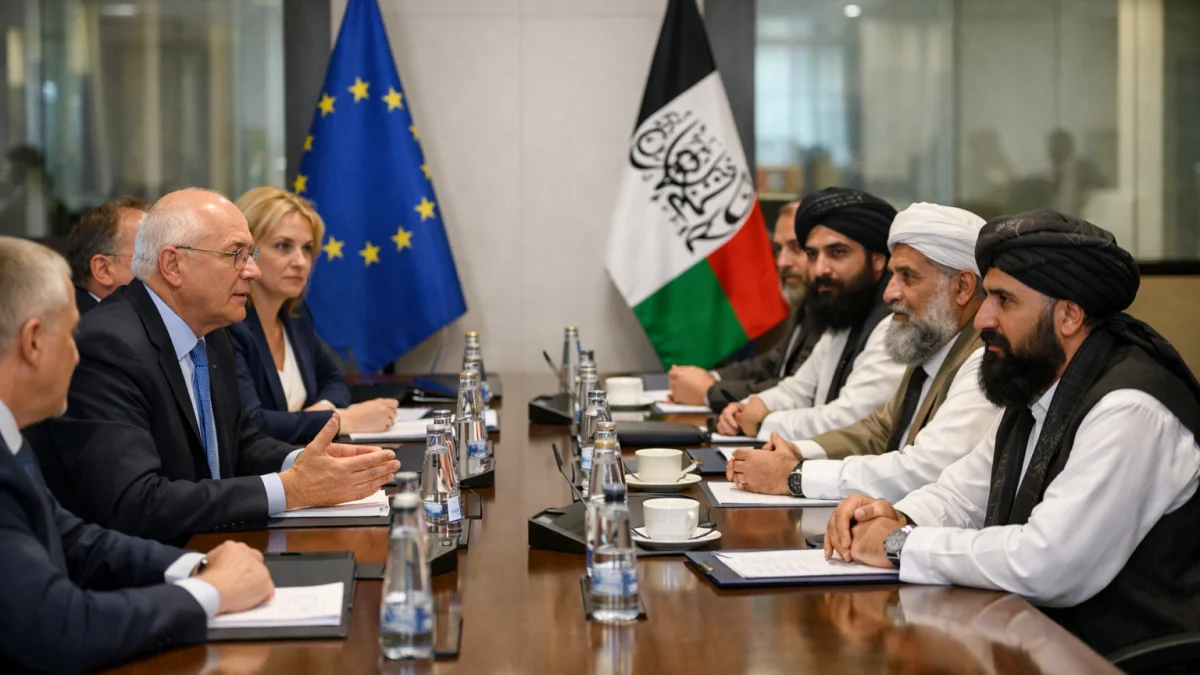


BRUSSELS — European Union officials held talks with a Taliban delegation in Brussels on Tuesday to discuss the return of Afghan nationals who do not have legal status in EU countries, marking the first time Taliban representatives have been hosted by EU institutions in the Belgian capital since the group returned to power in Afghanistan in 2021, officials said.
The closed-door meeting brought together representatives of the European Commission, officials from several EU member states and a delegation from Afghanistan led by Foreign Ministry spokesperson Abdul Qahar Balkhi, according to Taliban and EU officials. The discussions focused on deportation and readmission procedures for Afghans whose asylum claims have been rejected, particularly individuals considered security risks or convicted of serious crimes, officials said.


The European Commission said the talks were technical in nature and did not constitute recognition of the Taliban government. EU member states and the bloc itself have not formally recognized the Taliban administration since it took control of Afghanistan.
Belgium issued limited one-day visas to members of the Taliban delegation to allow them to attend the meeting, Belgian authorities said. The visas were restricted to Belgian territory and did not permit travel elsewhere in the Schengen area.
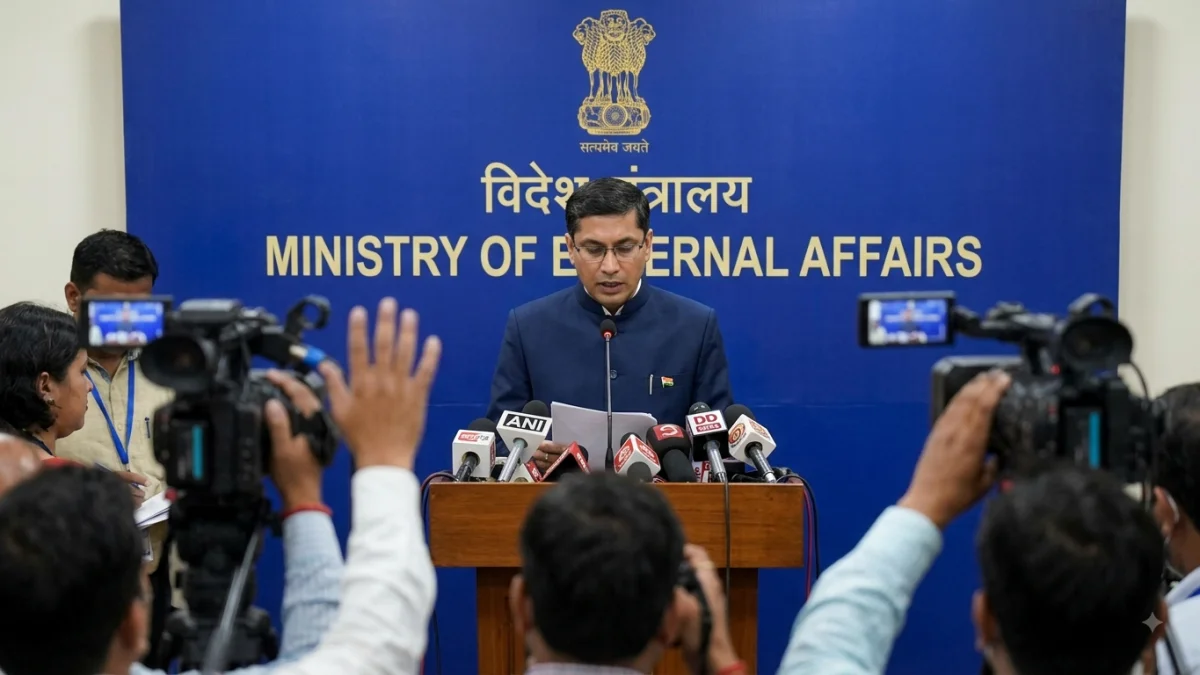
According to Afghanistan’s Foreign Ministry, the agenda also included discussions on consular issues and services for Afghans living abroad. Taliban spokesperson Balkhi said the delegation sought to establish channels of communication with European authorities and ensure that any returns of Afghan nationals would be carried out in a “dignified” manner.
The meeting drew criticism from human rights organizations and some European lawmakers, who argued that engagement with the Taliban could lend legitimacy to a government that has faced international condemnation over restrictions on women and girls. Nobel Peace Prize laureate Malala Yousafzai was among those criticizing the talks, according to rights advocates and media reports.
EU officials defended the discussions as necessary to address migration and deportation issues involving Afghan nationals in Europe. A European Commission spokesperson said ahead of the meeting that the focus of participating countries was the return of people who “have committed serious crimes or who pose a security threat.”
As of Tuesday evening, neither side announced a formal agreement, and details of any follow-up measures remained unclear. EU and Taliban officials said contacts could continue at a technical level.