

NEW DELHI — India’s lower house of parliament on Thursday passed the Bankers’ Books Evidence Bill, 2026, legislation that replaces a colonial-era law and updates the legal framework governing the admissibility of banking records by recognizing digital records as evidence in court.
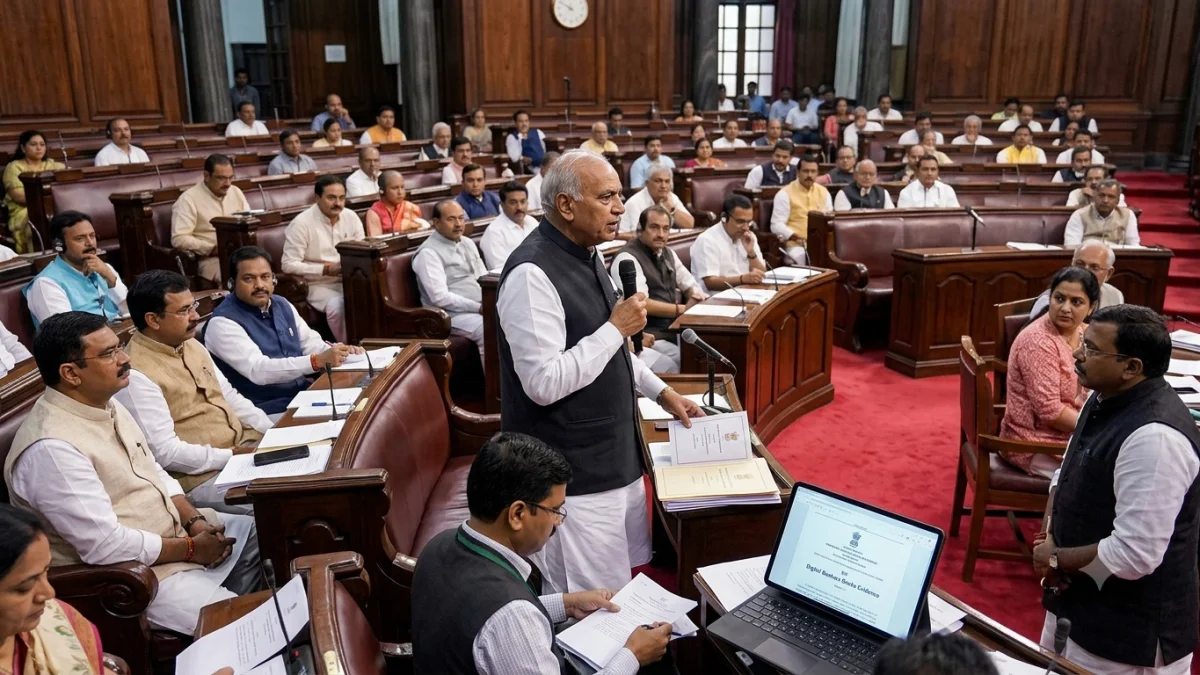
The Lok Sabha approved the bill by voice vote amid disruptions from opposition lawmakers, with no substantive debate taking place before its passage, according to parliamentary proceedings and media reports.


The legislation replaces the Bankers’ Books Evidence Act of 1891, which was enacted when banking records were maintained primarily in physical ledgers. The new law is intended to reflect the widespread adoption of electronic record-keeping, digital banking systems and cloud-based data storage across India’s financial sector.
Finance Minister Nirmala Sitharaman introduced the bill in the Lok Sabha earlier in the week, saying the existing legal framework had become outdated because of technological advances in banking operations. The government has said the measure is designed to provide legal clarity for the use of certified digital banking records in judicial and other legal proceedings while reducing reliance on physical documents.
According to the government’s proposal, the legislation modernizes evidentiary provisions to accommodate electronic records maintained by banks, including records stored digitally, while preserving the principle that certified records may be produced in legal proceedings instead of original books where permitted by law.
The bill was passed during a parliamentary session marked by repeated protests and sloganeering by opposition members on unrelated issues. Parliamentary reports indicated that the chair appealed for discussion, but the legislation ultimately proceeded without debate as disruptions continued.
The reform is part of a broader government effort to update financial and commercial laws to reflect the increasing digitization of India's economy and banking system. Officials have said the revised framework is intended to align evidentiary rules with current banking practices rather than alter substantive rights in legal proceedings.
With approval in the Lok Sabha, the bill will proceed through the remaining stages of the legislative process before it can become law, including consideration by the Rajya Sabha and, if passed by both houses, presidential assent.