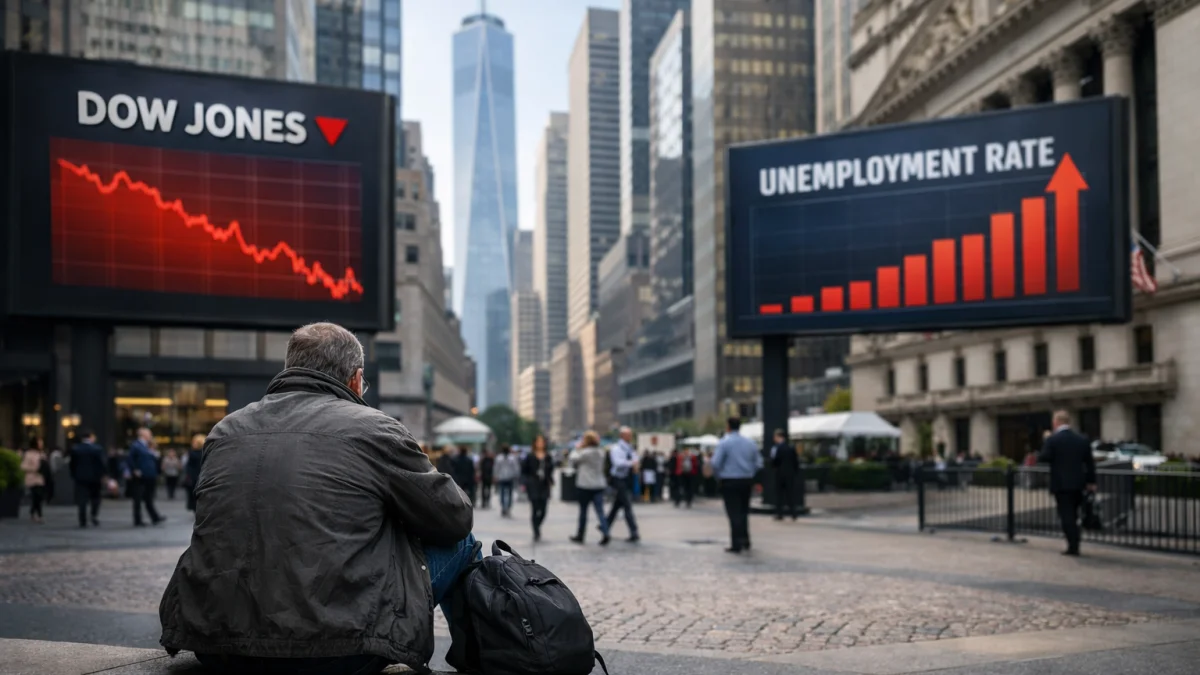


WASHINGTON — The number of long-term unemployed Americans rose sharply over the past year even as the overall unemployment rate held steady, according to the latest government data.
The U.S. Bureau of Labor Statistics reported that about 2.0 million people had been jobless for 27 weeks or longer in May 2026, little changed from the prior month but up by 524,000 from a year earlier. They accounted for 27.5 percent of all unemployed people.


The overall unemployment rate remained at 4.3 percent in May, with total unemployed at 7.31 million. Economists and labor market analysts have pointed to broader economic shifts, including moderating job growth and sectoral changes, as factors contributing to longer durations of unemployment.
Long-term unemployment has increased by more than 45 percent from 2019 levels and about 55 percent from 2023, according to analyses of BLS data. The share of long-term jobless in total unemployment has risen notably, a trend often associated with slower re-employment as skills may erode and employer preferences shift.
The May jobs report showed nonfarm payroll employment gains continuing, though at a moderated pace in recent months compared with earlier periods. Sectors such as health care have added jobs, while others have seen slower growth or declines.
"Long-term unemployment is quietly rising," one analysis of the May data noted, highlighting that more than half a million additional Americans have now been out of work for six months or longer compared with the previous year.
Federal Reserve officials and labor economists monitor such trends closely as indicators of labor market health. The median duration of unemployment stood around 11.6 weeks in recent data. Broader measures, including the U-6 rate which captures underemployed and discouraged workers, edged down slightly to 8.1 percent in May.
The rise occurs amid other economic shifts, including stable but cooling job openings and occasional upticks in initial jobless claims. Business groups have cited factors such as skills mismatches and economic uncertainty as contributing elements, while worker advocates emphasize the need for targeted re-employment support.
As of Thursday, the BLS is scheduled to release June data in early July. Officials continue to track developments, with no major policy announcements tied directly to the long-term unemployment figures immediately available. Affected workers and local employment agencies are encouraged to utilize federal and state re-training and job placement resources.