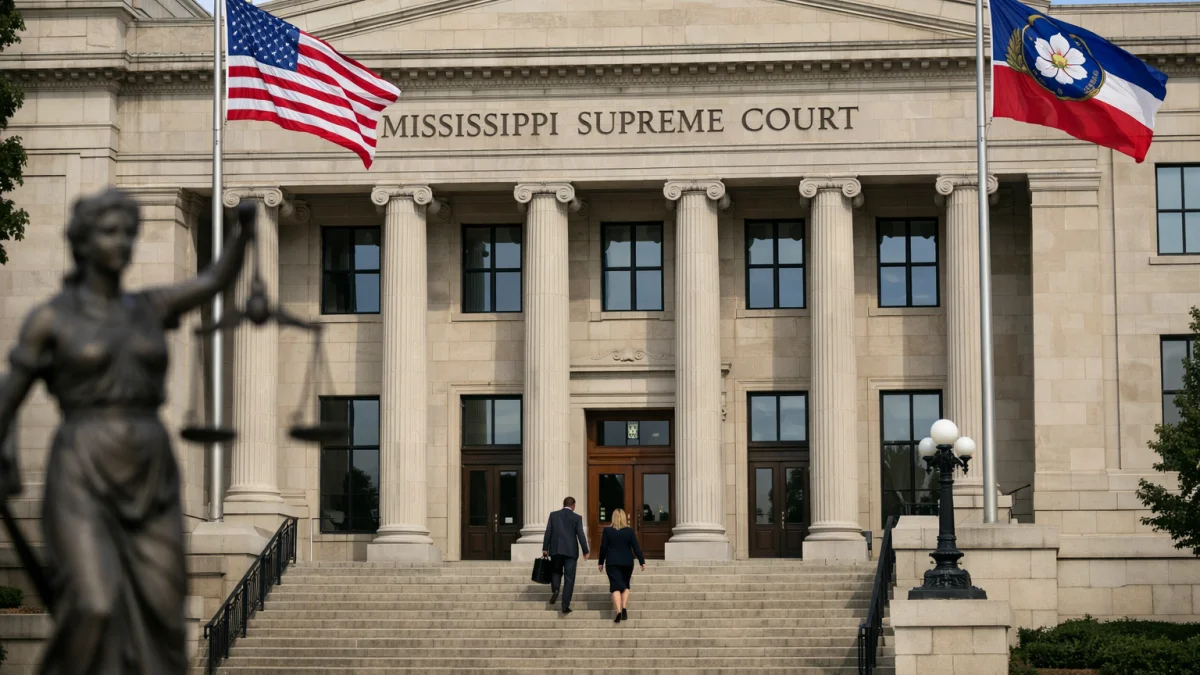


ABERDEEN, MISSISSIPPI — A federal judge in Mississippi has disqualified four attorneys from a contract dispute after finding that lawyers on both sides repeatedly submitted court filings containing erroneous legal citations generated through artificial intelligence tools, according to a court order issued this month.
U.S. District Judge Sharion Aycock of the Northern District of Mississippi ruled that attorneys representing both plaintiff Tom Withers III and the City of Aberdeen relied on AI-generated legal research without adequately verifying the authorities cited in their filings. The judge concluded that the conduct warranted sanctions and removal of all counsel from the case.


The litigation stems from a contractual fee dispute involving Withers and the city. According to the court’s findings, briefs submitted by both sides contained fabricated case citations and inaccurate quotations that were later traced to the use of generative AI tools. Attorneys involved in the matter acknowledged the errors and told the court they had relied on AI-generated research that was not independently verified before filing.
In her order, Aycock wrote that the case presented “an unusual scenario” in which attorneys for both parties engaged in comparable misconduct. She also stated that the court was “yet again burdened with addressing AI hallucinations in court filings,” referring to the technology’s tendency to generate false information that appears authoritative.
The judge imposed financial penalties on the attorneys and barred two out-of-state lawyers from practicing before the Northern District of Mississippi for two years. Two local counsel were also removed from the case and fined, according to the ruling. The court said copies of the order would be forwarded to relevant disciplinary authorities.
Aycock emphasized that lawyers remain responsible for the accuracy of court submissions regardless of whether AI tools are used during legal research or drafting. The ruling stated that reliance on AI-generated output without verification supported a finding of bad faith conduct.
The decision comes amid increasing scrutiny of AI use in the legal profession, with courts across the United States addressing cases involving fabricated citations and other AI-related filing errors. Recent disciplinary actions in other jurisdictions have similarly focused on attorneys’ obligations to verify AI-generated content before submitting documents to courts.
As of Tuesday, the attorneys remained disqualified from the case, and replacement counsel had not been publicly identified. Further proceedings in the dispute are expected to continue under new legal representation, according to court records.