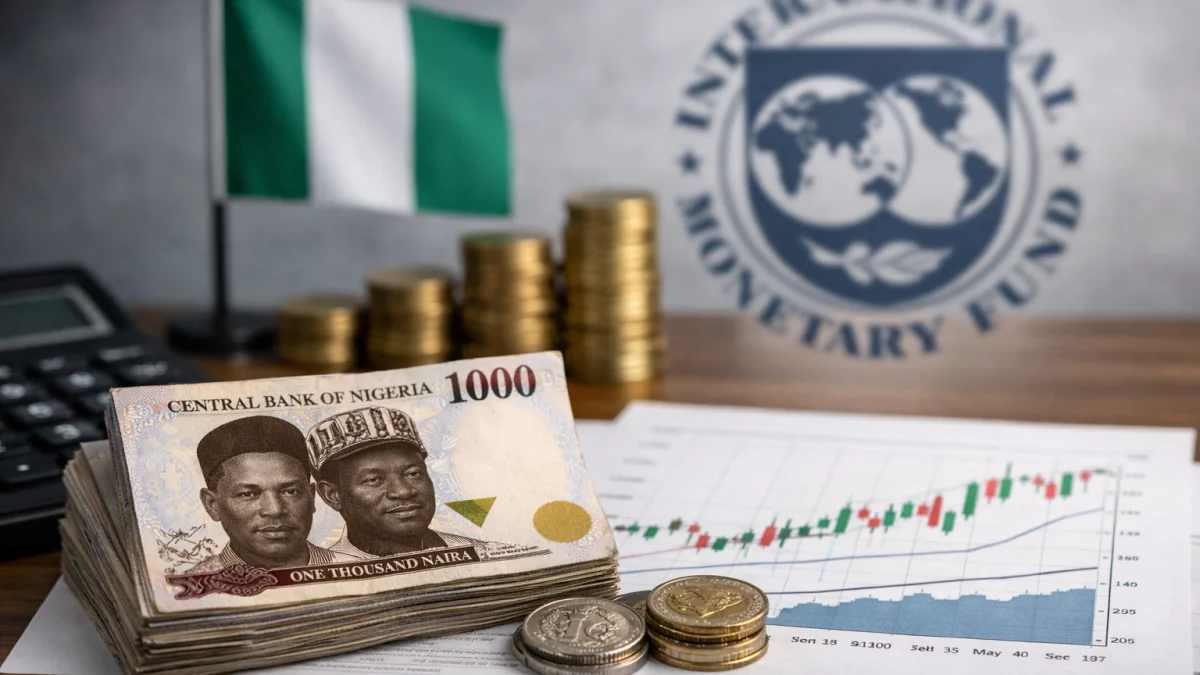


ABUJA — Nigeria’s naira held relatively steady in recent trading amid the International Monetary Fund’s latest recommendations for continued fiscal reforms, following the Fund’s positive assessment of the country’s macroeconomic stabilization efforts, officials and market data indicated.
The IMF Executive Board concluded its 2026 Article IV consultation with Nigeria on June 9, commending reforms under President Bola Tinubu, including fuel subsidy removal, foreign exchange liberalization and strengthened fiscal discipline. These measures have contributed to improved external buffers and reduced market distortions, according to the IMF.


The naira has shown signs of stability in both official and parallel markets, with the premium between them narrowing significantly. Central Bank of Nigeria interventions and higher oil revenues have supported the currency, though it continues to face pressures from inflation and import demand.
The IMF called for a neutral fiscal stance in 2026 to support disinflation while protecting priority social spending. Directors welcomed recent tax reforms and urged additional measures over the medium term, including to fund expanded cash transfer programs for vulnerable households.
Finance Minister Taiwo Oyedele noted the government’s welcome of the IMF’s overall positive assessment. “The report provides further independent validation that the bold and necessary reforms... are strengthening macroeconomic stability,” he said in a statement.
Challenges remain, with the IMF highlighting persistent poverty, food insecurity affecting millions and the need to address off-budget spending and improve public financial management. The Fund projected medium-term growth above 4 percent, supported by ongoing reforms and non-oil revenue mobilization.
The Central Bank has maintained tight monetary policy to anchor inflation expectations, while the government has focused on revenue reforms and expenditure efficiency. Market analysts have pointed to improved foreign exchange liquidity as a key factor in recent naira resilience.
Nigeria’s external reserves have strengthened, reaching levels that provide a buffer against shocks. Implementation of fiscal recommendations will form part of broader efforts to sustain stability as the country navigates global commodity price fluctuations.
No major shifts in naira trading ranges were reported immediately following the IMF release. Further policy announcements from Nigerian authorities and continued engagement with international partners are expected in the coming weeks as the 2026 budget implementation advances.