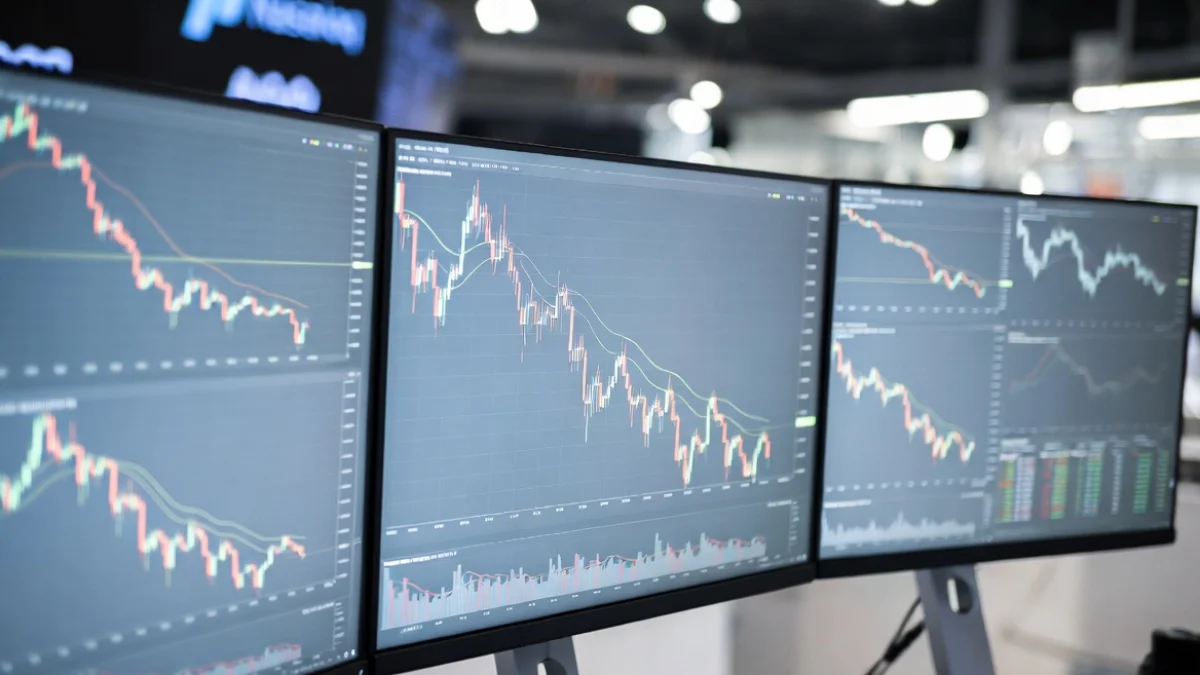


NEW YORK — The Nasdaq Composite plunged nearly 1 percent on Tuesday amid a renewed selloff in technology stocks, as investors navigated profit-taking and awaited key inflation data.
Major U.S. stock indexes showed mixed performance, with the tech-heavy Nasdaq bearing the brunt of selling pressure. According to preliminary data from market operators, the Nasdaq fell about 254 points, or 0.98 percent, to close at 25,675.19. The S&P 500 also declined modestly, while the Dow Jones Industrial Average posted a slight gain.


The decline in technology shares followed a sharp drop in semiconductor and AI-related stocks in recent sessions. Market participants cited profit-taking after a strong run in chip stocks, as well as positioning ahead of the U.S. consumer price index report for May, scheduled for release on Wednesday.
Semiconductor stocks remained under pressure, with the sector experiencing volatility after recent gains. Broadcom's earlier forecast had contributed to concerns about valuations in the technology sector, analysts reported. Investors also monitored developments related to upcoming initial public offerings, including SpaceX, which could influence capital flows in high-growth areas.
"Markets are focused on whether inflation is reaccelerating and what that means for monetary policy," one market strategist said in a note cited by financial media outlets.
Geopolitical developments added to market caution. President Donald Trump stated that the U.S. must respond after Iran shot down a U.S. Apache helicopter, according to his social media post reported by Reuters. This contributed to fluctuations during the session.
Trading volumes were elevated in technology names. Some stocks saw intraday swings as a rebound in chips faded during the afternoon. The selloff came after the Nasdaq had experienced its steepest single-day decline since April 2025 in a prior session, driven largely by rotation out of AI-linked investments.
Economists expect the upcoming inflation data to show headline consumer prices rising to around 4.2 percent annually, influenced by higher energy costs amid regional tensions. Core inflation figures, excluding volatile food and energy components, are anticipated to provide further insight into underlying price pressures.
Bond yields and the U.S. dollar showed movements consistent with investor caution ahead of the Federal Reserve's upcoming policy considerations. Details on the full extent of sector rotations remained fluid as trading continued.
As of late Tuesday, broader market sentiment reflected a balance between profit-taking in overextended areas and ongoing interest in technology fundamentals. Full results from the inflation report and their impact on trading will become clearer in subsequent sessions, officials and analysts noted. Market participants said they would continue to monitor corporate earnings and geopolitical developments for further direction.