

BIRMINGHAM, Ala. — U.S. universities are stepping up efforts to recruit more men into nursing as healthcare providers confront persistent workforce shortages and seek to broaden the pipeline of future nurses in a profession where men remain significantly underrepresented.
Nursing schools across the country have expanded outreach campaigns, increased the visibility of male students and faculty, and partnered with hospitals to challenge long-standing stereotypes that have discouraged men from entering the field, according to university officials and nursing educators. The initiatives come as demand for registered nurses continues to outpace supply in many parts of the United States.


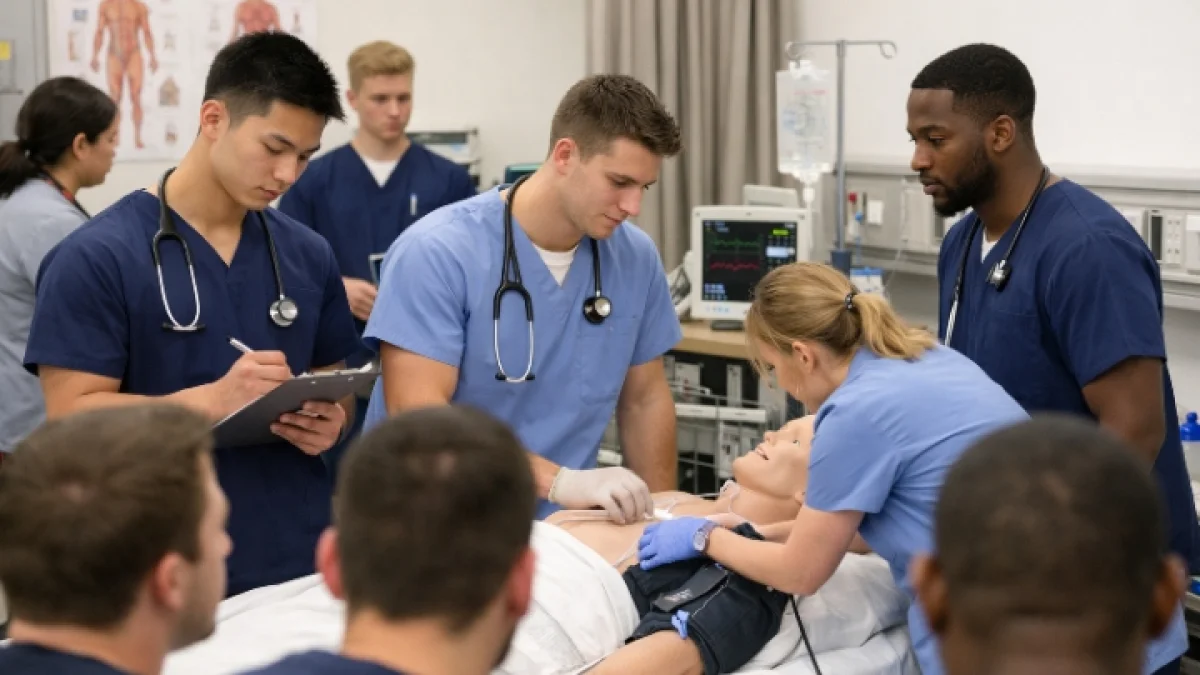
At the University of Alabama at Birmingham, men account for nearly one in six nursing students, above the national average, after years of targeted recruitment that includes featuring male nurses in promotional materials, sending male and female nurses to speak with prospective students, and supporting workplace networks for men in nursing. Faculty members say those efforts have helped normalize nursing as a career choice for men.
The push comes as federal labor projections indicate strong long-term demand for registered nurses, with roughly 189,000 to 200,000 job openings expected annually over the coming decade through new positions and replacement needs, according to the U.S. Bureau of Labor Statistics, as cited by nursing educators. Meanwhile, the American Association of Colleges of Nursing's workforce survey shows men represent only about one in 10 to one in eight nurses nationally, depending on the dataset and reporting period.
Educators say recruiting more men alone will not resolve staffing shortages. Nursing schools continue to face faculty shortages that limit enrollment capacity, with tens of thousands of qualified applicants turned away because institutions lack enough instructors, classroom space, and clinical placements. Universities and professional organizations have urged additional investment in nursing education alongside broader recruitment efforts.
Healthcare leaders also say increasing gender diversity can strengthen the profession by expanding the available workforce and providing patients with a broader range of caregivers. While men have become more visible in specialties such as emergency care, intensive care and anesthesia, educators say misconceptions about nursing as a predominantly female occupation continue to influence career decisions.
Universities say they will continue outreach programs aimed at high school and college students as healthcare systems seek to address staffing needs while meeting growing demand for medical care from an aging U.S. population.