

HOUSTON — Oil markets remained volatile on Friday as shipping disruptions in the Middle East continued to affect tanker movements through the Strait of Hormuz, although some crude exports resumed, easing immediate concerns over global supply, according to shipping data, market participants and government officials.
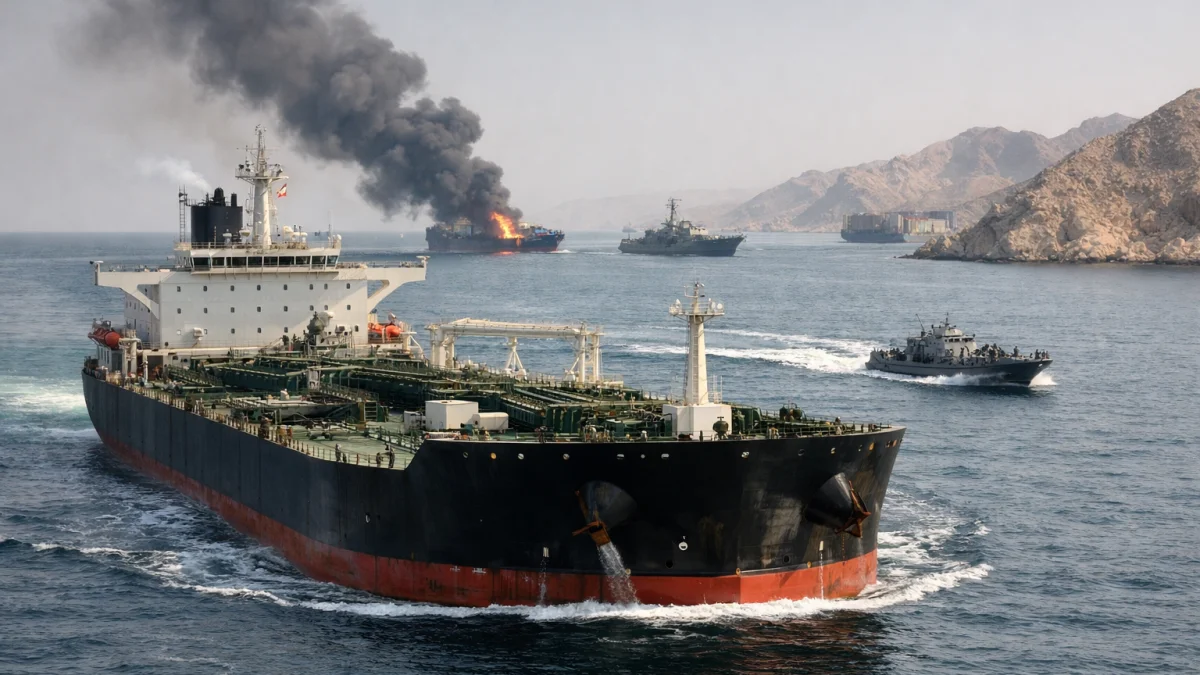
Benchmark crude prices fluctuated during the week as traders weighed reports of slower vessel traffic against evidence that oil shipments from Gulf producers were continuing. Reuters reported that tanker movements through the Strait of Hormuz slowed after a Taiwanese-operated vessel was attacked near Oman on Thursday, prompting the United Nations to suspend its voluntary evacuation scheme for ships operating in the Gulf while authorities assessed the security situation.


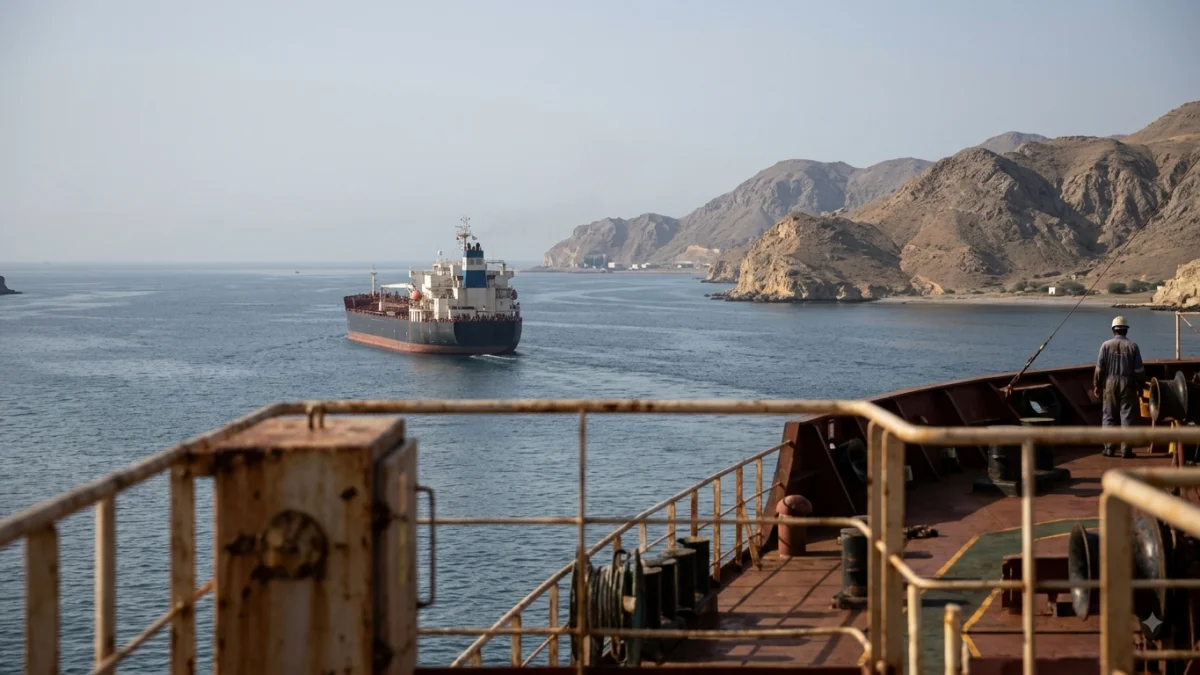
Maritime tracking data indicated that several crude tankers nevertheless entered the Gulf for loading, while others departed through the strategic waterway carrying oil cargoes. Saudi Arabia resumed crude loadings from its Ras Tanura export terminal, according to Reuters, suggesting that producers were attempting to maintain exports despite heightened security concerns.
"There is a growing sense that oil is going to keep moving through the Strait of Hormuz," Phil Flynn, a senior analyst at Price Futures Group, told Reuters, reflecting expectations among some traders that physical supplies would continue despite periodic disruptions.
Iran said safe passage through the Strait required coordination with Tehran, according to Reuters. The comments followed the escalation in maritime security incidents near the entrance to the Gulf. Officials have not publicly detailed the full circumstances surrounding the attack on the cargo vessel, and some operational details remain unclear.
The Strait of Hormuz is one of the world's most important energy shipping routes, carrying a significant share of internationally traded crude oil. Disruptions to traffic through the waterway have repeatedly affected oil prices, freight costs and shipping schedules during periods of regional tension.
Oil futures experienced sharp swings throughout the week. Prices initially rose after reports of the vessel attack renewed concerns about supply risks, before retreating as additional tankers transited the Strait and traders assessed improving export flows from Gulf producers. Reuters reported that Brent crude settled lower on Friday, while U.S. West Texas Intermediate also declined, extending weekly losses despite continued geopolitical uncertainty.
As of Friday, shipping activity through the Strait had not fully returned to earlier levels, according to maritime tracking data cited by Reuters. Industry participants continued to monitor vessel movements and security conditions, while governments and shipping companies maintained heightened vigilance as operations in the region continued.