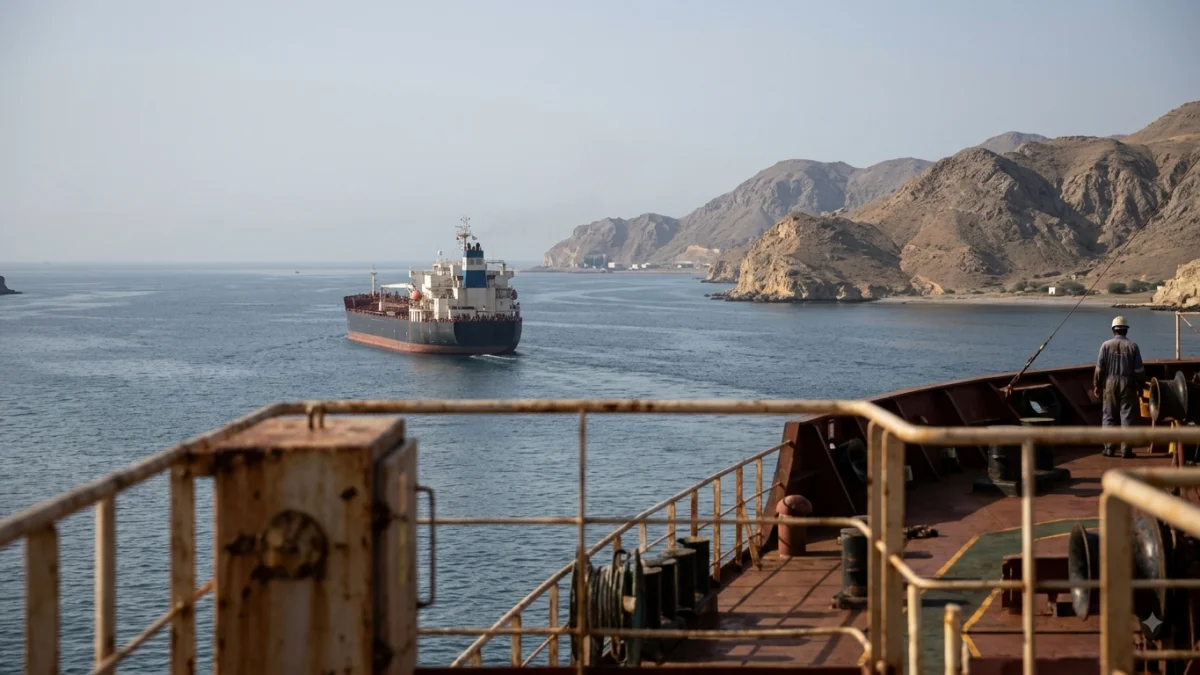


BEIJING — Oil prices rose on Wednesday as hopes for a U.S.-Iran agreement to ease the conflict and reopen the Strait of Hormuz weakened, while attacks on shipping heightened concerns about further disruptions to Middle East supplies.
Brent crude futures gained 72 cents, or 0.81%, to $89.63 a barrel by 0053 GMT, while U.S. West Texas Intermediate crude rose 71 cents, or 0.85%, to $83.91. Both benchmarks settled more than $1 higher on Tuesday, reaching their highest closing levels since July 31, after rising about 5% on Monday as expectations for a peace deal began to fade.


The latest gains followed reports of separate attacks on shipping in the Strait of Hormuz and the Bab el-Mandeb Strait by the United States and Yemen's Iran-aligned Houthi forces.
Iran's top security official, Mohsen Rezaei, said on Tuesday that the Strait of Hormuz would remain closed unless the United States accepted Iran's conditions for ending the war, including the release of frozen Iranian assets and an end to other regional conflicts.
The comments added to uncertainty over efforts to secure an agreement that would restore commercial shipping through the strategic waterway. Shipping data showed that only six vessels passed through the Strait of Hormuz on Monday, compared with a 10-day average of about 11. Before the war, daily traffic averaged between 125 and 140 vessels.
The strait is a major energy route, with about one-fifth of global oil supply passing through it before the conflict began.
Oil prices were also supported by expectations that supply disruptions in the region could persist. The U.S. Energy Information Administration said it expected disruptions of about 600,000 barrels per day to Middle East crude supplies to continue through the end of 2027.
However, signs of increased U.S. crude inventories provided some counterweight to the market's supply concerns. Market sources citing American Petroleum Institute data said U.S. crude stocks rose by about 9.1 million barrels in the week ended Aug. 7, while gasoline inventories fell by 1.5 million barrels and distillate stocks declined by 596,000 barrels.
The larger-than-expected crude build could ease concerns about tight supplies if confirmed by official government data. The U.S. Energy Information Administration was scheduled to release its weekly inventory figures later on Wednesday.
For now, traders remained focused on developments around the Strait of Hormuz and the prospects for renewed U.S.-Iran negotiations, with both factors continuing to drive volatility in global oil markets.