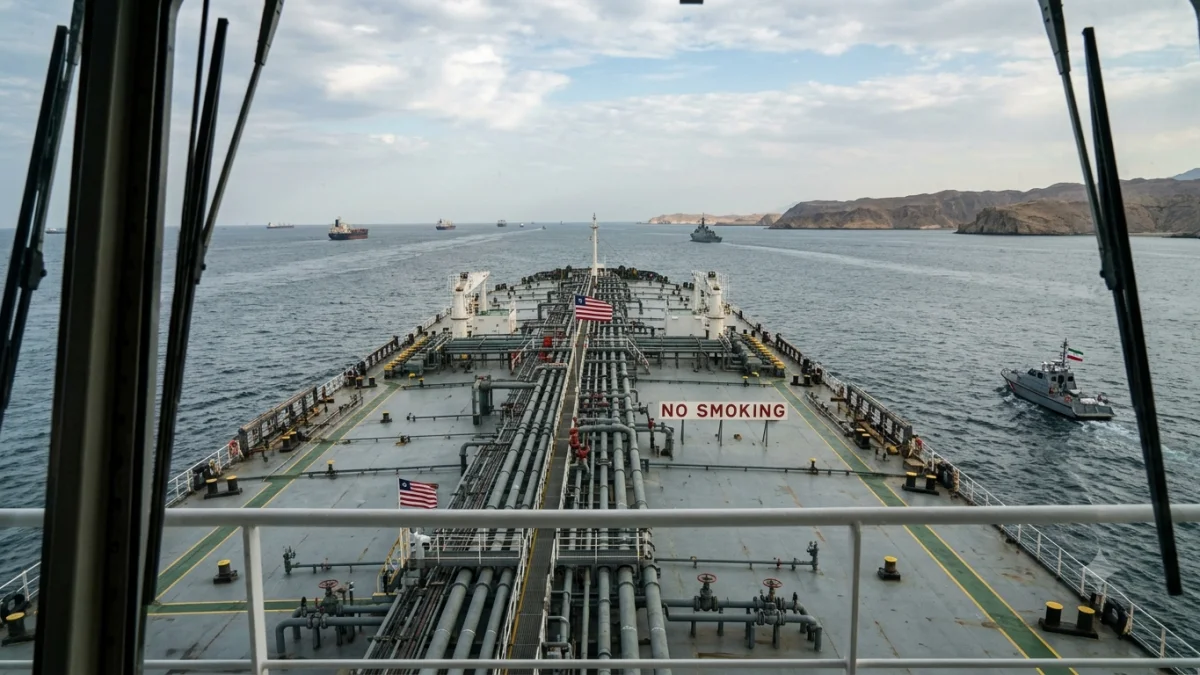


NEW YORK — Oil prices rose on Friday as investors weighed uncertainty surrounding proposals affecting shipping through the Strait of Hormuz, with concerns over potential disruptions to one of the world's busiest energy transit routes supporting crude despite signs of diplomatic engagement in the Gulf.
Brent crude futures and U.S. West Texas Intermediate crude both advanced during the session after volatile trading this week, as market participants assessed reports of discussions involving Iran and Gulf states on a framework that could allow commercial traffic to resume under new conditions. The gains followed sharp swings driven by concerns over possible restrictions on vessel movements through the strategic waterway.


The Strait of Hormuz carries roughly one-fifth of global oil consumption, making any threat to shipping a significant concern for energy markets.
According to Reuters, Iran has proposed charging transit fees for tankers using the strait as part of a temporary arrangement under discussion with regional partners. Oman has reportedly suggested a lower fee, while the United States opposes such charges. Analysts cautioned that the proposals face substantial political, legal and logistical obstacles, including existing sanctions and insurance issues affecting international shipping.
Market analysts said traders continued to price in a geopolitical risk premium because the outlook for any agreement remained uncertain.
"The market is responding to uncertainty over whether normal shipping can be restored and under what conditions," analysts said, noting that even if negotiations progress, implementation could take time because of commercial and regulatory challenges.
The latest developments follow heightened tensions in the region after Iran advanced plans that would impose new restrictions on vessels it considers hostile, prompting renewed fears over the uninterrupted flow of crude exports from Gulf producers. Those concerns helped lift oil prices earlier in the week before hopes of diplomatic progress trimmed some gains.
Broader security concerns also remained in focus. Saudi Arabia has warned of potential attacks by Iran-backed groups, while regional military coordination has increased. Separately, attacks affecting energy infrastructure and shipping elsewhere have underscored the vulnerability of global supply chains, adding to uncertainty in oil markets.
Despite Friday's gains, analysts said crude prices remained sensitive to headlines from the Middle East, with investors closely monitoring official statements from governments involved in the negotiations and any confirmation of changes to shipping arrangements through the Strait of Hormuz.