

LONDON — Oil prices rose on Friday amid renewed uncertainty over shipping disruptions in the Strait of Hormuz, as tensions between the United States and Iran persisted following months of conflict in the region, traders and analysts said.
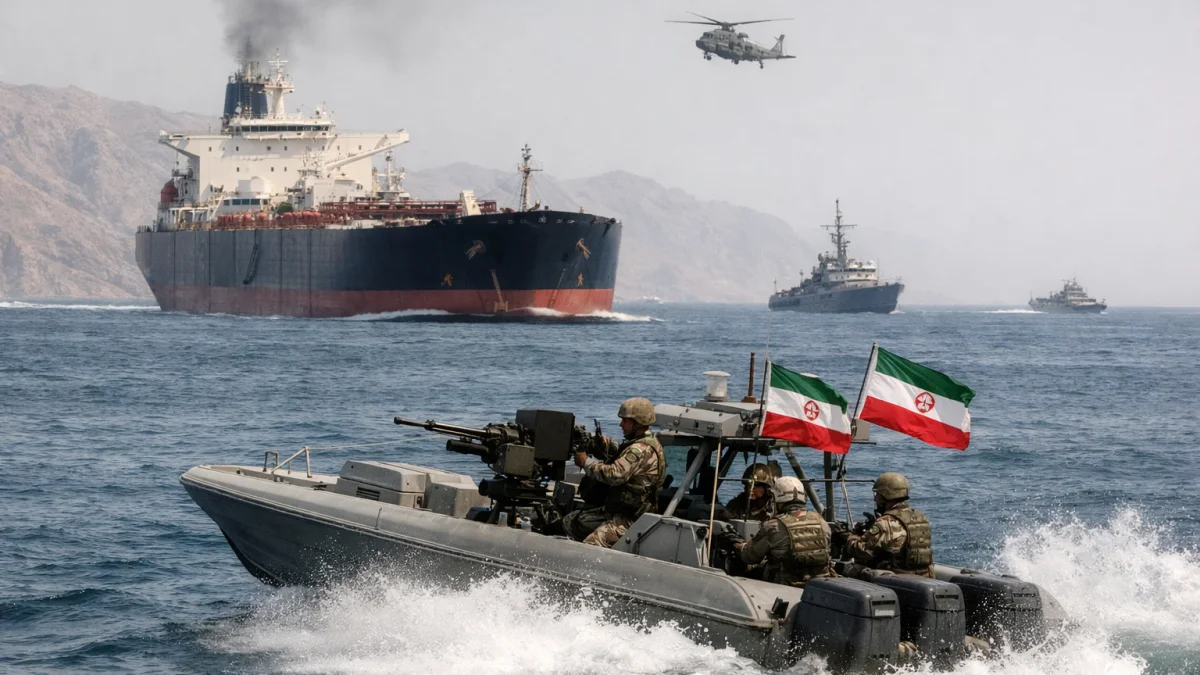
Brent crude futures gained about 1-2% in early trading, while West Texas Intermediate also advanced, reflecting market concerns over limited oil flows through the strategic waterway. The Strait of Hormuz, which normally carries around one-fifth of global oil and liquefied natural gas supplies, has seen significantly reduced commercial traffic since Iranian actions and related military developments earlier in 2026.


The price movements came as U.S. Energy Secretary Chris Wright noted on Tuesday that ship traffic through the strait was "rising very meaningfully," though overall volumes remained well below pre-conflict levels. Oil exports through the waterway have been disrupted for more than three months, contributing to tighter global supplies and inventory draws.
Analysts attributed the latest surge in prices to uncertainty surrounding ongoing U.S.-Iran talks aimed at resolving the situation. Iran has reviewed U.S. proposals to halt the conflict, but communication has been paused at times, leaving the status of the strait unclear, according to reports.
The disruptions stem from the broader U.S.-Iran conflict that escalated earlier this year. Iranian forces have restricted shipping in the strait, leading to attacks on vessels and a sharp decline in tanker transits. This has forced rerouting and raised insurance costs for maritime trade.
"Things are going to get worse," an analyst with Piper Sandler was quoted as saying in recent commentary on the potential for further price pressure if inventories continue to decline.
Major producers have sought to mitigate impacts through alternative routes and increased output elsewhere, but the chokepoint remains critical for exports to Asia and other markets. Global inventories have been drawn down, with some forecasts warning of critically low levels if flows do not improve substantially.
As of Thursday, Brent crude was trading around the mid-$90s per barrel, according to market data, though prices have fluctuated significantly in recent weeks between roughly $88 and over $100.
U.S. officials, including President Donald Trump, have pressed for the reopening of the strait, with recent statements indicating possible further actions. Iran has blamed external military activities for the tensions.
Energy markets continued to monitor developments closely on Friday, with traders awaiting updates on diplomatic efforts and any changes in shipping activity. Power restoration or supply chain adjustments in affected regions were not immediately detailed. Further details on negotiations were expected in the coming days.