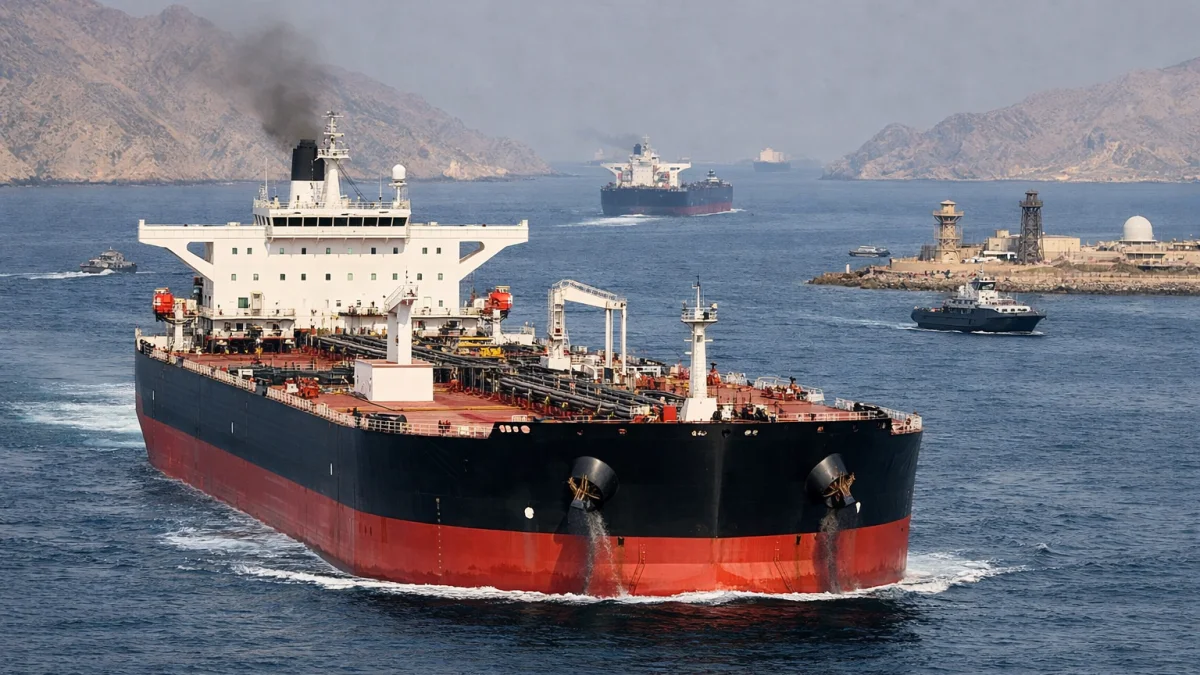


SINGAPORE — Oil tankers are increasingly positioning to return to the Middle East as industry participants prepare for the expected reopening of the Strait of Hormuz, although shipping companies and traders remain cautious pending confirmation that navigation through the strategic waterway can resume safely.
Ship-tracking data and shipping industry officials said on Wednesday that vessel operators were monitoring developments following a U.S.-Iran framework agreement aimed at reopening the strait, a route that normally carries about one-fifth of global oil and liquefied natural gas supplies. Shipping activity through the waterway remains below normal levels, according to maritime data providers and industry analysts.


Several tanker owners have begun directing vessels toward the Gulf region in anticipation of increased export demand once restrictions are eased, according to shipping market participants. However, companies said final decisions on transits would depend on security assessments, insurance coverage and operational guidance from maritime authorities. Details of those arrangements remain unclear.
“Initial reactions in the shipping industry are muted,” Jyske Bank analyst Haider Anjum said in a note cited by Reuters on Monday, adding that vessel tracking data showed no immediate surge in traffic toward Hormuz.
The expected reopening follows months of disruption linked to the escalation of conflict involving Iran and the United States, which sharply reduced commercial traffic through the strait. During the period of restricted access, numerous tankers carrying crude oil and LNG were delayed inside the Gulf, while energy companies sought alternative supply routes and inventories.
In recent weeks, a limited number of oil and gas tankers have exited the Gulf, including several supertankers carrying Middle Eastern crude that had been stranded for more than two months, according to shipping data reviewed by Reuters. Those movements were viewed by market participants as an indication that some cargo flows were beginning to resume.
Energy markets have responded to expectations of renewed shipments. Oil prices fell earlier this week as traders assessed the prospect of additional crude reaching international markets if Hormuz reopens and export operations normalize. Analysts cautioned that a full recovery in shipping volumes could take time even after political agreements are finalized.
As of Wednesday, shipping companies said they were awaiting further details on navigation procedures, security arrangements and insurance conditions before restoring regular operations. Maritime traffic through the strait remained limited, according to vessel-tracking data, while governments and industry groups continued to monitor the situation.