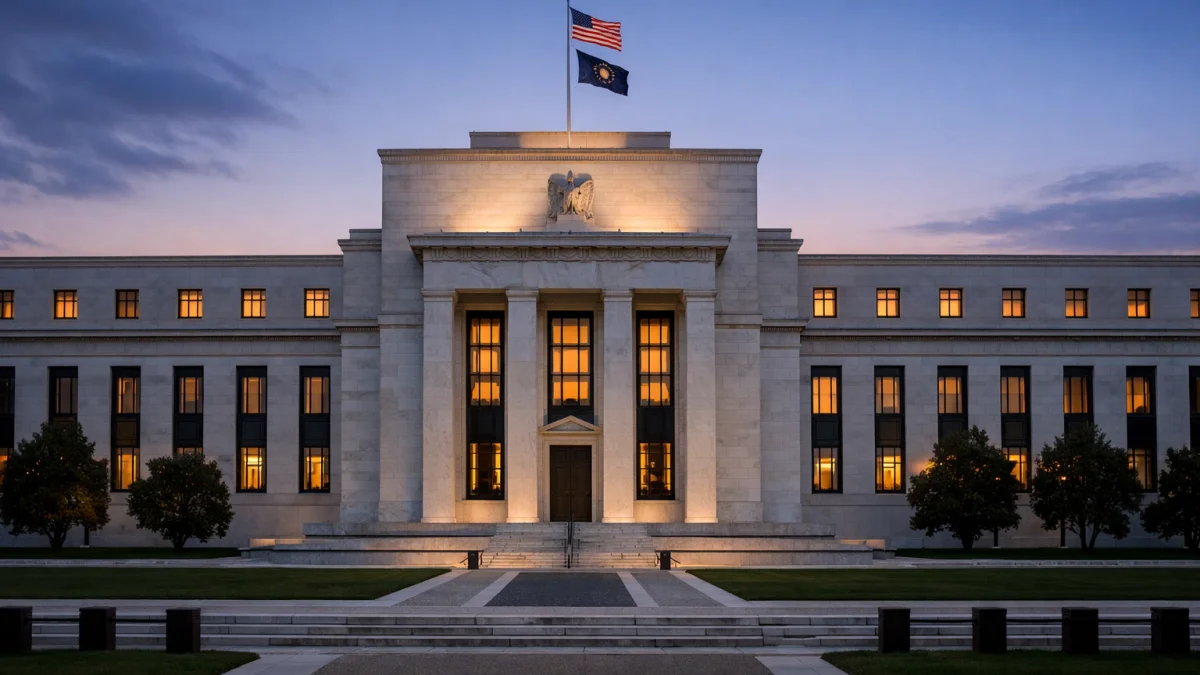


WASHINGTON — The Federal Reserve kept interest rates unchanged at its June policy meeting and signaled that future decisions will depend on inflation and economic conditions, a move that prompted investors to reassess expectations for U.S. monetary policy ahead of the second half of 2026. The Federal Open Market Committee (FOMC) voted unanimously on Wednesday to maintain its benchmark interest rate target range at about 3.5% to 3.75%, according to the Federal Reserve’s statement.
The central bank said economic activity continued to expand while inflation remained above its longer-term goal. In its statement, the Fed said inflation was still elevated partly because of supply-related pressures affecting areas including energy, and officials repeated that they would focus on returning inflation toward their 2% objective.


The meeting was the first policy gathering led by new Federal Reserve Chair Kevin Warsh. Officials’ updated projections showed a more divided outlook for interest rates, with some policymakers indicating that additional increases could be appropriate if inflation pressures persist. The projections no longer showed the same expectation for rate cuts that had appeared in earlier forecasts, according to reports on the Fed’s latest economic projections.
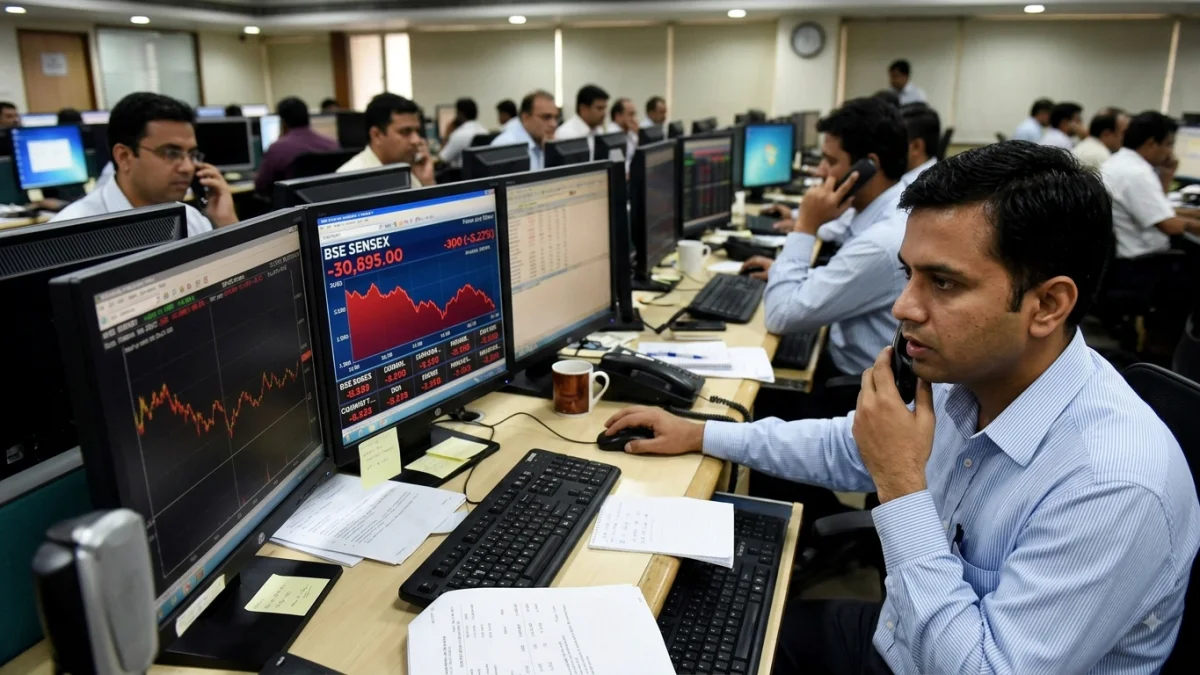
Financial markets reacted to the Fed’s communication as investors adjusted positions based on the possibility that borrowing costs could remain higher for longer. Market data and trading activity showed changes in stocks and bond yields following the announcement, according to financial market reports.
Warsh said the central bank remained focused on maintaining price stability. “The Committee will deliver price stability,” he said in remarks cited from the Federal Reserve’s policy communication. The chair also emphasized a cautious approach to policy decisions, officials said.
Economists and market participants have been monitoring several factors, including inflation trends, labor market conditions and global economic developments. The Fed said uncertainty remained elevated, including risks linked to international developments, but officials continued to describe economic activity and employment conditions as generally stable.
The Federal Reserve’s approach has drawn attention from both supporters of tighter policy and those calling for lower interest rates. Some officials have emphasized the need to avoid easing policy too quickly while inflation remains above target, while others have highlighted the potential effects of restrictive policy on economic growth. Details of the timing and scale of any future rate changes remain unclear.
On Sunday, June 21, investors and policymakers continued to monitor incoming economic data ahead of the Fed’s next scheduled meetings. The central bank has said future decisions will be based on available information about inflation, employment and broader economic conditions.