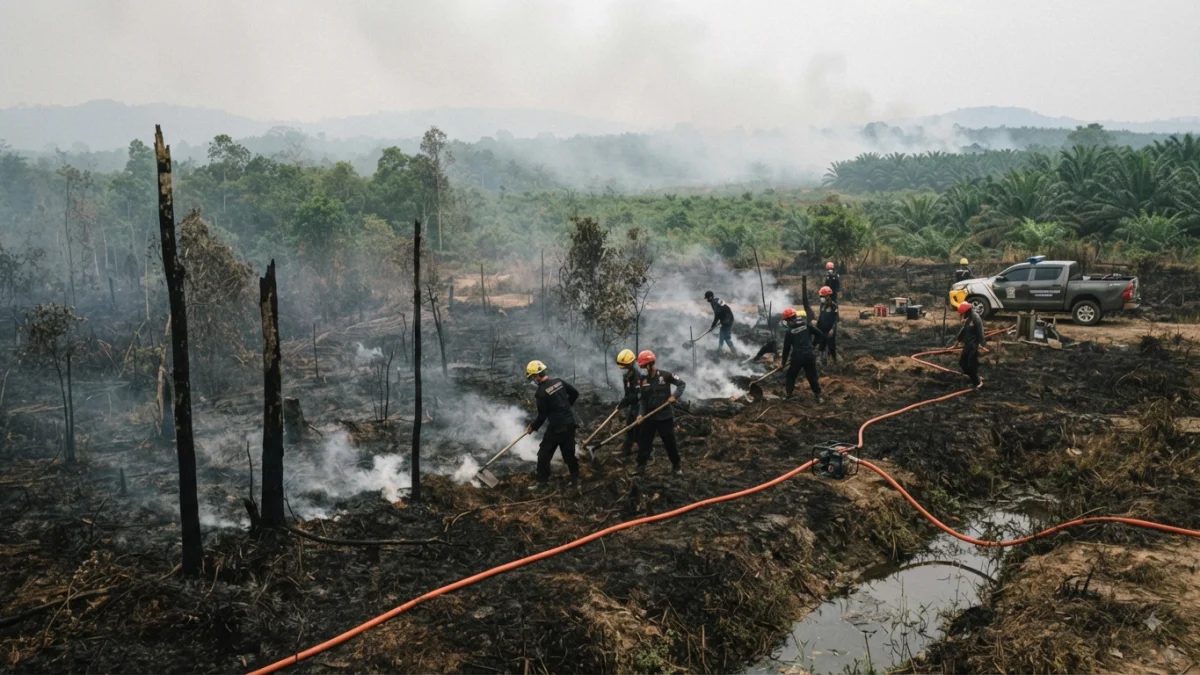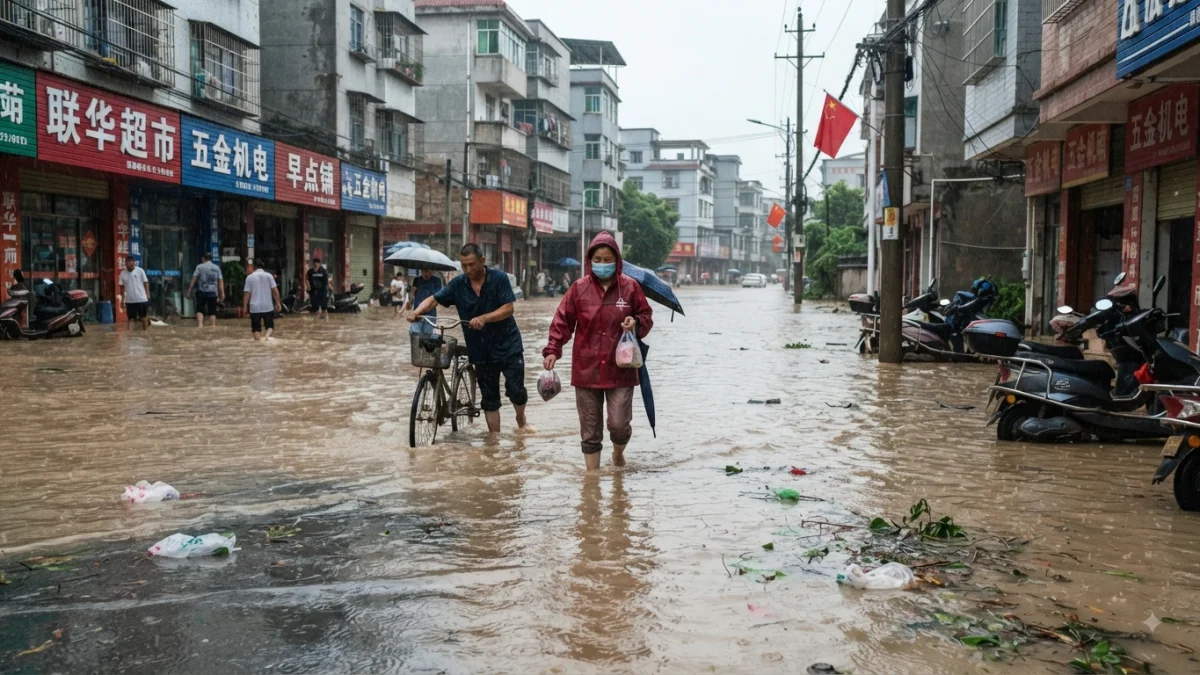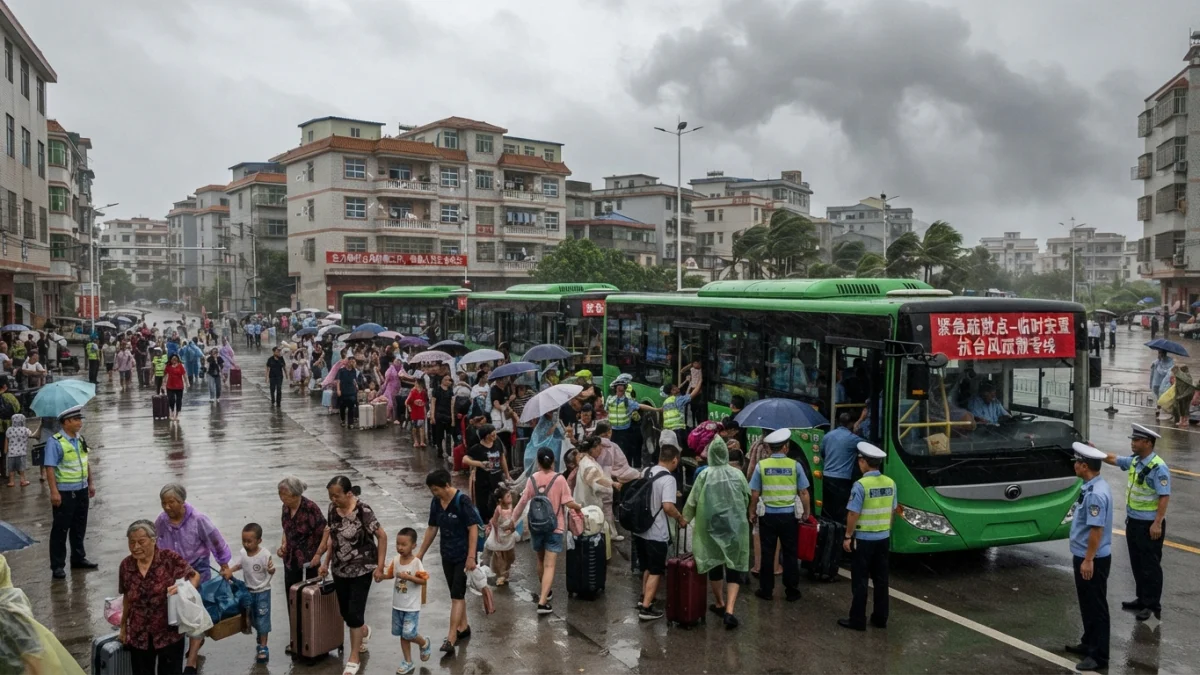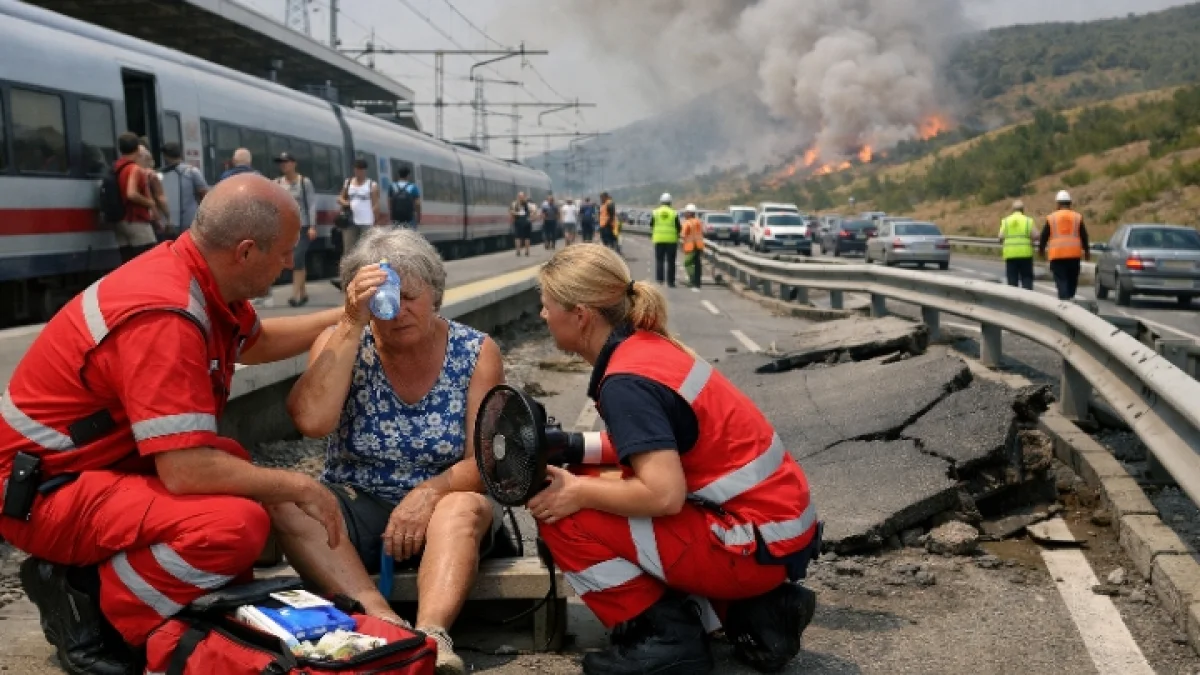


Europe's record-breaking early summer heatwave has emerged as one of the continent's deadliest climate-related events in recent years, with mortality data indicating that more than 10,000 excess deaths occurred during the late June period while governments and infrastructure operators continue to assess the full consequences of prolonged extreme temperatures. The combination of widespread fatalities, pressure on electricity systems, transport disruptions and growing demands on healthcare services has intensified scrutiny of Europe's preparedness for increasingly frequent heat extremes.
The latest figures are significant because they move the discussion beyond individual temperature records toward measurable societal impacts. EuroMOMO, the European mortality monitoring network supported by the European Centre for Disease Prevention and Control and the World Health Organization, reported that the overwhelming majority of excess deaths occurred among people aged 65 and older. Public health experts caution that excess mortality provides a broader measure of a heatwave's impact than official heat-related death counts because many fatalities arise indirectly through cardiovascular, respiratory and other underlying conditions exacerbated by extreme heat.


The scale of the mortality burden has reinforced scientific assessments that heat is becoming one of Europe's most significant climate-related health risks. Researchers have found no comparable concurrent event, such as a pandemic, that would explain the sharp rise in deaths during the affected weeks. Scientists from the World Weather Attribution initiative have also concluded that the intensity of the event would have been virtually impossible without human-induced climate change, while attribution studies in Britain linked a substantial share of estimated heat deaths to additional warming caused by greenhouse gas emissions.
The crisis has also exposed structural vulnerabilities in infrastructure that was largely designed for historically milder summers. Electricity systems faced surging demand as households and businesses increased cooling use while, in some regions, renewable generation weakened because of low wind conditions. Britain's electricity grid narrowly avoided blackouts on several occasions after emergency measures, including increased imports and additional generation, were deployed to maintain supplies. Energy analysts say the episode illustrates the growing challenge of maintaining reliable electricity systems during prolonged periods of extreme heat, particularly as cooling demand expands across Europe.
Transport and public infrastructure experienced similar pressures. High temperatures affected rail services, road surfaces and public facilities across several countries, while schools temporarily closed in some regions and local authorities expanded cooling centres and public health alerts. Although thunderstorms later brought temporary relief to parts of western and central Europe, they also produced localized flooding and storm damage, illustrating how rapid transitions between extreme heat and severe weather can complicate emergency response and infrastructure management.
The geographic spread of the mortality data suggests that vulnerability extends well beyond southern Europe. France, Belgium, the Netherlands, Spain, Germany and the United Kingdom all reported substantial impacts, although national reporting methodologies differ. Preliminary figures from France, Belgium and the Netherlands initially showed at least 3,700 excess deaths before continent-wide monitoring later indicated that the overall toll exceeded 10,000 as additional reporting became available. Officials have consistently emphasized that mortality estimates remain subject to revision as delayed registrations are incorporated.
The event has also renewed debate over adaptation policy. European governments have progressively expanded heat-health warning systems since the deadly 2003 heatwave, yet demographic change, urbanization and ageing populations continue to increase exposure to extreme temperatures. Public health specialists argue that early warning systems reduce risk but cannot fully offset vulnerabilities associated with poorly insulated housing, limited residential cooling, occupational exposure and chronic illness. The concentration of fatalities among older adults suggests that demographic factors remain central to future resilience planning.
For policymakers, the implications extend beyond emergency response. Heatwaves increasingly affect labour productivity, electricity markets, water resources, agriculture and insurance risks while requiring greater investment in resilient infrastructure. Utilities, transport operators and local governments are now confronting the possibility that temperatures once regarded as exceptional may occur more frequently, requiring engineering standards and contingency planning that reflect a changing climate rather than historical averages.
The current evidence indicates that Europe's latest heatwave was not solely a meteorological event but a continent-wide stress test for public health systems, critical infrastructure and climate adaptation strategies. Authorities continue to update mortality data, evaluate infrastructure performance and review emergency preparedness measures, while scientists monitor whether similar extreme conditions recur later in the summer and assess the longer-term implications for climate resilience.