

GENEVA — Record global temperatures and forecasts for continued high heat in the coming years have prompted renewed calls from United Nations agencies and scientists for accelerated climate action to address extreme weather risks.
A World Meteorological Organization report released in late May indicated an 86 percent chance that at least one year between 2026 and 2030 will surpass 2024 as the hottest on record, with annual global temperatures expected to range between 1.3°C and 1.9°C above pre-industrial levels. The assessment, produced with the UK Met Office, also projected a 91 percent chance that at least one year in that period will exceed the 1.5°C threshold.


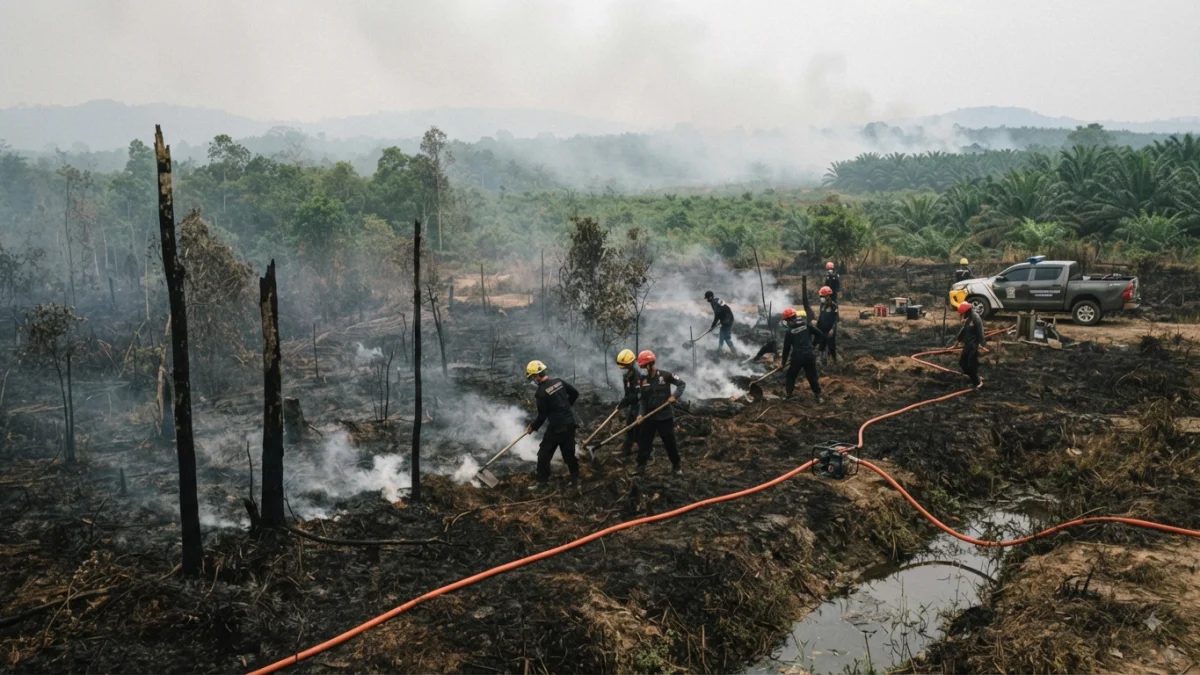
Recent months have featured extreme heat events in various regions, including parts of North America, Europe and Asia, amid the development of El Niño conditions that scientists say could further elevate temperatures later in 2026 and into 2027. The WMO has highlighted ongoing risks from heatwaves, droughts and other impacts.
The findings build on data showing the past decade as the warmest on record, with multiple recent years setting temperature benchmarks. Organizations including the UN have linked these trends to human-caused climate change and called for stronger emissions reductions and adaptation measures.
"Global temperatures are set to stay near record levels," the WMO stated in its projections. Initiatives such as Heat Action Day on June 2, 2026, have focused on raising awareness of indoor and outdoor heat risks and promoting community preparedness.
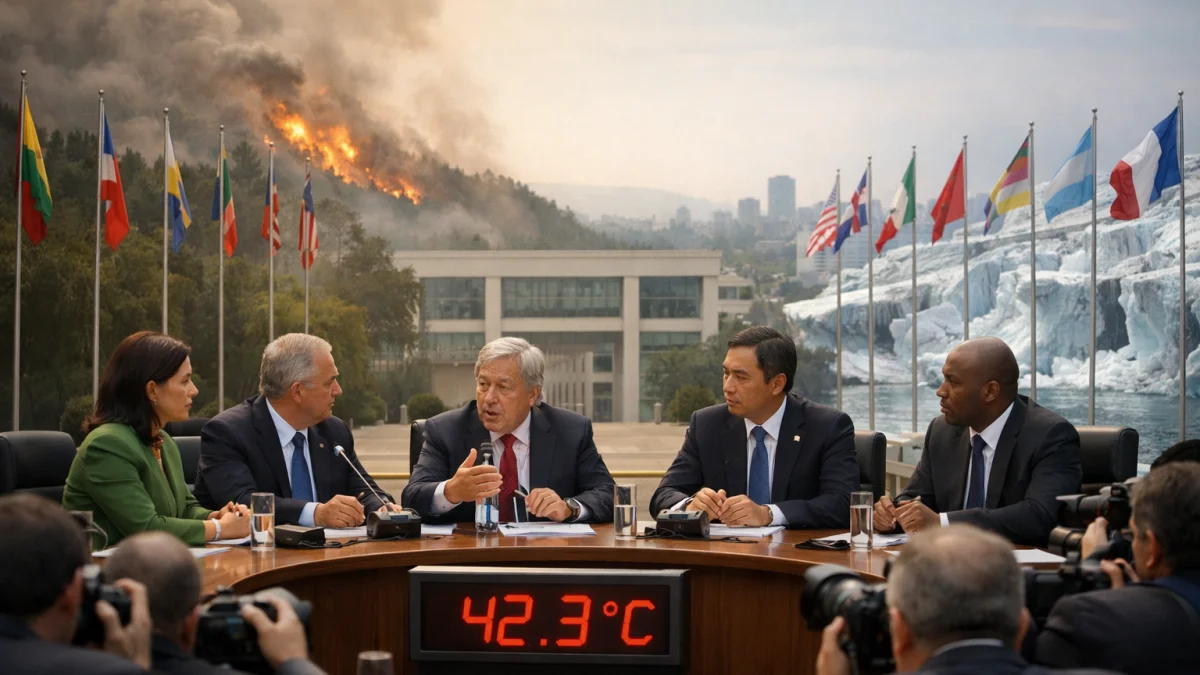
Climate conferences and health-focused gatherings scheduled in June 2026 have provided platforms for discussions on integrating climate considerations into public health and policy responses. Experts have emphasized the need for heat action plans, particularly for vulnerable populations.
The UN Secretary-General and other officials have issued broader calls to action on extreme heat, stressing protection of lives and livelihoods through mitigation and resilience-building efforts. Some analyses have pointed to the role of fossil fuel emissions in driving long-term warming trends.
National and local authorities in affected areas have implemented measures such as cooling centers and public warnings during heatwaves. International efforts continue to focus on the Paris Agreement goals, though progress assessments have noted gaps in current trajectories.
As global monitoring continues, additional data from ongoing observations and seasonal forecasts will inform further assessments. The WMO and partner agencies are expected to provide updates on temperature trends and related risks in the months ahead.