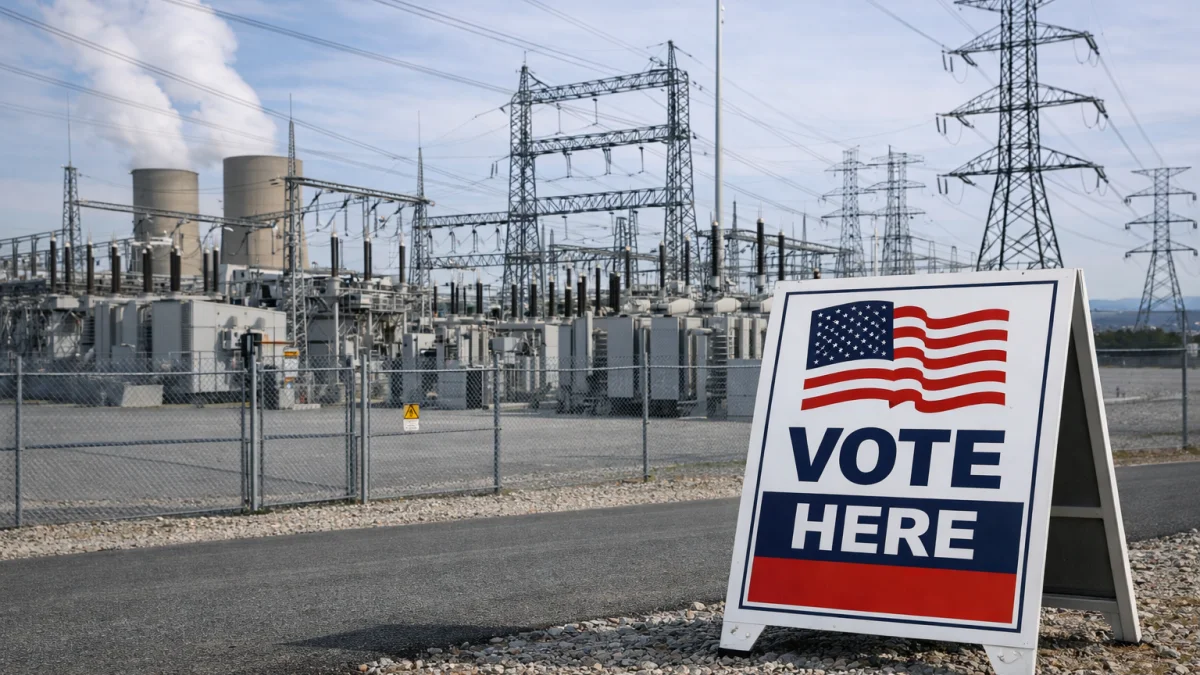


WASHINGTON — Rising electricity rates are emerging as a potential factor shaping voter sentiment ahead of the 2026 U.S. midterm elections, according to recent polling, advocacy group research and public opinion surveys that point to growing concern over household energy costs.
Surveys released in recent months indicate that many Americans view utility bills as an increasingly important affordability issue alongside housing, food and fuel costs. An Ipsos survey published in May found that most utility customers reported paying more for electricity or gas than a year earlier, while about three-quarters expressed concern that their bills would continue to rise.


The issue has drawn attention from political organizations across the ideological spectrum. The League of Conservation Voters Victory Fund said in a memo released this month that it plans to engage what it described as “energy bill voters,” referring to individuals and businesses facing pressure from higher energy costs. The group said affordability concerns could influence electoral outcomes in some races.
Polling and research organizations have also reported growing public concern about the causes of rising electricity prices. A Pew Research Center survey released in May found that many Americans attribute higher home energy costs to utility company practices, while respondents also cited factors including government regulations, extreme weather and increasing energy demand.
“Utility bills have joined groceries as a top tier issue in the affordability crisis,” according to research commissioned by environmental advocacy groups and released in February.
Some analysts and advocacy groups have linked voter concerns to rising demand from data centers and broader investments in energy infrastructure. A Reuters/Ipsos poll published this week found that a majority of respondents were worried that rapid expansion of AI-related data centers could contribute to higher electricity costs. The survey also found concern across political affiliations regarding the potential impact on household energy bills.
Industry representatives and energy experts, however, have said electricity prices are influenced by multiple factors, including fuel costs, grid modernization projects, weather-related expenses and regulatory decisions. Research published by policy organizations noted that experts differ on the relative importance of those factors and that the causes vary by region.
Several states have experienced debates over electricity rate increases, utility regulation and energy policy in recent months. In some regions, elected officials, regulators and utility companies have faced increased scrutiny from consumers concerned about affordability.
With the November midterm elections approaching, energy affordability remains a topic in public polling and campaign messaging. The extent to which electricity costs may influence voting behavior remains uncertain, though recent surveys suggest the issue has gained prominence among voters concerned about household expenses.