

Renewed military escalation in the Middle East has once again placed global energy markets under pressure, reversing much of the optimism that followed recent efforts to restore stability to regional oil exports. Fresh exchanges involving the United States and Iran, alongside growing concerns over the security of critical maritime routes, have driven a renewed geopolitical risk premium into crude oil prices and highlighted how quickly energy markets can react when supply security is called into question.
The latest developments are significant because they interrupt expectations that the region was moving toward a gradual normalization after earlier disruptions to shipping through the Strait of Hormuz. Only days before the renewed hostilities, official forecasts from the U.S. Energy Information Administration (EIA) and the International Energy Agency (IEA) projected improving production, recovering tanker traffic and easing prices as exports resumed. Those assumptions are now being reassessed as traders, governments and energy companies evaluate whether the latest violence represents a temporary disruption or the beginning of another prolonged period of instability.


Oil prices have responded immediately. Brent crude and U.S. West Texas Intermediate both posted sharp gains during the week as investors priced in the possibility of interruptions to supplies from one of the world's most strategically important energy-producing regions. Although physical supply losses remain limited compared with the worst periods of disruption earlier this year, analysts note that markets frequently respond not only to actual shortages but also to rising uncertainty surrounding future production and transportation.
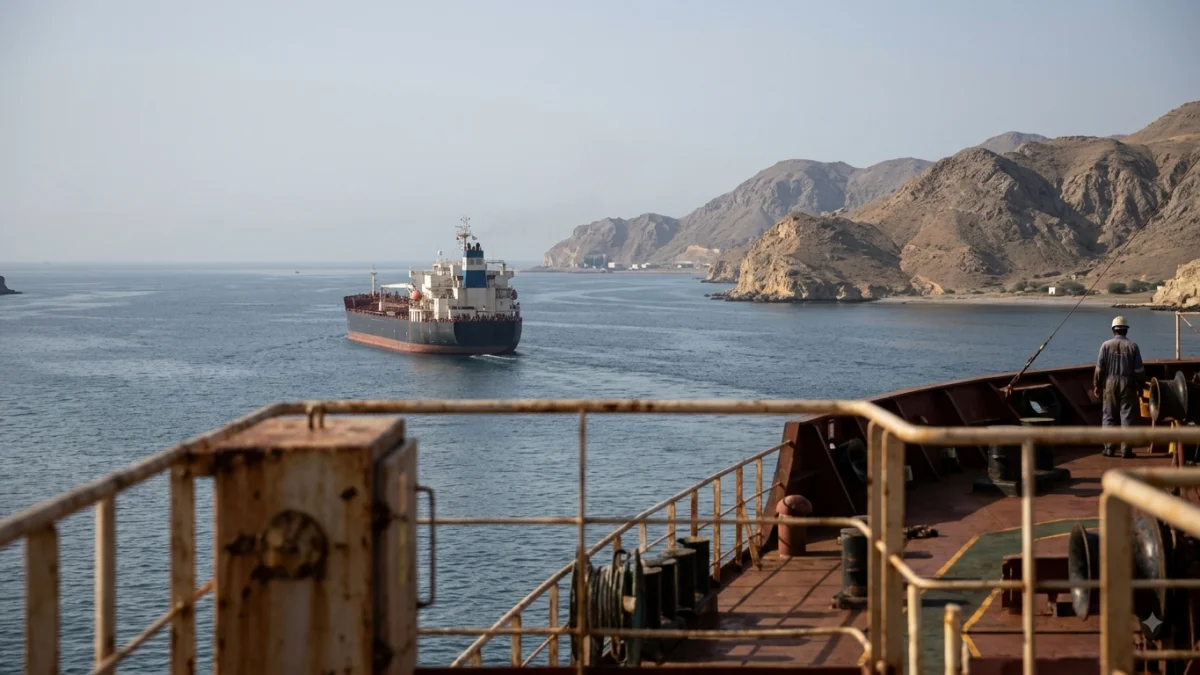
The Strait of Hormuz remains central to these concerns. The narrow waterway serves as one of the world's most important energy chokepoints, carrying a substantial share of internationally traded crude oil and liquefied natural gas. Even when exports continue, military activity, missile attacks, or threats against commercial shipping can increase insurance costs, delay tanker movements and encourage buyers to seek alternative supplies. Those effects can tighten markets without a complete interruption of exports.
Recent reports of attacks involving regional infrastructure and threats affecting shipping routes have reinforced those risks. Market participants are also monitoring warnings that broader maritime routes, including those linked to the Red Sea, could face additional disruption if the conflict expands. Such developments would complicate global energy logistics beyond Gulf exports alone, affecting shipping schedules, freight costs and refinery operations across Europe and Asia.
The renewed volatility illustrates the limits of earlier expectations that higher production alone would stabilize prices. Earlier this month, the EIA raised its outlook for global oil production, citing increased flows through the Strait of Hormuz and forecasting lower oil and gasoline prices later in the year. Likewise, the IEA reported improving production and inventories following the reopening of shipping routes while cautioning that its forecasts depended on continued de-escalation. Renewed fighting has weakened that assumption, even if no large-scale supply interruption has yet been confirmed.
Supply fundamentals nevertheless provide some counterbalance to geopolitical risks. OPEC+ recently reaffirmed its commitment to supporting market stability while approving another measured production adjustment for August. Outside the Middle East, production growth in several non-OPEC producers continues to support global supply. These factors may help limit sustained price increases if regional tensions do not significantly reduce exports.
Financial markets are therefore weighing two competing forces. On one side are geopolitical risks that support higher prices by increasing uncertainty over future supply. On the other are expectations of adequate production capacity and slower global demand growth, which continue to moderate longer-term price forecasts. Several analysts have noted that recent trading reflects this balance, with oil prices moving sharply in response to military developments while remaining below the extreme peaks reached during earlier stages of this year's conflict.
For consuming economies, persistent energy volatility presents broader macroeconomic challenges. Higher crude prices can translate into increased fuel, transportation and manufacturing costs, complicating inflation trends that many central banks have been working to moderate. Import-dependent economies in Asia and Europe remain particularly exposed because of their reliance on maritime energy imports, while exporting countries may experience higher revenues if prices remain elevated. However, sustained volatility can also discourage investment and complicate planning across the energy sector.
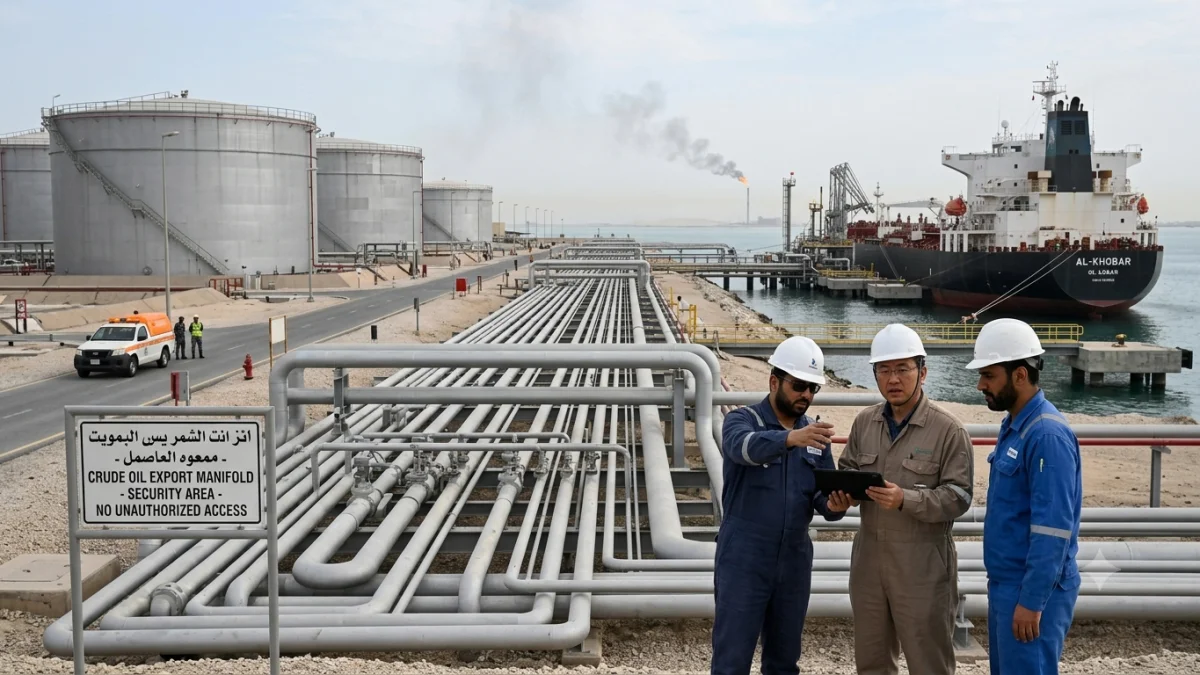
Governments and energy companies have also accumulated experience from previous disruptions. Strategic petroleum reserves, diversified supply chains, expanded production outside the Gulf and alternative shipping arrangements have improved resilience compared with earlier crises. Even so, officials and industry analysts continue to emphasize that no combination of contingency measures can fully replace the importance of uninterrupted flows through the Gulf's principal export routes.
The immediate outlook therefore depends less on current production levels than on the trajectory of the regional security situation. Confirmed military developments, the safety of commercial shipping, official statements from governments involved in the conflict, and decisions by OPEC+, major producers and international energy agencies remain the principal indicators being monitored. While energy supplies continue to flow, renewed conflict has restored geopolitical uncertainty as a dominant influence on global oil markets, leaving policymakers and investors closely watching whether diplomatic efforts can prevent further disruption.