

WASHINGTON — U.S. officials have accused Russia of providing Iran with intelligence on the locations and movements of American forces in the Middle East, according to multiple reports citing people familiar with the intelligence.
The information shared by Russia has included satellite imagery detailing positions of U.S. warships, aircraft and troops in the region, officials said. This assistance was first reported earlier this month and marks the initial indication of direct Russian involvement, even indirectly, in the ongoing conflict that began with U.S. and Israeli strikes on Iran in late February.


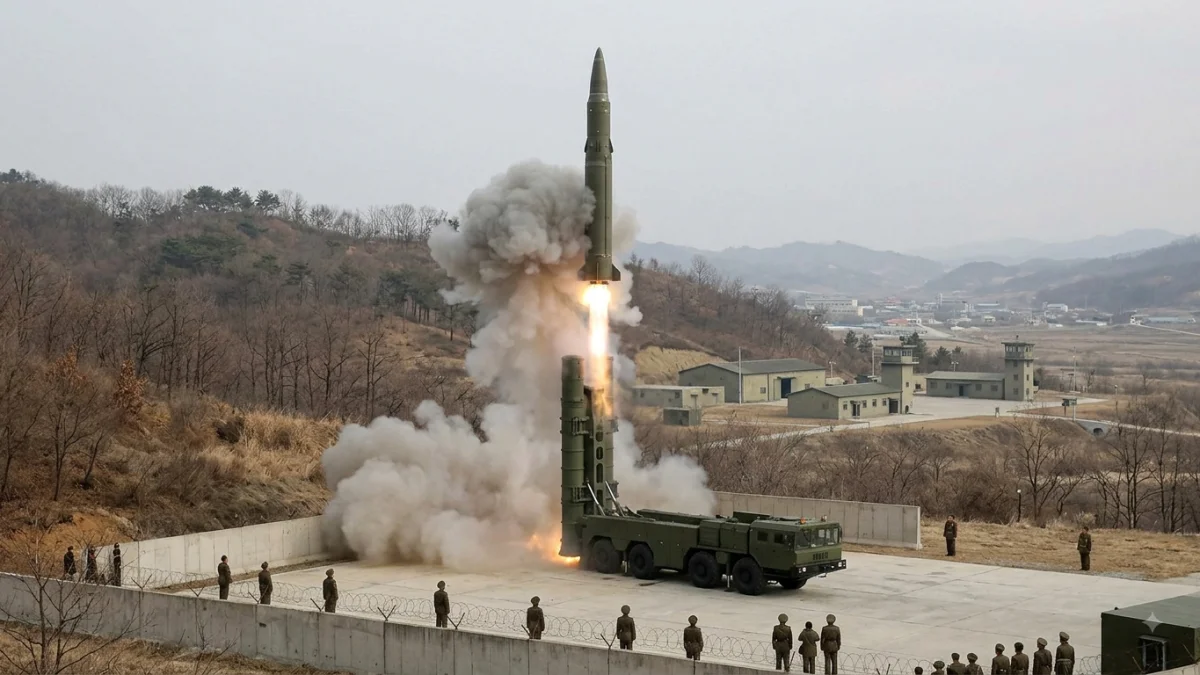
The accusations come as Iran has enforced restrictions on shipping through the Strait of Hormuz and launched missile and drone attacks on U.S. and allied targets. Iranian forces have struck at U.S. military bases, with some reports indicating casualties among American service members in locations including Kuwait and Bahrain. Russian-supplied intelligence could help Iran locate U.S. assets more effectively, though officials have stated there is no evidence Moscow is directing specific Iranian strikes.
Russia has denied the accusations. In a phone call with President Donald Trump earlier this month, Russian officials rejected claims of intelligence sharing with Iran, according to U.S. special envoy Steve Witkoff. Moscow has also dismissed related media reports as unfounded.
The intelligence cooperation fits into broader ties between Russia and Iran, which have included arms transfers and economic links in recent years. U.S. intelligence has monitored increased exchanges since the current conflict escalated, including potential satellite data from Russia's overhead constellation.
The situation has unfolded alongside diplomatic efforts. President Trump extended a deadline for Iran to reopen the Strait of Hormuz to April 6, citing backchannel talks. The waterway, which normally carries about one-fifth of global oil trade, has seen commercial traffic drop sharply since early March, affecting energy markets and shipping operations.
As of Friday, U.S. officials continued to assess the extent of any Russian support while monitoring developments in the Persian Gulf. Pentagon and intelligence agencies have not released detailed public statements on the matter, and diplomatic contacts through intermediaries remained active amid ongoing military operations in the region.