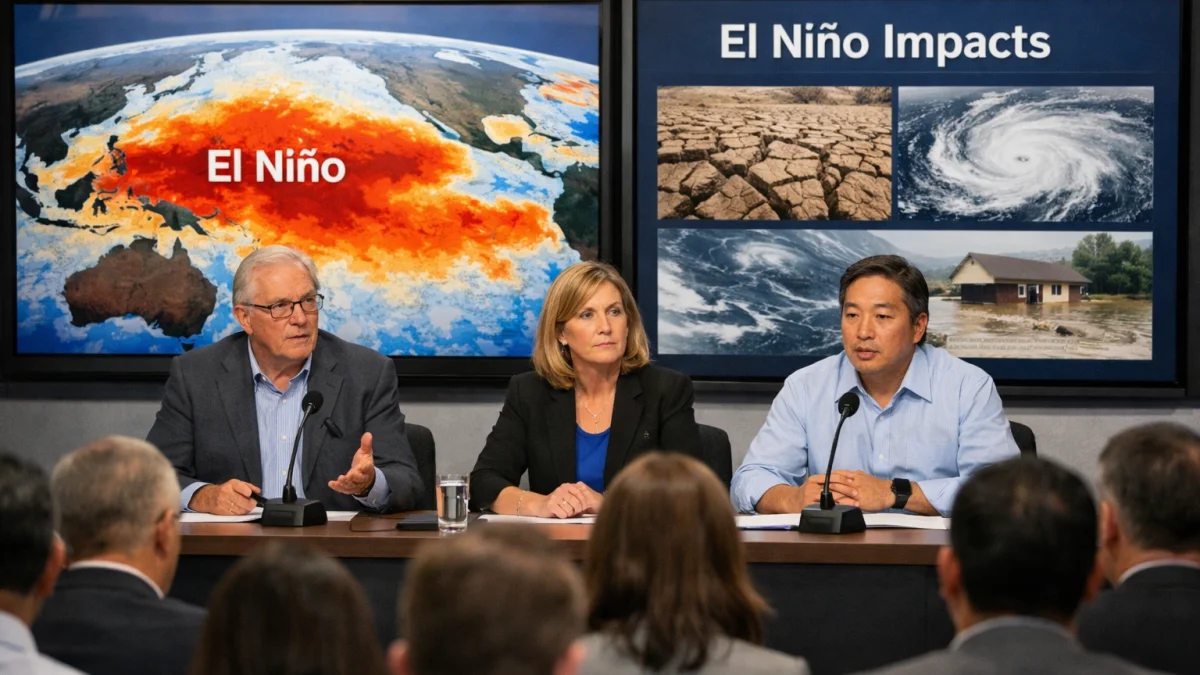


GENEVA — Scientists from the World Meteorological Organization and the U.S. National Oceanic and Atmospheric Administration have warned of major potential impacts from an intensifying El Niño event in the tropical Pacific, which is expected to influence global weather patterns through at least early 2027.
El Niño conditions are present and are forecast to strengthen into the Northern Hemisphere winter of 2026-27, according to NOAA’s advisory issued on Thursday. The agency reported a 63% chance that the event could rank among the strongest on record since 1950.


The WMO stated there is an 80% chance of El Niño developing between June and August 2026, with probabilities rising to near or above 90% through November. Officials said the phenomenon, combined with ongoing climate change, could amplify extreme weather events worldwide.
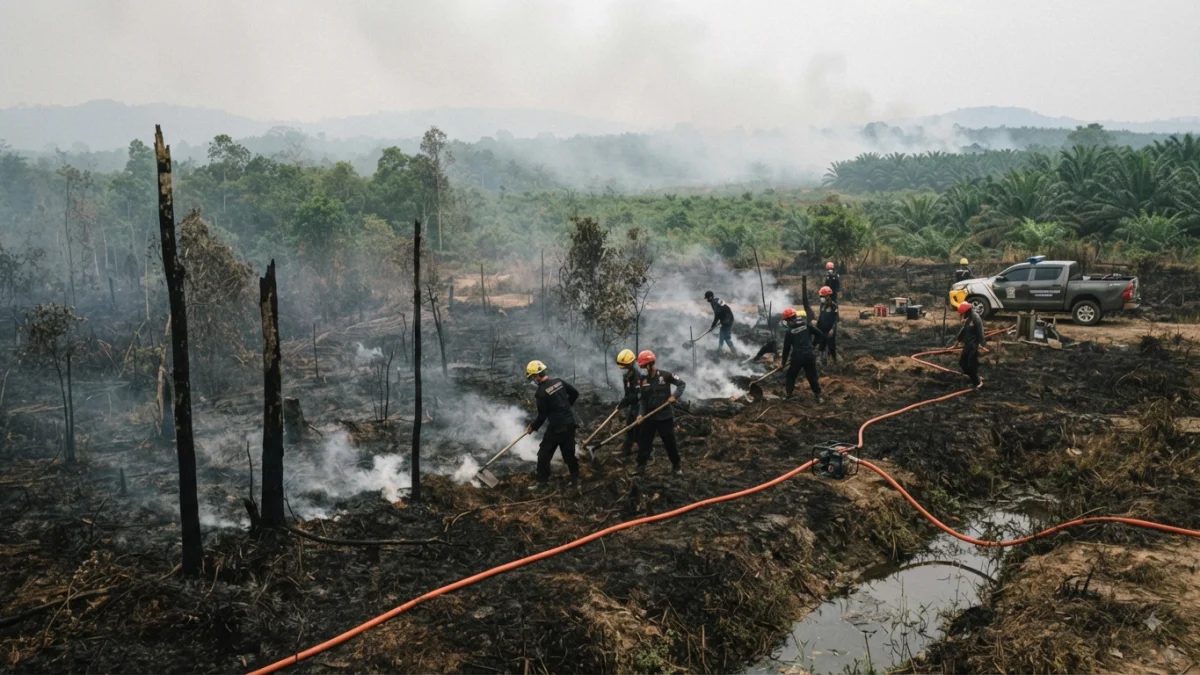
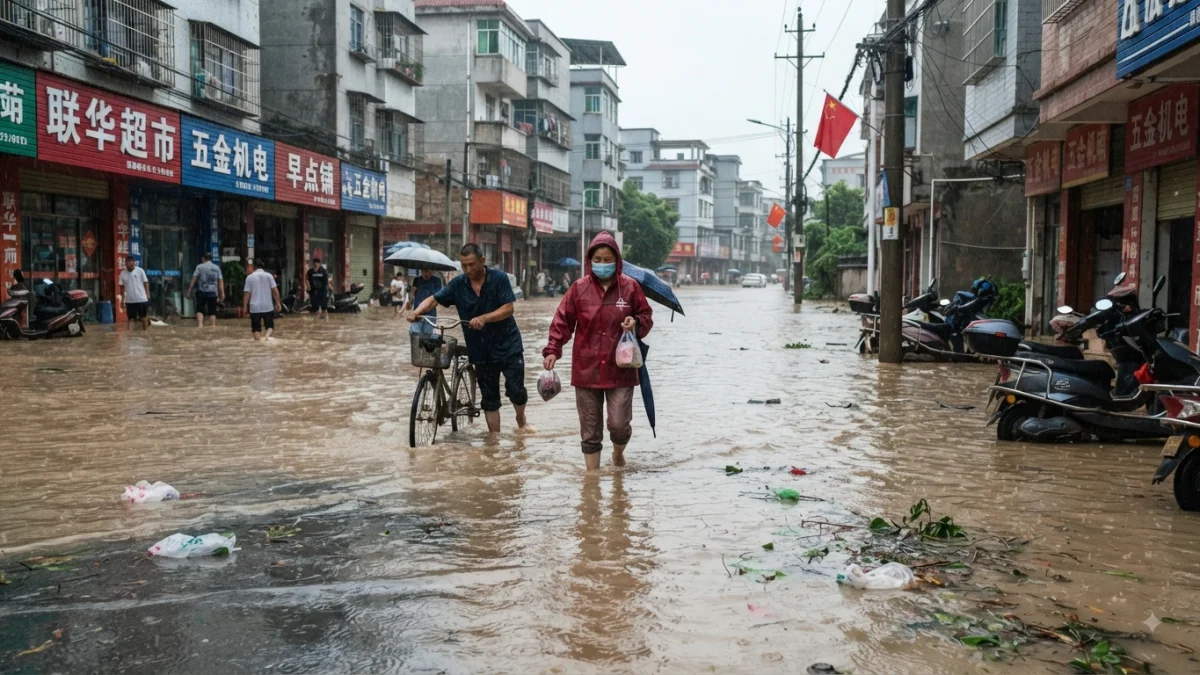
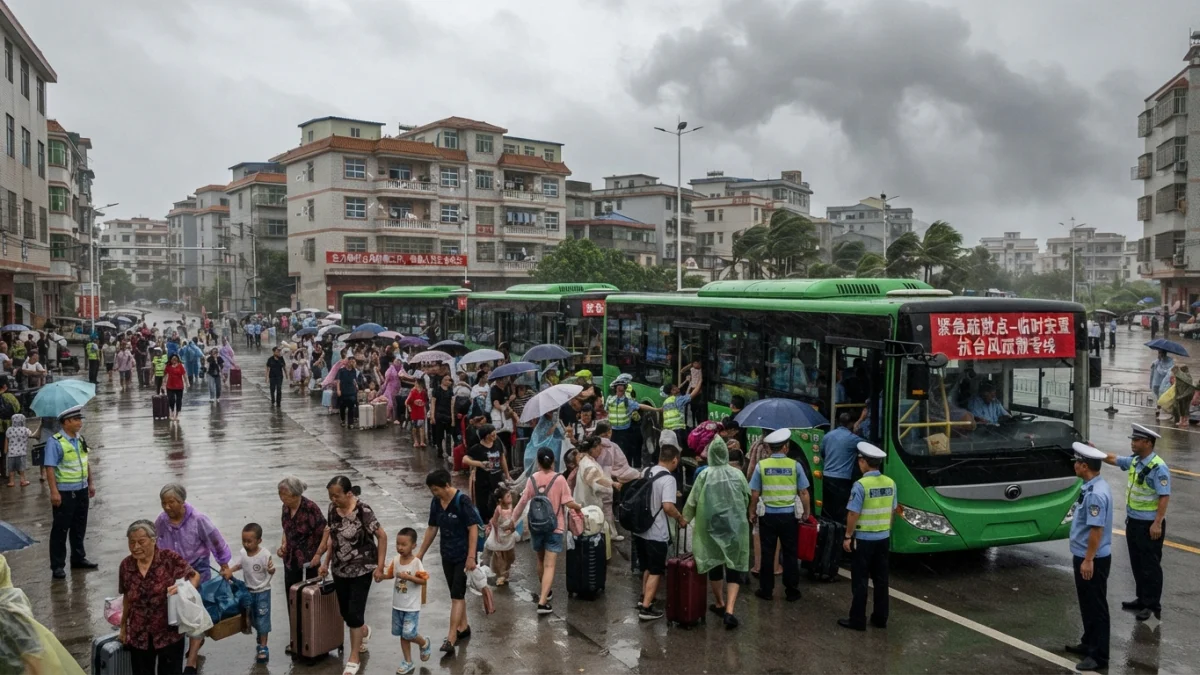
El Niño involves the warming of sea surface temperatures in the central and eastern equatorial Pacific, disrupting atmospheric circulation and altering rainfall and temperature patterns globally. Typical effects include higher risks of flooding in parts of the southern United States, eastern Africa and China, and increased chances of drought and wildfires in Indonesia, Australia and southern Africa.
"Prepare for El Niño," WMO Secretary-General Celeste Saulo said in a statement. "It could be the strongest in decades."
The current transition follows a period of neutral conditions after the previous strong El Niño in 2023-2024. NOAA reported sea surface temperatures in the Niño 3.4 region at about 0.7 degrees Celsius above average, with even higher anomalies farther east.
Experts have noted that El Niño tends to boost global temperatures, with forecasts suggesting it could contribute to 2026 or 2027 being among the warmest years on record. The event is expected to peak later in 2026 or early 2027.
The phenomenon typically lasts nine to 12 months. While it increases the odds of certain weather extremes, outcomes can vary by region and exact strength.
As of Thursday, monitoring agencies said they would continue to update forecasts as the event evolves. Governments and organizations have been urged to prepare for potential impacts including heatwaves, floods, droughts and disruptions to agriculture and water resources. Details on specific regional measures remain under discussion by national authorities.