

WASHINGTON — U.S. agriculture officials have implemented new livestock border measures and movement restrictions in parts of Texas following the detection of New World screwworm in the state, the U.S. Department of Agriculture said.
The USDA’s Animal and Plant Health Inspection Service confirmed the presence of the parasite in a calf in Zavala County, Texas, on June 3, marking the first such detection in the United States in decades. Additional cases were reported shortly after, prompting enhanced surveillance and controls along the U.S.-Mexico border.


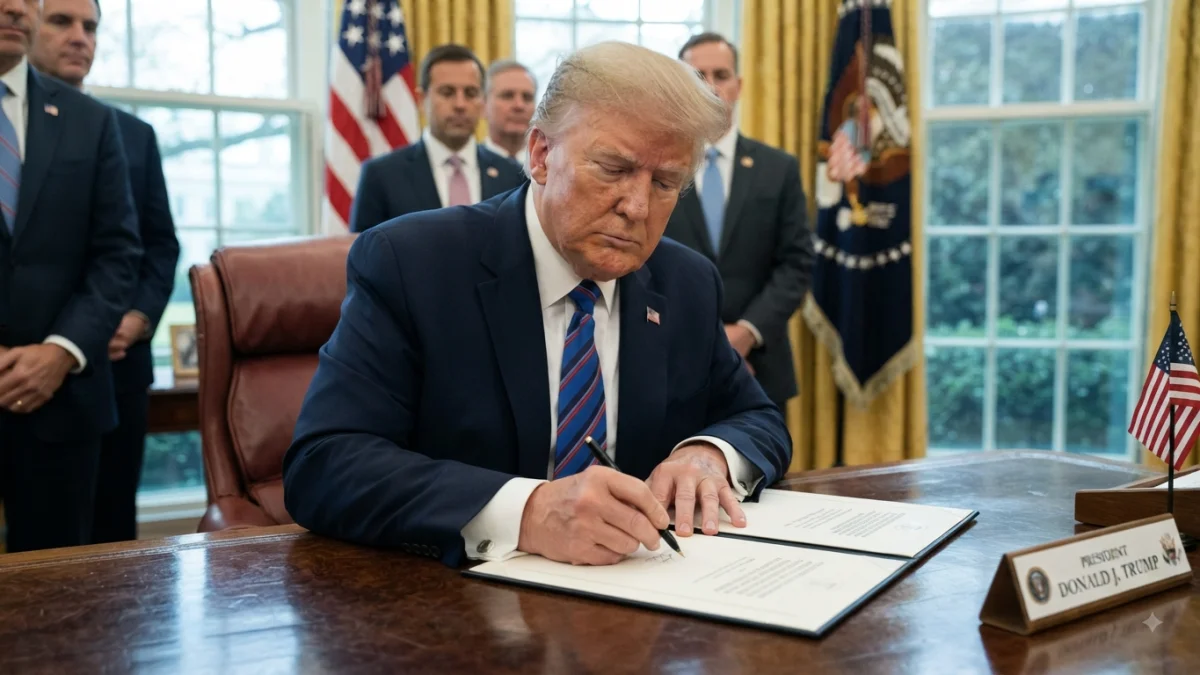
Texas authorities issued a disaster declaration and imposed quarantines in affected counties, including movement restrictions on livestock. The measures aim to prevent further spread of the flesh-eating fly larvae, which infest wounds in animals and can cause severe damage.
“Producers should be checking livestock every day and treating any wound as a potential entry point,” Texas Agriculture Commissioner Sid Miller said.
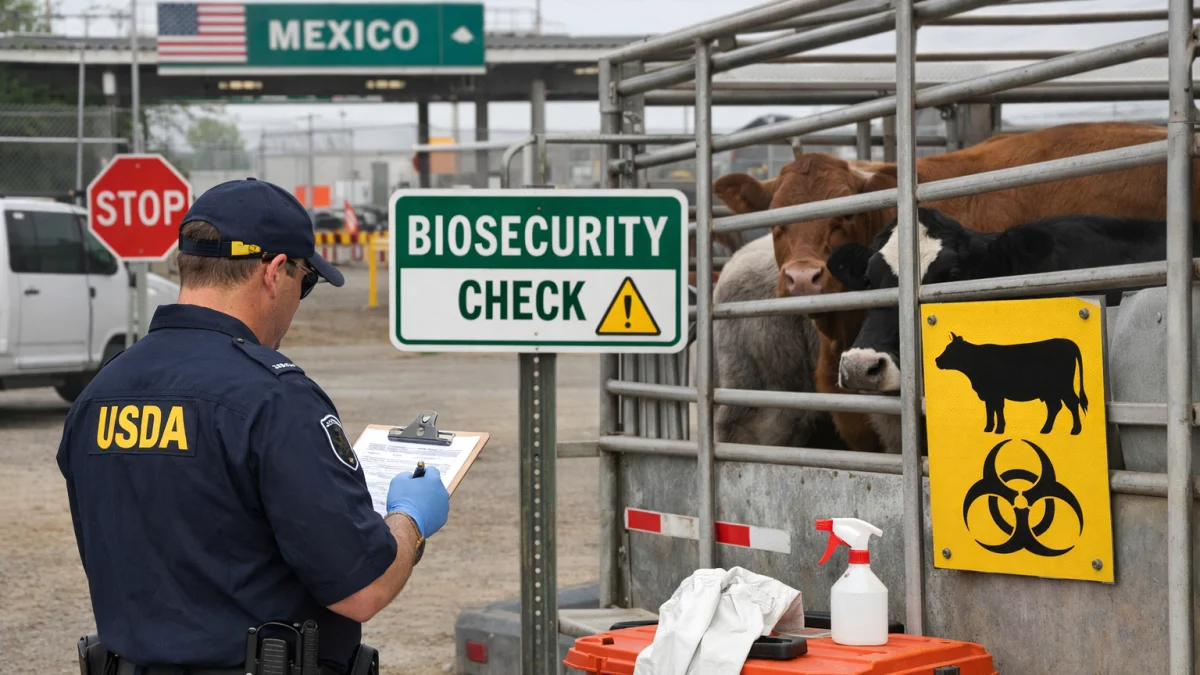
The USDA has expanded sterile insect releases along the border and suspended or restricted imports of live cattle and other livestock from Mexico, measures first enacted in 2025 as the pest advanced northward through Central America and Mexico.
The New World screwworm, eradicated from the U.S. in the 1960s, has re-emerged as a threat after spreading through Mexico. Officials have deployed increased trapping, surveillance and treatment protocols. No human cases have been reported in the U.S. in connection with the current outbreak.
The developments come amid concerns for the livestock industry, already facing tight supplies. Ranchers in affected areas were advised to monitor animals closely and report suspicious cases. Details on the full economic impact remained unclear.
As of Monday, quarantine zones remained in place in parts of southern Texas. Federal and state teams continued expanded surveillance and sterile fly dispersal operations. Livestock producers were urged to follow biosecurity guidelines and movement certification requirements.
Officials said they were working with international partners to contain the pest south of the border. Further updates on the situation were expected in coming days.