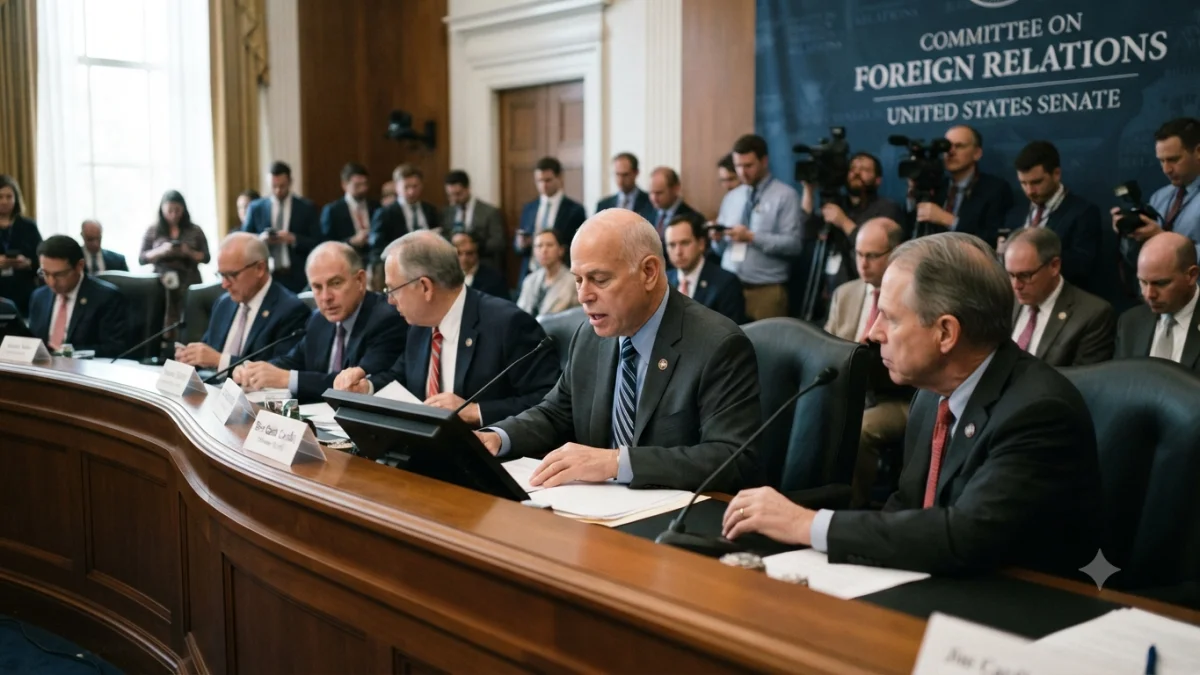


The U.S. Senate has passed a sweeping Russia sanctions package by 86-11, giving President Donald Trump potential authority to impose tariffs of up to 100% on imports from countries that remain major buyers of Russian oil and gas. The vote marks a significant escalation in Washington’s effort to pressure Moscow by targeting not only Russian entities but also the foreign markets that sustain its energy revenues. The measure now moves to the House of Representatives, where its tariff provisions face greater scrutiny.
The legislation, known as the Lindsey O. Graham Sanctioning Russia and Iran Act of 2026, is important because it would broaden the economic pressure campaign beyond Russia itself. Rather than relying primarily on restrictions against Russian companies, banks, officials and shipping networks, the bill creates a mechanism for imposing costs on countries that continue to purchase substantial quantities of Russian energy. The Senate measure limits the tariff authority to the five largest importers of Russian crude oil or natural gas and to major countries involved in helping Russia evade sanctions, according to the bipartisan group of senators that negotiated the legislation.


The approach reflects a central problem that Western sanctions have faced since Russia's full-scale invasion of Ukraine in 2022: Moscow has redirected much of its energy trade away from Europe toward Asia. U.S. Energy Information Administration data show that Asia and Oceania accounted for 81% of Russia's crude oil and condensate exports in the first half of 2025, compared with 41% in 2020. China and India accounted for the overwhelming share of those Asian purchases.
That shift gives the new legislation its potential leverage, but also creates economic and diplomatic risks. China's and India's purchases have helped preserve an outlet for Russian crude even as European demand has fallen sharply. In 2024, China averaged about 2.2 million barrels per day of Russian crude and condensate imports, while India's imports reached about 1.7 million barrels per day, according to the EIA. Cutting those flows would therefore affect a substantial part of Russia's export network rather than simply targeting marginal trade.
The bill nevertheless does not automatically impose a 100% tariff on affected countries. It gives the president authority to use tariffs of up to that level, leaving the administration with substantial discretion over whether and how the mechanism is applied. The legislation also contains exemptions and waiver provisions, while the negotiated version narrowed earlier proposals in an effort to secure White House support.
That distinction is central to the measure's potential impact. The immediate economic effect is therefore less certain than the headline tariff rate suggests. The legislation gives Washington a new negotiating instrument that could be used to encourage energy buyers to reduce purchases of Russian crude and gas without necessarily requiring the United States to impose the maximum tariff. The Senate's overwhelming vote also provides a political signal that tougher pressure on Russia has substantial bipartisan support, even though lawmakers remain divided over the extent of presidential tariff authority.
For Russia, the principal concern is the possibility of weakening the Asian energy market that has become increasingly important since Western sanctions were introduced. Previous measures have already increased the costs and complexity of Russian energy exports by targeting shipping, financial channels and sanctions evasion. The EIA has documented the expansion of Russia's energy trade toward Asia as European restrictions intensified. At the same time, Russia has developed alternative trading and shipping arrangements, including the use of shadow-fleet vessels, which could complicate enforcement of additional restrictions.
For Washington, the legislation also raises the question of how far secondary pressure can be applied without producing unintended effects in global energy markets. Restrictions on major buyers could reduce Russian export volumes and revenues, but disruptions to established supply chains can also increase competition for alternative crude supplies. The economic consequences would depend on the extent to which affected buyers reduce Russian purchases, secure alternative supplies and absorb or pass on higher trade costs.
The measure also combines Russia policy with Iran sanctions, extending restrictions affecting Iran's energy and weapons sectors. That broader package helped produce a bipartisan coalition but gives the legislation a wider foreign-policy scope than a Russia-only sanctions bill.
The confirmed development is therefore the Senate's passage, not the immediate imposition of new tariffs. The legislation must still clear the House before it can become law, and House lawmakers have raised concerns about the breadth of the president's tariff powers and possible effects on U.S. consumers and businesses. The next key developments are House consideration, any changes to the Senate text, and the administration's decisions over whether to use the authority if the measure is enacted.