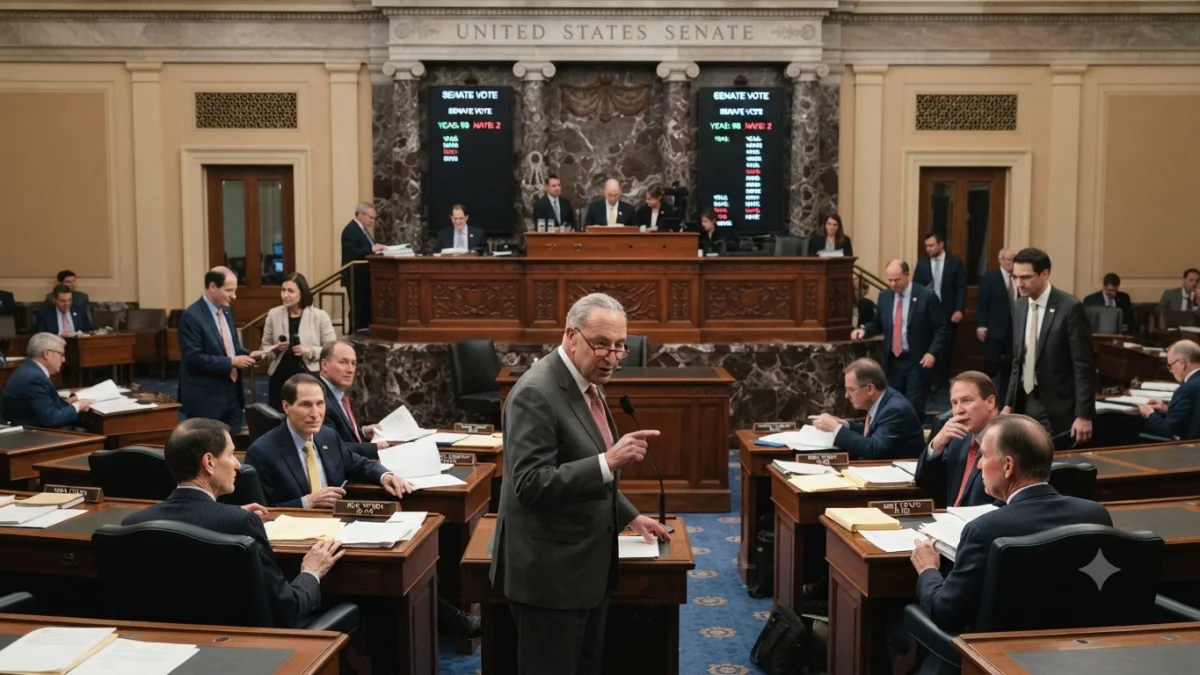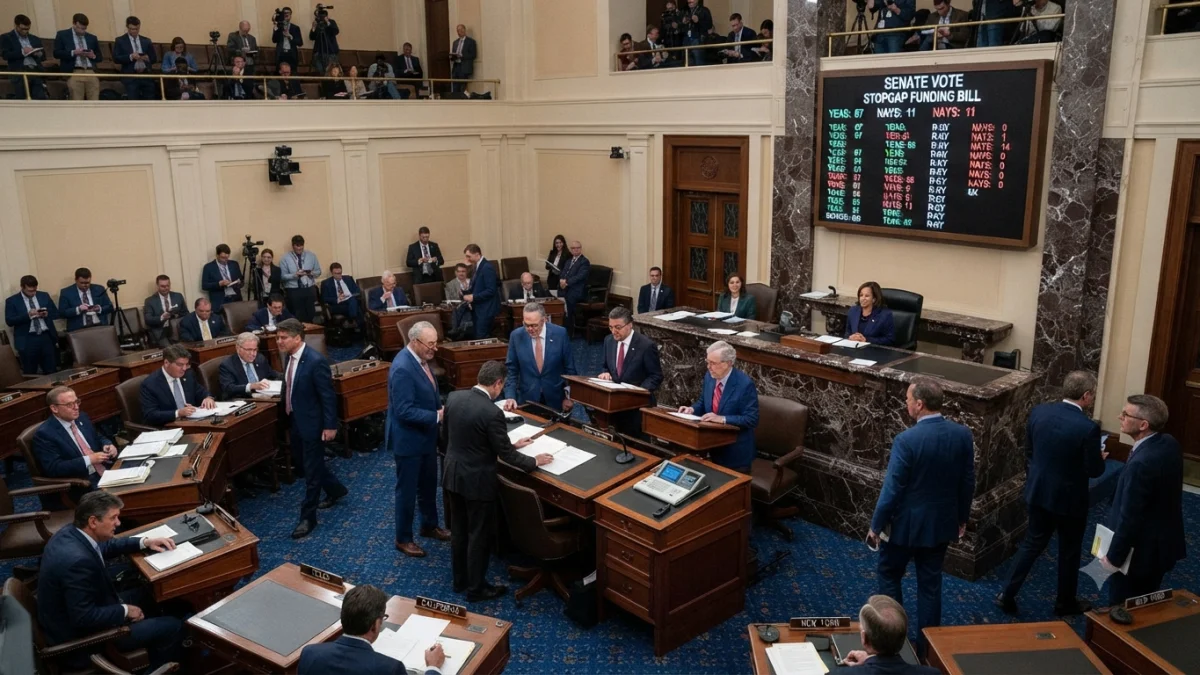


WASHINGTON — The U.S. Senate passed a bipartisan stopgap funding bill on Saturday to keep the federal government operating through Dec. 11, moving Congress closer to averting a shutdown when current funding expires at the end of September.
The measure passed 90-6, reflecting broad support from both Republicans and Democrats. It now faces the House of Representatives, which has already approved a separate continuing resolution that would fund the government through Dec. 4. The differences between the two bills must be resolved before the legislation can reach President Donald Trump for his signature.


The Senate acted well ahead of the Sept. 30 expiration of current appropriations, seeking to prevent another funding confrontation during the campaign period for the November midterm elections. The measure generally maintains existing funding levels while making targeted changes to several programs.
Among its provisions, the Senate bill restricts the administration's ability to redirect appropriated money toward border security and temporarily blocks implementation of a proposed rule that would give political appointees greater control over federal grant allocations, according to the bill and congressional reporting.
The legislation also rejects a White House request for $1 billion in initial funding for a proposed new class of battleships, while providing additional support for housing and food assistance programs.
Senate Majority Leader John Thune, a Republican, had made passage of a bipartisan funding measure before the chamber's August recess a priority. Negotiations involved senior lawmakers from both parties, including Senate Appropriations Committee Chair Susan Collins, a Republican, and Democratic Senator Patty Murray.
The House measure, approved 220-205 on July 21, would keep federal agencies funded through Dec. 4. Its shorter duration and differences over policy provisions leave lawmakers with the task of reaching a common version.
Congress has until Sept. 30 to enact legislation maintaining federal funding beyond the current fiscal year. If lawmakers fail to reach an agreement, funding for many federal agencies would lapse on Oct. 1, potentially triggering a government shutdown.
The Senate's action therefore does not itself avert a shutdown. The House must still act on the Senate-passed measure or reach agreement on another bill before the funding deadline.