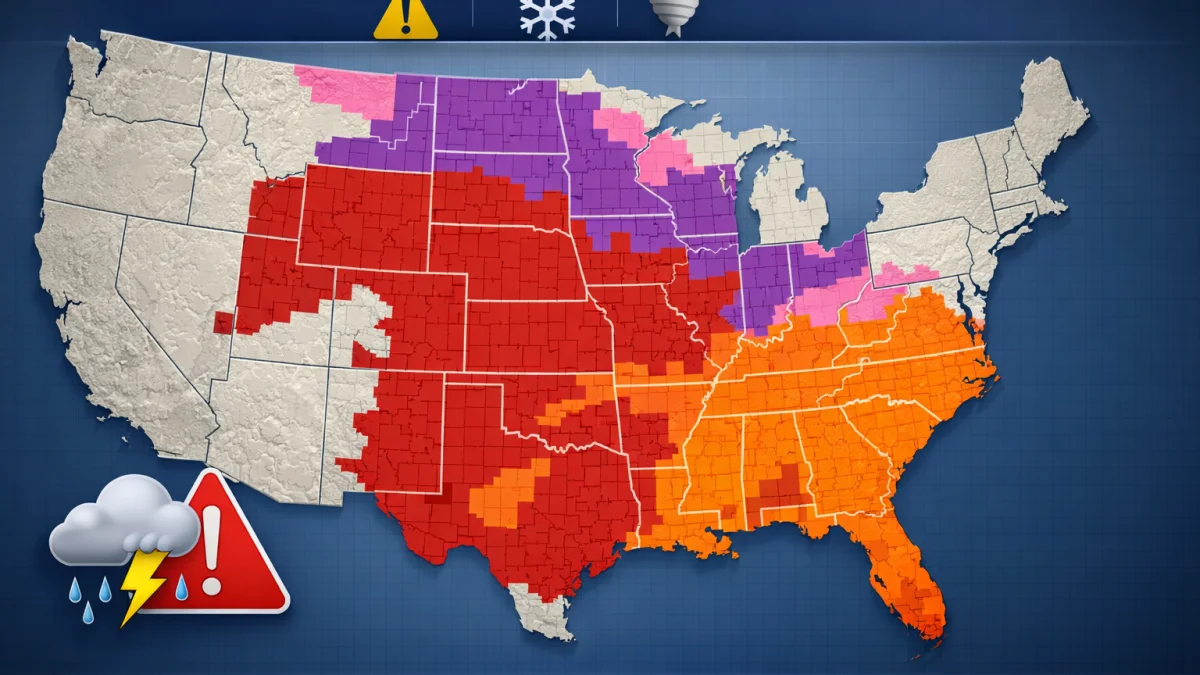


WASHINGTON — U.S. authorities issued severe weather alerts, including excessive heat warnings and thunderstorm watches, affecting tens of millions of Americans as a combination of high temperatures and storm risks spread across multiple regions on Saturday.
The National Weather Service (NWS) and Storm Prediction Center placed large portions of the central and eastern United States under various alerts as of June 6-7, 2026. Heat advisories and warnings covered areas from the Midwest to the Northeast and parts of the South, while severe thunderstorm risks targeted the northern Plains and other zones.


Officials warned of dangerous heat indices and potential for damaging winds, hail and isolated tornadoes. The alerts come amid a period of active weather patterns that have persisted through spring and into early summer 2026.
"Residents should stay informed and take precautions to avoid heat-related illness," an NWS statement said, emphasizing the health risks posed by elevated temperatures combined with humidity.
Health authorities have highlighted risks particularly for vulnerable populations, including the elderly, children and those with preexisting conditions. Excessive heat can lead to heat exhaustion, heat stroke and other emergencies, with emergency rooms often seeing increased visits during such events.
In the northern Plains, forecasters outlined a slight risk of severe thunderstorms capable of large hail and damaging wind gusts on Sunday, June 7. Nearly 59 million people across areas including the Ohio Valley to southern New England faced threats from gusts up to 70 mph, hail up to 2 inches and isolated tornadoes, according to the Storm Prediction Center.
Broader heat alerts extended to millions more. Earlier patterns this year included heat affecting the Southwest and Northeast, with similar public health messaging. The NWS has urged hydration, limiting outdoor activity during peak heat and checking on neighbors.
The severe weather season in 2026 has already recorded high numbers of watches and warnings in several regions, including the Chicago area. Officials continue to monitor evolving conditions.
Local emergency management agencies advised residents to prepare emergency kits, secure outdoor objects and avoid travel through affected areas if possible. Updates on specific county-level alerts remain available through NWS websites and local broadcasts.
As of early June 7, no widespread reports of major disruptions or casualties directly tied to the latest alerts had been confirmed in official statements. Forecasters said conditions would be monitored closely through the weekend and into next week.