

Severe wildfires and a widening stretch of record-breaking heat are reinforcing concerns that the United States is entering another summer in which multiple climate-related hazards are interacting rather than occurring in isolation, placing increasing pressure on emergency services, public health systems and critical infrastructure.
The latest developments matter not only because of the immediate destruction caused by active fires and dangerous temperatures, but also because they illustrate how prolonged drought, persistent heat and changing weather patterns can combine to amplify risks across large regions simultaneously. Federal agencies have warned that above-normal wildfire potential and elevated heat risks are expected to persist across much of the West, Great Basin, Rockies and parts of the central and southeastern United States through mid-July.


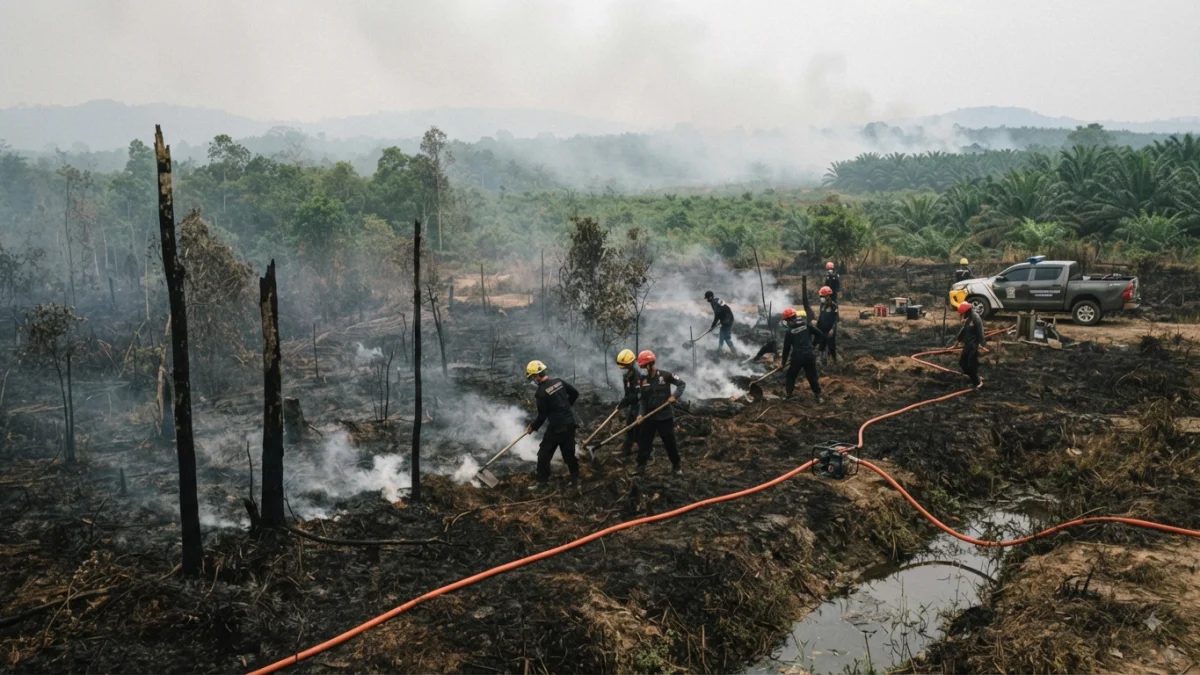
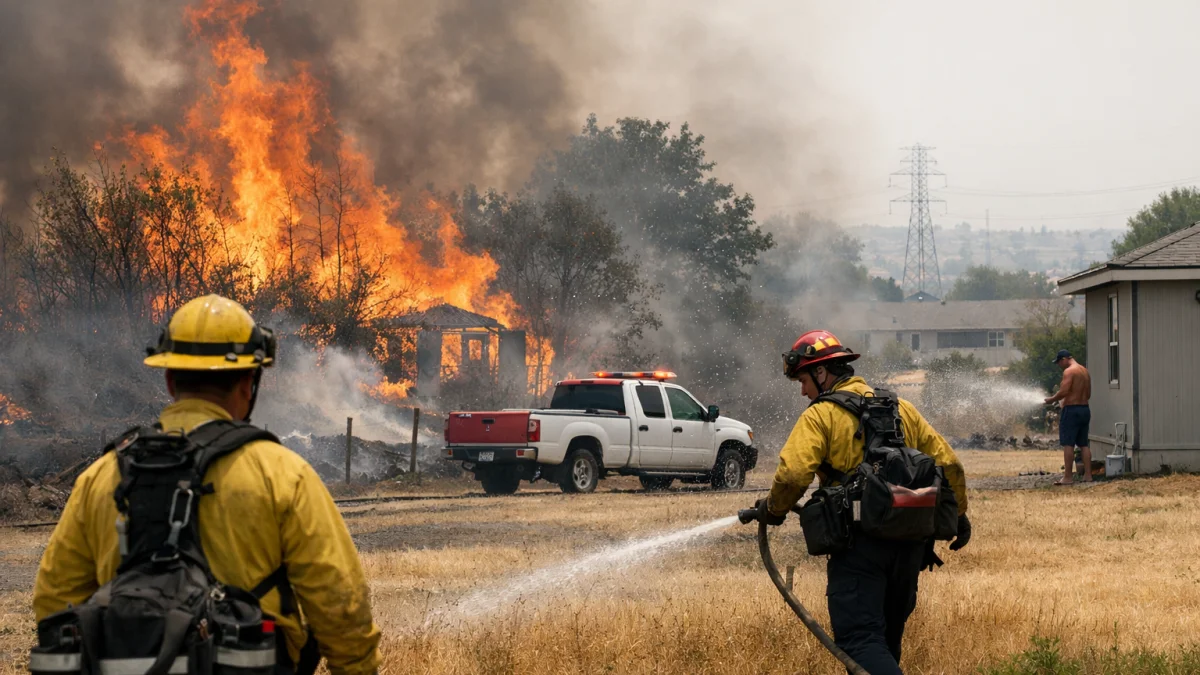
The National Interagency Fire Center has reported that firefighters are battling dozens of large wildfires nationwide while millions of acres have already burned in 2026. The agency has maintained an elevated national preparedness level, reflecting substantial demand for firefighting resources and the possibility that new lightning-caused ignitions could further stretch personnel and equipment. Federal fire officials have also highlighted continued evacuations and episodes of extreme fire behavior in several geographic regions.
Meteorologists have warned that an expansive heat dome is expected to bring temperatures well above seasonal averages across much of the continental United States, with unusually warm overnight conditions limiting opportunities for people and infrastructure to recover from daytime heat. Public health experts have long regarded elevated nighttime temperatures as particularly dangerous because they increase cumulative heat stress, especially for older adults, outdoor workers and people without access to air conditioning.
The convergence of heat and wildfire risk reflects broader climatic conditions that have developed over recent months. According to the National Oceanic and Atmospheric Administration, the western and southwestern United States experienced their warmest January-through-June period on record while precipitation remained well below average across many drought-affected areas. NOAA's climate assessments also indicate that drought is likely to persist or expand across portions of the Northwest, Rockies and Plains, conditions that increase the availability of dry vegetation capable of sustaining rapid fire growth.
Scientists emphasize that individual wildfire outbreaks or heat waves cannot automatically be attributed to climate change alone. However, a substantial body of peer-reviewed research has concluded that rising global temperatures increase the likelihood and intensity of extreme heat while drying vegetation in many regions, creating conditions that can support larger and more severe wildfires. Weather patterns, including developing El Niño conditions, may also influence seasonal temperature and precipitation, although researchers note that natural variability operates alongside the long-term warming trend.
The economic implications extend well beyond areas directly affected by flames. Large fires disrupt transportation corridors, electricity transmission, tourism, agriculture and insurance markets. Smoke can travel hundreds or even thousands of miles, reducing air quality far from fire zones and creating health risks for communities that experience no direct fire damage. Heat simultaneously increases electricity demand as households and businesses rely more heavily on air conditioning, placing additional strain on power systems during periods of peak consumption.
Emergency management agencies increasingly face the challenge of responding to overlapping hazards rather than isolated disasters. Fire crews may contend with rapidly changing winds, prolonged heat exposure and resource shortages while public health officials issue heat advisories, open cooling centers and monitor hospitals for heat-related illnesses. These concurrent demands complicate planning and resource allocation, particularly when multiple states require federal assistance at the same time.
Recent federal outlooks underscore that wildfire risk is becoming less confined to traditional fire seasons or historical hotspots. National fire assessments have projected above-normal significant wildfire potential across broad portions of the Northwest, Great Basin, southern Rockies and other regions, reflecting persistent drought, reduced snowpack and dry fuels. Officials have repeatedly urged communities to prepare for extended fire activity rather than isolated incidents.
The current situation also illustrates the growing importance of forecasting and monitoring technologies. Satellite observations, seasonal climate outlooks and predictive fire models are increasingly used to identify areas of heightened risk before fires ignite or expand. NOAA satellites continue to track active wildfire outbreaks across the western United States, providing data that support firefighting operations and emergency management decisions.
Federal agencies continue to monitor the evolution of the heat wave, drought conditions and wildfire activity as the summer progresses. While forecasts indicate continued elevated risks across large portions of the country, the timing and severity of future fire outbreaks will depend on evolving weather patterns, including wind, precipitation, lightning activity and temperature trends. Officials are also watching whether prolonged heat and dry conditions further increase fire potential in regions already experiencing significant strain on emergency response resources.