

LONDON — Strategic petroleum reserves drawn down during disruptions to shipping through the Strait of Hormuz are expected to take months to rebuild, even as oil flows gradually resume following a U.S.-Iran agreement to reopen the waterway, according to analysts, industry officials and policymakers.
The Strait of Hormuz, a key route for global energy shipments, reopened this week under a preliminary agreement between Washington and Tehran aimed at ending months of conflict and restoring commercial traffic, officials from both countries said. The reopening has eased concerns about immediate supply shortages and contributed to lower oil prices, according to market data and industry assessments.


However, analysts said the return of normal oil movements and the replenishment of emergency stockpiles will not be immediate. Banks and energy market specialists told Reuters that oil production, exports and logistics networks disrupted during the conflict could require several months to recover fully.
“Even if the Strait of Hormuz were to become navigable again soon, it will take months for the oil supply to return to normal,” European Central Bank policymaker Joachim Nagel said on Monday, according to Reuters.
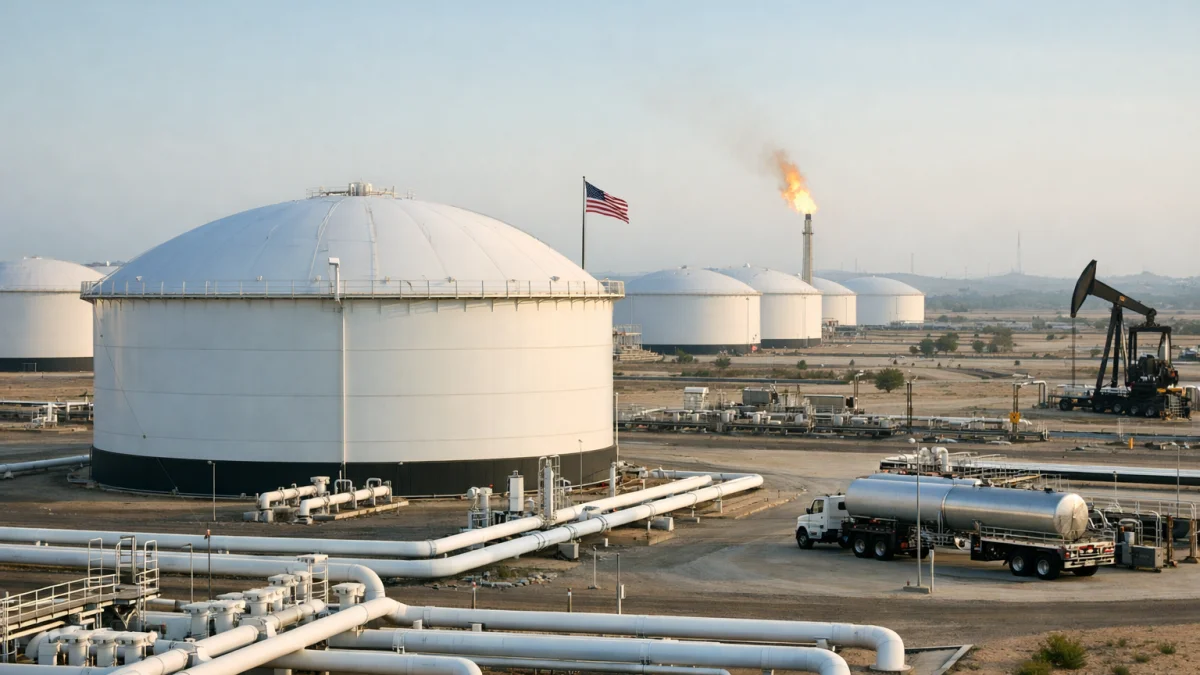
During the disruption, governments and consumers relied on strategic reserves and stored inventories to offset reduced supplies. The extent of reserve drawdowns varies by country, and officials in several jurisdictions have not released updated figures. Details on the pace and scale of future replenishment plans remain unclear.
Industry executives said millions of barrels that were stranded in the Gulf region could now enter international markets as shipping resumes. Producers in the Middle East have begun preparing additional exports, while some force majeure declarations have been lifted, according to industry sources and shipping data.
Shipping companies and maritime security specialists cautioned that logistical challenges remain. Mine-clearing operations, insurance concerns and new transit requirements announced by Iran could continue to affect vessel traffic, they said. Maritime security sources told Reuters earlier this week that efforts to ensure safe passage through the strait could take several weeks.
Iranian authorities have said commercial vessels are again permitted to use the waterway under the terms of the agreement, while U.S. officials have described the reopening as a key element of broader efforts to stabilize energy markets.
As of Friday, tanker traffic through the strait had increased from recent lows, although shipping volumes remained below levels seen before the disruption, according to vessel-tracking data and industry reports. Officials and market participants said reserve replenishment efforts are expected to continue as supply flows gradually normalize.