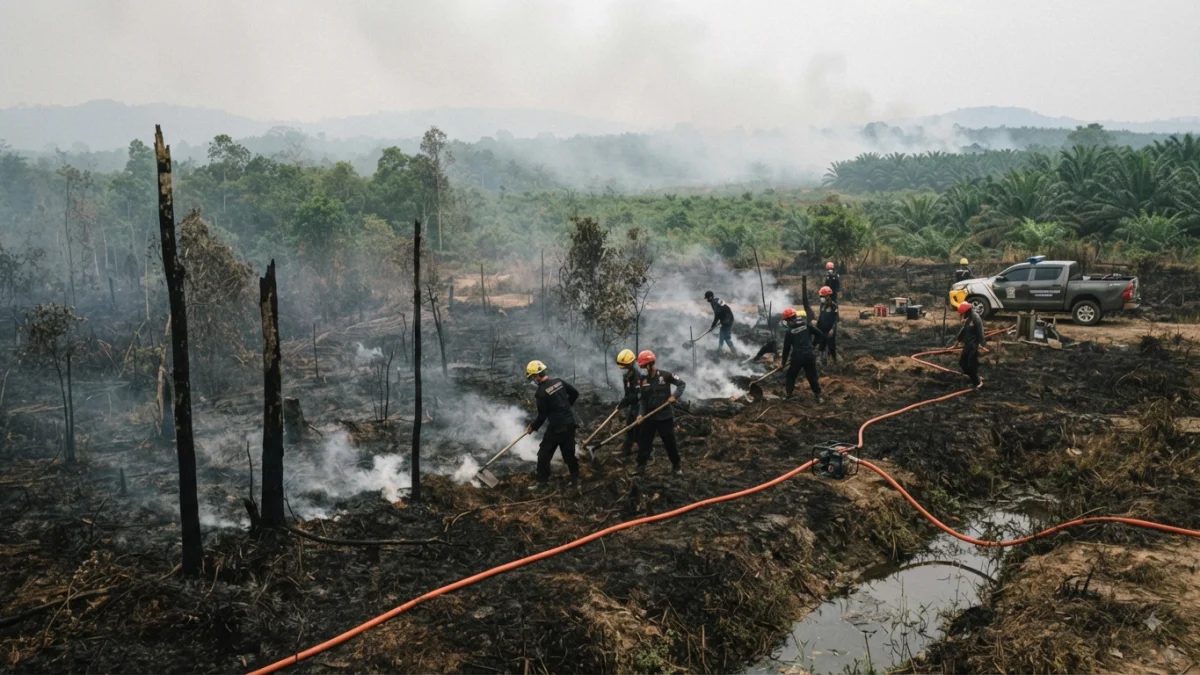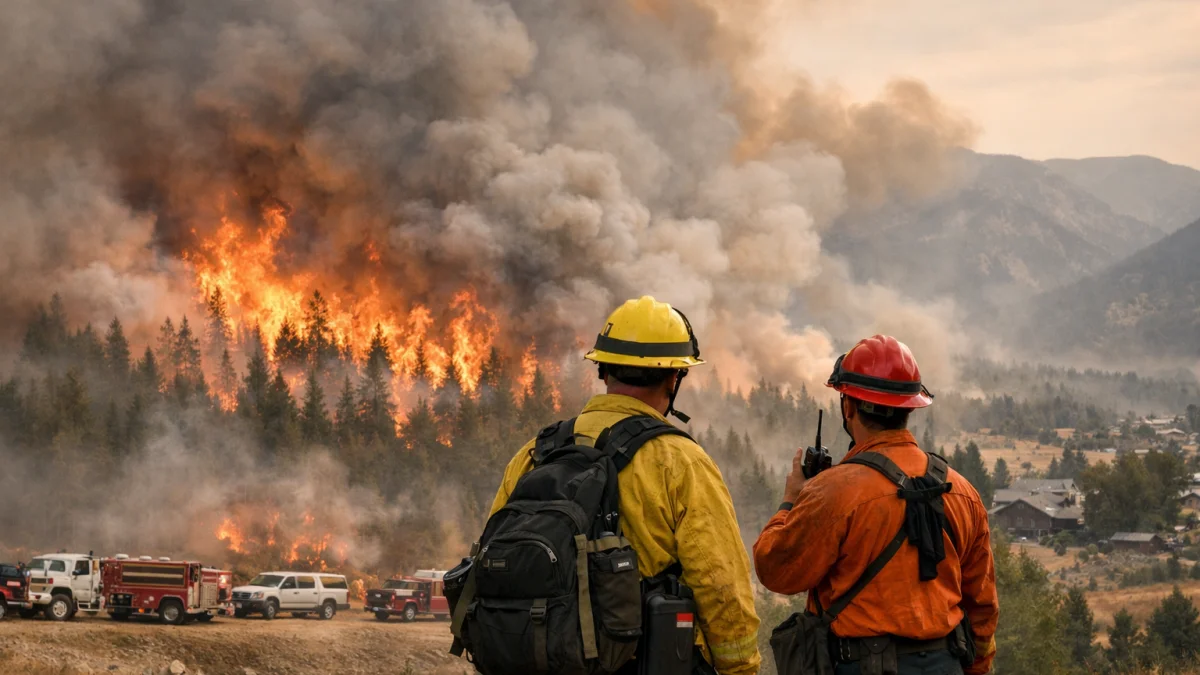


WASHINGTON — A new study has found that the number of hours with weather conditions favorable for wildfires across North America has increased by 36 percent since 1975, researchers reported.
The analysis, published in the journal Science Advances, examined trends in potential burning hours from 1975 to 2024. It attributed the rise primarily to a weakening of the normal daily cycle in which cooler, more humid nighttime conditions previously limited fire activity.


Researchers from institutions including those contributing to the study documented pronounced increases in western regions of North America. The findings are based on fire weather data showing that fires are now more likely to remain active overnight, extending burning periods.
The study builds on broader observations of lengthening wildfire seasons linked to climate trends. Scientists have noted warmer temperatures and drier conditions contributing to extended periods of elevated fire risk in recent decades. Details on the precise contribution of specific factors to the 36 percent figure remain tied to the modeled fire weather metrics used in the research.
"Spanning recent observations... our analysis reveals a key mechanism driving North American wildfires," the study authors stated, highlighting the role of reduced nighttime weather constraints.
Fire management officials and climate researchers have pointed to similar patterns, with wildfire seasons starting earlier and lasting longer in many areas. The U.S. Forest Service and other agencies track these changes as they affect suppression efforts and resource allocation.
The research comes amid ongoing wildfire activity in 2026, with forecasts indicating above-average potential in parts of the continent. No single event is directly linked to the long-term trend, but the data underscores challenges for land managers.
As of mid-June 2026, the study provides updated quantification of changes in fire weather potential. Further research is expected to examine implications for ecosystems, communities and firefighting strategies. The full paper is available through the journal, with data covering the half-century period.