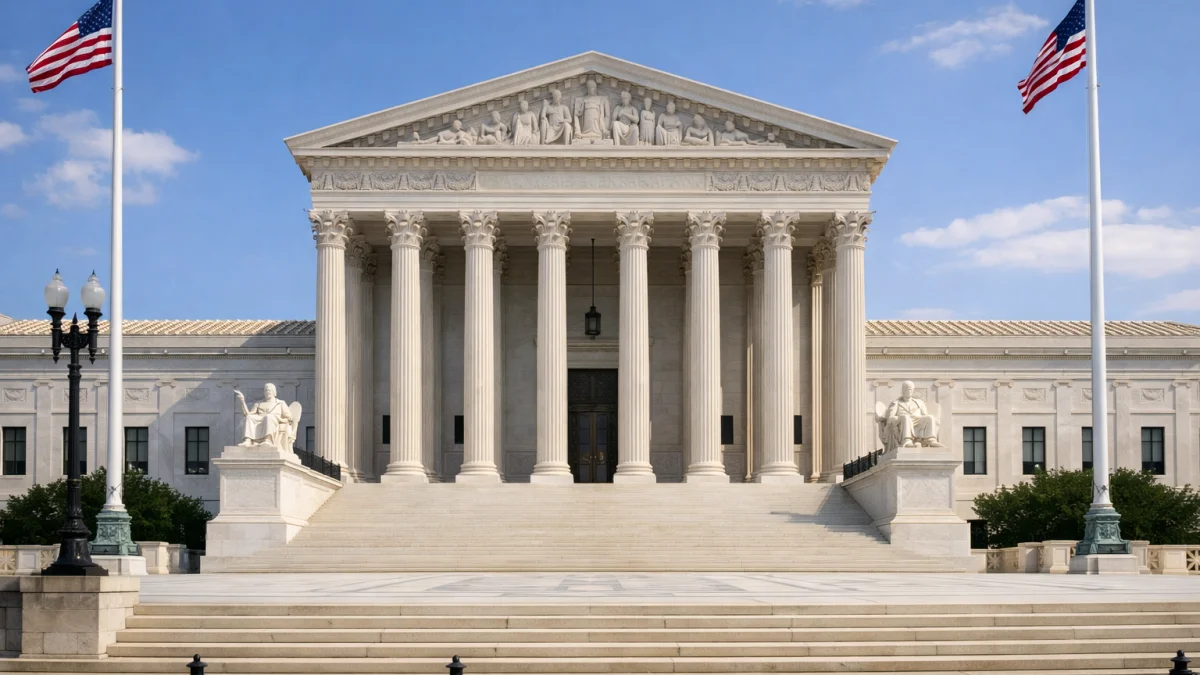


WASHINGTON — The U.S. Supreme Court is expected to issue rulings on several significant copyright cases in its current term, including matters involving internet service provider liability and emerging issues around artificial intelligence, legal experts said.
The court has already delivered one major decision in March, ruling unanimously in *Cox Communications, Inc. v. Sony Music Entertainment* that an internet service provider cannot be held contributorily liable for copyright infringement by subscribers solely for continuing to provide service after receiving notices of alleged piracy. The ruling reversed a lower court decision and limited the scope of secondary liability for ISPs.


Oral arguments in the Cox case were held in December 2025. The decision has drawn attention from technology companies and copyright holders, with the music industry arguing for stronger enforcement tools against online infringement.
Another closely watched matter involved *Thaler v. Perlmutter*, in which the court denied certiorari in March, leaving intact lower court rulings that works generated solely by artificial intelligence cannot receive copyright protection because they lack human authorship. The U.S. Copyright Office had refused to register an image created by Stephen Thaler's AI system.
The rulings come as courts grapple with the intersection of copyright law and rapidly advancing technology. Copyright owners, including major record labels, have sought to hold platforms and service providers accountable for user-generated infringement, while technology firms emphasize the need to avoid overly broad liability that could disrupt internet services.
"These cases highlight the challenges in applying traditional copyright principles to modern digital environments," said one intellectual property attorney following the decisions, though broader implications for enforcement practices continue to be debated.
Additional copyright-related petitions remain pending before the court, with potential for further action in the term. Legal observers note that questions around fair use, damages and platform responsibilities could see continued litigation in lower courts following the recent Supreme Court guidance.
The Supreme Court's copyright docket reflects ongoing tensions between protecting creative works and fostering innovation in digital spaces. Earlier decisions, such as those on damages timing and fair use in visual arts, have shaped the landscape in recent years.
As of Monday, no additional opinions on copyright matters had been scheduled for immediate release. The court typically concludes its term in late June or early July, with any remaining cases from the 2025-2026 term expected to be addressed before the summer recess. Further details on pending petitions were not immediately available from the court.