

Sweden is moving to lower the age of criminal responsibility from 15 to 14 for certain serious offences, marking a significant shift in the country's response to gang-related violence involving increasingly younger suspects. But as of Aug. 14, the measure remains a legislative proposal rather than a change already in force, with the government proposing that the new rules take effect on Sept. 10, 2026.
The change matters because it represents a broader recalibration of Sweden's criminal justice policy toward minors. The government says organised crime has increasingly drawn children into serious offending and that suspects in fatal shootings have become younger. The proposal would allow 14-year-olds to be subject to criminal sanctions for offences carrying a minimum sentence of at least four years, including murder, aggravated rape, kidnapping and aggravated weapons offences. The lower threshold would apply for five years before being evaluated.


The proposal follows an earlier and more controversial attempt to go further. In April, the government proposed lowering the threshold to 13 for the same category of serious crimes. That plan was withdrawn in June after the government concluded it did not have sufficient parliamentary support. Justice Minister Gunnar Strömmer then announced the revised 14-year proposal.
That political sequence highlights the balance the government is attempting to strike. Sweden's centre-right government has made tougher action against organised crime a central policy priority, while the use of criminal sanctions against very young children has raised questions about proportionality, rehabilitation and the effectiveness of punishment. The revised proposal narrows the age reduction to 14, while retaining broader measures designed to increase penalties for older young offenders.
The government proposal would also substantially reduce the existing sentencing discounts for offenders under 18 and abolish the youth reduction for those aged 18 to 20. For offences committed before the age of 18, the maximum prison sentence would rise from 14 to 18 years. Youth supervision would also become more restrictive, including expanded house-arrest requirements and powers to prohibit offenders from entering specified areas.
Official crime research provides part of the evidence behind the policy shift, but it also illustrates why the issue is more complicated than simply imposing tougher penalties. Sweden's National Council for Crime Prevention, Brå, reported that the number of suspected offences involving children under 15 doubled over the past decade. The increase was concentrated mainly in offences such as assault, theft, unlawful threats and non-sexual molestation.
Brå's research also found that serious offending among children under 15 is strongly associated with broader social and personal risk factors. In its study of 430 children investigated for serious offences, nine out of 10 had previously been known to social services. Nearly half had a previously diagnosed psychiatric disorder, while children linked to criminal networks were more likely to have committed violent or weapons-related offences and to have acted alongside older offenders.
Those findings support the government's argument that the criminal justice system needs a response when children commit exceptionally serious crimes, but they also underline the importance of prevention and rehabilitation. The government's own proposals acknowledge that policing and punishment alone cannot address recruitment into criminal networks. In July, it separately proposed tougher penalties for adults who involve minors in criminal activity, including a proposed new offence carrying two to eight years in prison.
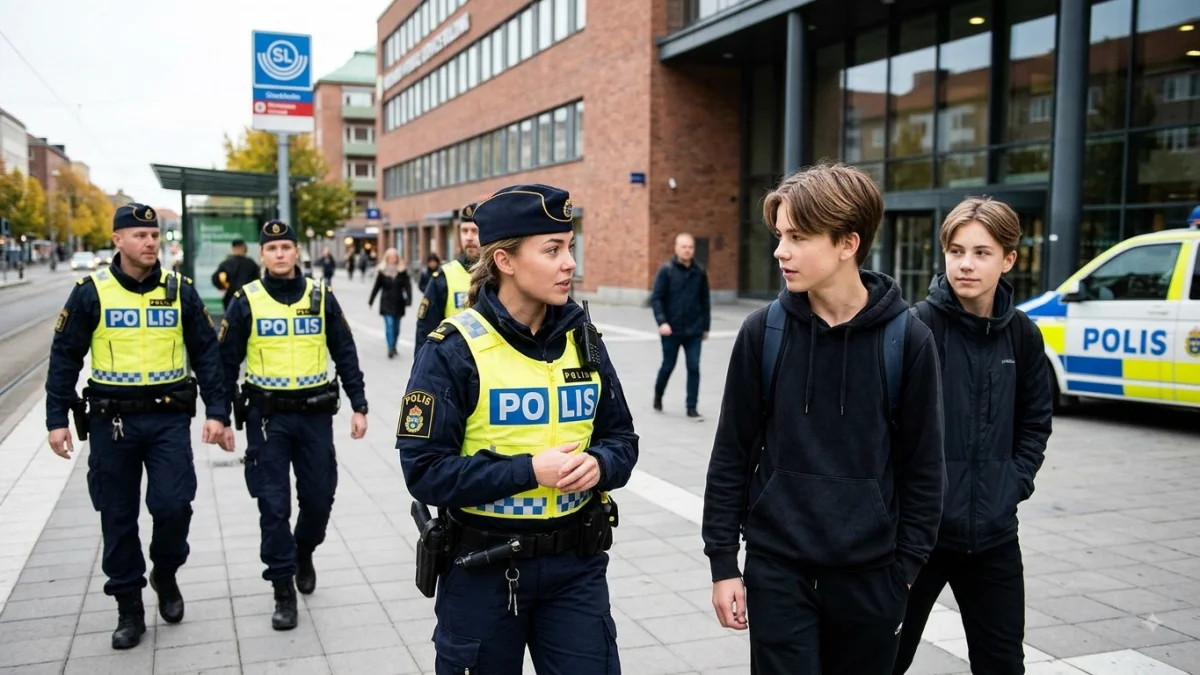
The debate also reflects a change in the nature of Sweden's gang problem. Authorities have increasingly focused on the recruitment of minors to carry out serious offences, while official research indicates that children connected to criminal networks often have older co-offenders and extensive prior contact with social services. This has shifted part of the policy discussion from youth crime generally toward the organised recruitment and exploitation of children.
The practical consequences will depend on how the new framework is implemented. The government has proposed measures intended to preserve a distinction between children and adults, including special treatment within the youth justice system and continued emphasis on rehabilitation. At the same time, the expansion of criminal responsibility creates additional demands on prosecutors, courts, correctional authorities and social services.
The confirmed position as of Aug. 14 is therefore one of pending legal change, not a completed reduction already operating nationwide. Parliament is considering the government's July proposal, which would lower criminal responsibility to 14 for specified serious offences for five years, alongside wider sentencing reforms. The government and relevant authorities are also monitoring how younger children become involved in organised crime and how the justice and social-service systems can respond.