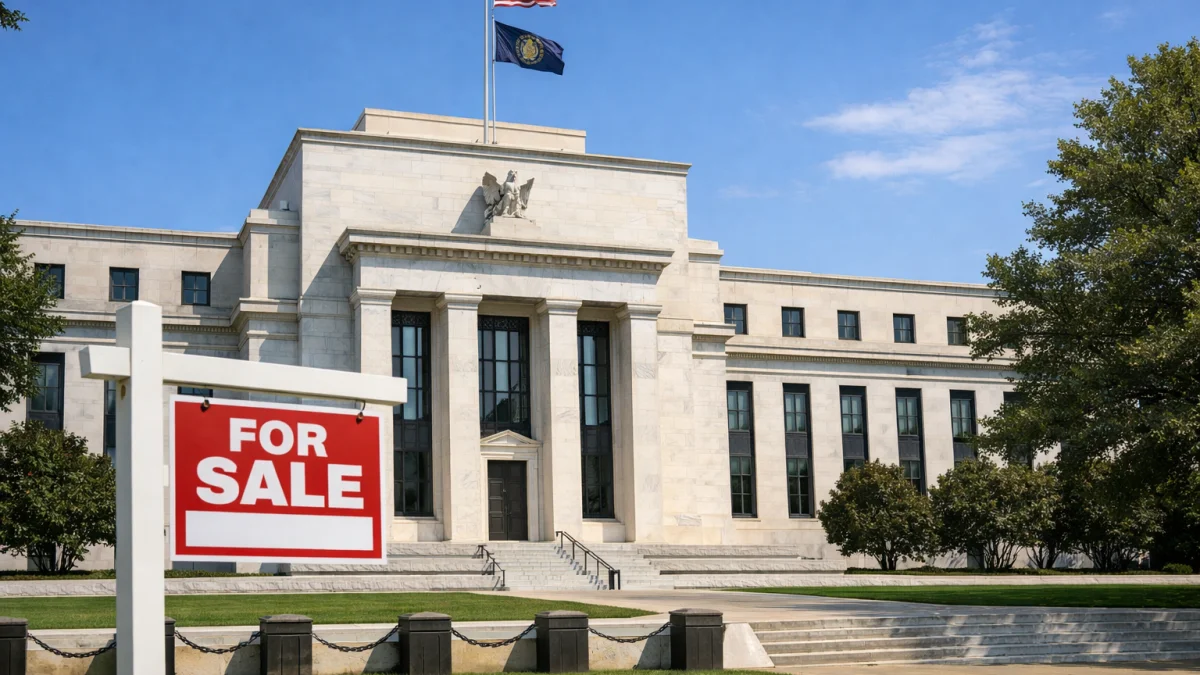


WASHINGTON — The average rate on a 30-year fixed-rate mortgage remained in the mid-6% range in June as the U.S. housing market entered its peak summer buying season, with borrowing costs continuing to shape affordability for prospective homebuyers.
Freddie Mac said its Primary Mortgage Market Survey showed the average 30-year fixed-rate mortgage stood at 6.47% for the week ending June 18, down slightly from 6.52% a week earlier. Other industry surveys conducted this week placed the average rate at about 6.6%, including estimates near 6.63%, reflecting modest fluctuations among lenders and borrower profiles.


The housing market typically experiences its busiest period during late spring and summer, when families seek to complete purchases before the start of a new school year. Despite mortgage rates remaining well above levels seen during the pandemic era, recent data suggest many buyers have continued to enter the market as inventory improves and rates stabilize.
“The 30-year fixed-rate mortgage decreased this week averaging 6.47%,” Freddie Mac Chief Economist Sam Khater said in a statement released on June 18. “Incoming data continues to reflect a resilient consumer, with retail sales improving and pending home sales strengthening, suggesting purchase demand is continuing to modestly improve.”
According to Freddie Mac, the average 30-year mortgage rate remains below the level recorded at the same time a year ago, when it stood above 6.8%. The average 15-year fixed-rate mortgage was 5.81% during the latest survey period.
Housing economists have said that while borrowing costs remain elevated compared with historical lows reached in 2020 and 2021, some buyers appear to be adjusting to a market where mortgage rates are expected to remain above 6% for the near term. Industry groups have also reported increased housing inventory in several regions, providing more options for purchasers.
Mortgage rates are influenced by a range of factors, including Treasury yields, inflation expectations and broader economic conditions. The Federal Reserve does not directly set mortgage rates, but its interest-rate policies can affect borrowing costs across financial markets.
Recent mortgage applications and pending home sales data indicate that demand has remained relatively steady despite affordability pressures, according to housing market reports cited by Freddie Mac and other industry observers.
As of late June, mortgage rates continued to move within a narrow range, and no major shift in lending conditions had been announced by federal housing agencies or mortgage market participants.