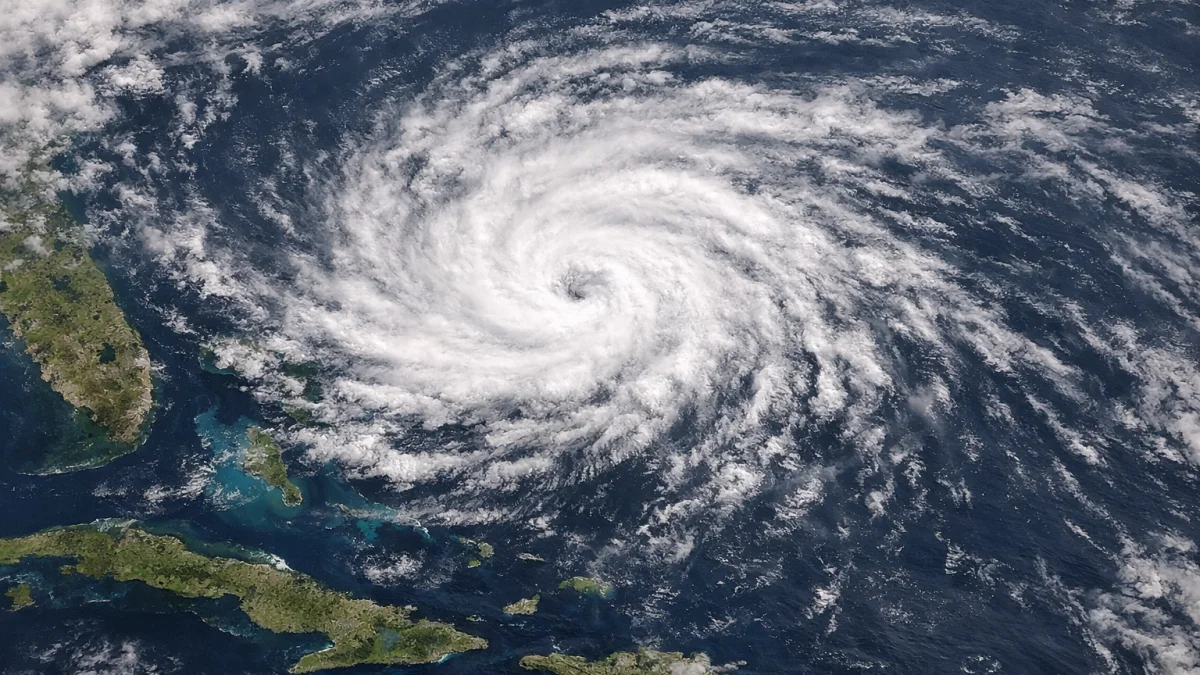


MIAMI — Tropical Storm Arthur formed in the Gulf of Mexico this week as the first named storm of the 2026 Atlantic hurricane season, bringing heavy rain and flooding threats to parts of the U.S. Gulf Coast before weakening after landfall, according to the U.S. National Hurricane Center (NHC).
The NHC designated Arthur as a tropical storm on Wednesday after a developing system near the Texas coast reached sustained winds above tropical-storm strength. At the time it was named, Arthur was located near the upper Texas coast and carried maximum sustained winds of about 40 to 45 mph (65 to 72 kph), forecasters said.


Authorities issued tropical storm warnings along portions of the Texas and Louisiana coastline as the system moved northeastward. While forecasters said significant strengthening was not expected, the storm posed a substantial flooding risk because of the large volume of tropical moisture associated with the system. The NHC warned of rainfall totals of 5 to 10 inches (13 to 25 cm) across parts of the Gulf Coast, with isolated areas potentially receiving considerably higher amounts.
“Tropical Storm Arthur is expected to produce rainfall totals of 5 to 10 inches, with isolated higher totals near 20 inches,” the National Hurricane Center said in an advisory issued after the storm formed.
Arthur made landfall along the Texas coast later on Wednesday before weakening rapidly. By Wednesday night, the NHC said the system had degenerated into a low-pressure area, prompting the discontinuation of coastal tropical storm warnings. Despite the weakening, officials emphasized that the flooding threat would continue across parts of Texas, Louisiana, Mississippi, Alabama and the Florida Panhandle.
Emergency management agencies in several Gulf Coast states distributed sandbags, cleared drainage systems and urged residents to monitor local forecasts. The National Weather Service issued excessive-rainfall outlooks for portions of the central Gulf Coast as bands of heavy rain spread inland. Forecasters also warned of possible tornadoes in some areas affected by the storm’s outer rain bands.
Arthur’s formation came near the historical average date for the Atlantic season’s first named storm. The Atlantic hurricane season officially began on June 1 and runs through Nov. 30. Earlier preseason outlooks from federal forecasters projected a relatively moderate season compared with recent years, though officials stressed that a single storm can still produce significant impacts.
By Thursday, Arthur was no longer classified as a tropical storm, but its remnants continued to generate heavy rainfall across portions of the southeastern United States. Federal and state officials said flood risks remained the primary concern as emergency crews monitored waterways and responded to weather-related incidents.