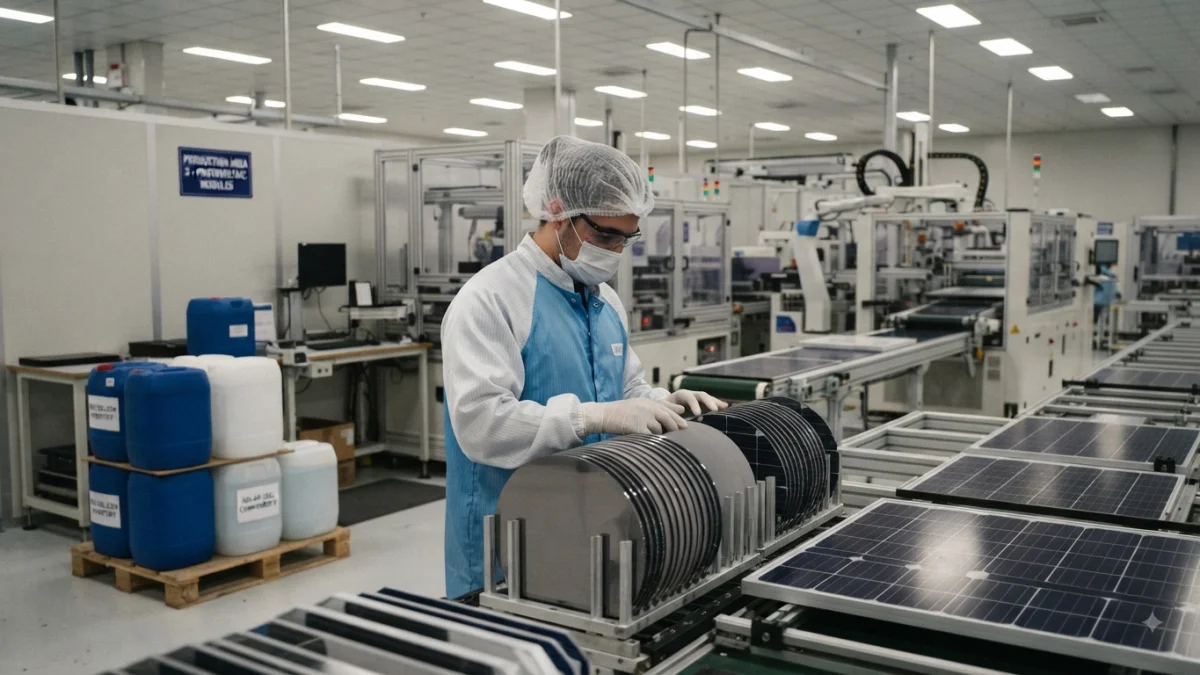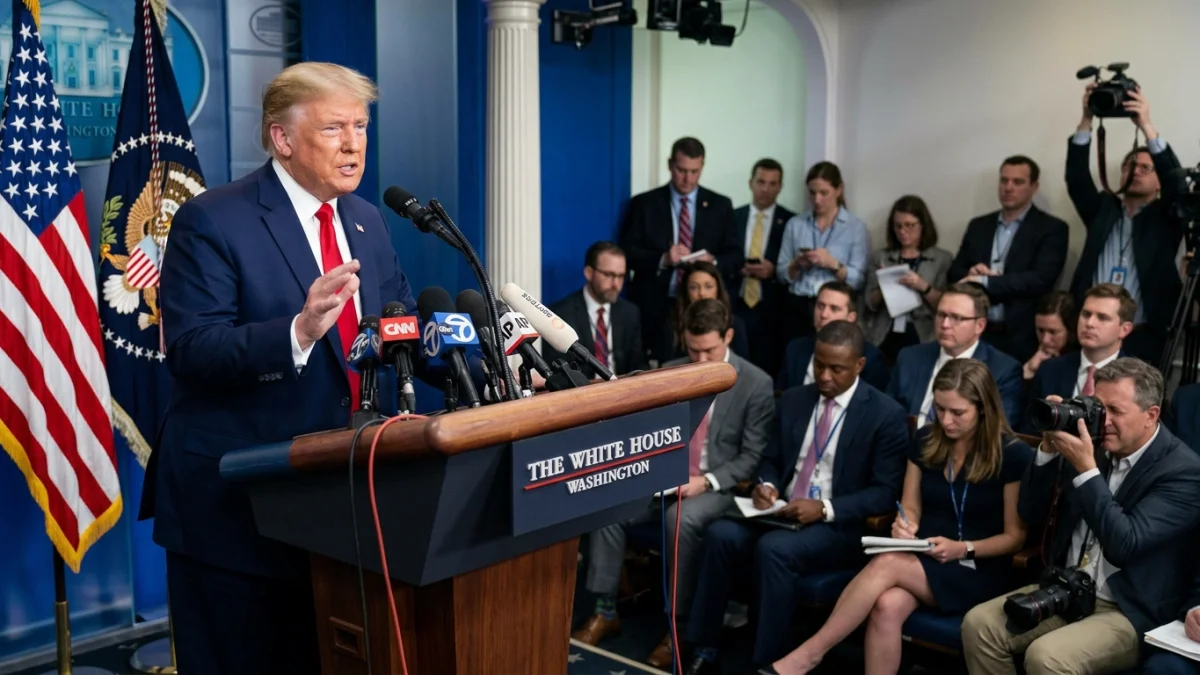


WASHINGTON — U.S. President Donald Trump has imposed a 15% tariff on imported products made from polysilicon, a key raw material used in semiconductors and solar panels, as part of a broad effort to reduce U.S. reliance on Chinese-controlled supply chains and expand domestic manufacturing of strategic materials.
The White House announced the measure on Thursday following a national security investigation conducted under Section 232 of the Trade Expansion Act of 1962, which concluded that heavy dependence on imported polysilicon and related products could threaten U.S. national security. The tariff will take effect on Dec. 4.


In addition to the tariff, the administration established minimum import prices for polysilicon and several downstream products, including wafers, solar cells and solar modules. The administration said the combined measures are intended to counter what it described as unfair pricing and excess production capacity, particularly from China, while encouraging investment in U.S. manufacturing.
The White House said the policy is designed to strengthen domestic supply chains that support semiconductor production, artificial intelligence infrastructure and renewable energy manufacturing. Commerce officials concluded that maintaining a viable domestic polysilicon industry is important for both economic resilience and national security.
The United States currently has only a small number of major polysilicon producers, including facilities operated by Hemlock Semiconductor in Michigan and Wacker Chemie in Tennessee. Several U.S.-based manufacturers, including solar companies, welcomed the action, saying it would support investment and improve the competitiveness of domestic production.
Some industry groups, however, had urged the administration to implement the measures sooner, warning that the delay before the Dec. 4 effective date could allow a surge of imports before the new restrictions take effect. According to people familiar with the discussions, the administration decided to retain the original implementation schedule despite those requests.
China criticized the move, describing it as protectionist and saying it would disrupt bilateral trade. Beijing said it would take steps to safeguard the legitimate interests of its companies, although it did not immediately announce specific retaliatory measures.
The tariff marks the latest in a series of trade actions by the Trump administration aimed at reshaping supply chains for industries it considers strategically important. Officials said the Commerce Department will also have authority to develop incentives supporting additional domestic polysilicon production and related manufacturing investment.