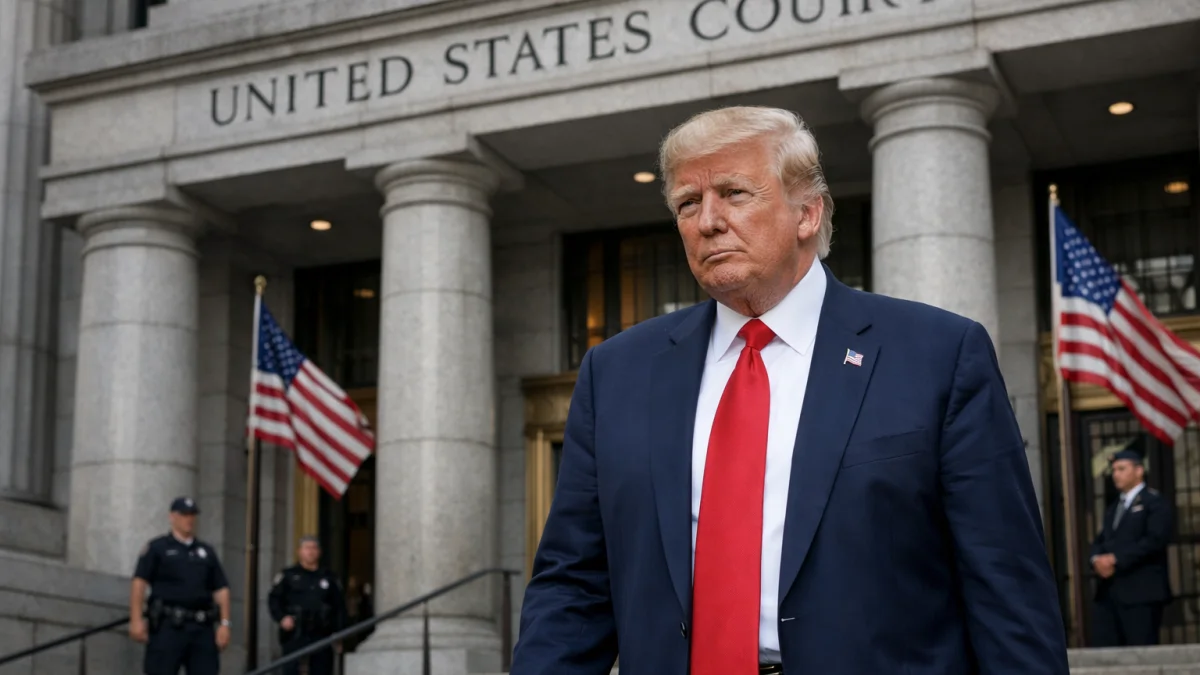


WASHINGTON — U.S. President Donald Trump and his administration reached a settlement last month in a lawsuit Trump had filed against the Internal Revenue Service (IRS), an agreement that ended the case and included provisions barring federal tax audits of Trump, members of his family and affiliated businesses for certain past tax matters, according to documents released by the Justice Department.
The lawsuit stemmed from the unauthorized disclosure of Trump’s tax records by former IRS contractor Charles Littlejohn, who previously pleaded guilty in connection with the leak. Trump, his sons and the Trump Organization had sought $10 billion in damages, alleging the government failed to protect confidential taxpayer information.


Under the settlement announced on May 18 and expanded the following day, Trump agreed to drop the lawsuit. A one-page addendum signed by Acting Attorney General Todd Blanche stated that the government would be “forever barred and precluded” from pursuing certain audits and reviews involving Trump, his relatives and related businesses concerning tax returns filed before the agreement.
The arrangement drew scrutiny because Trump was suing agencies within the executive branch while serving as president, an unusual circumstance that prompted questions from legal observers about the relationship between the parties in the case. Details of the settlement’s legal scope and long-term durability remain unclear.
Blanche defended the agreement during congressional testimony in May. According to documents released by the Justice Department, the settlement also initially involved plans for a fund intended to compensate people alleging they were harmed by what officials described as political “weaponization.” Subsequent reporting indicated that aspects of the proposed fund faced criticism and uncertainty.
Critics, including some Democratic lawmakers and former tax officials, said the audit restrictions were unprecedented and raised concerns about the independence of tax enforcement. Supporters of the settlement argued that it resolved claims arising from a confirmed breach of taxpayer confidentiality and brought an end to lengthy litigation.
“This agreement resolves the matter,” Blanche said when discussing the settlement, according to public statements released by the Justice Department.
As of June 14, the lawsuit has been dismissed, and the audit-related provisions remain in effect. Legal experts have said questions about whether the arrangement could be challenged or altered in the future have not been fully resolved.