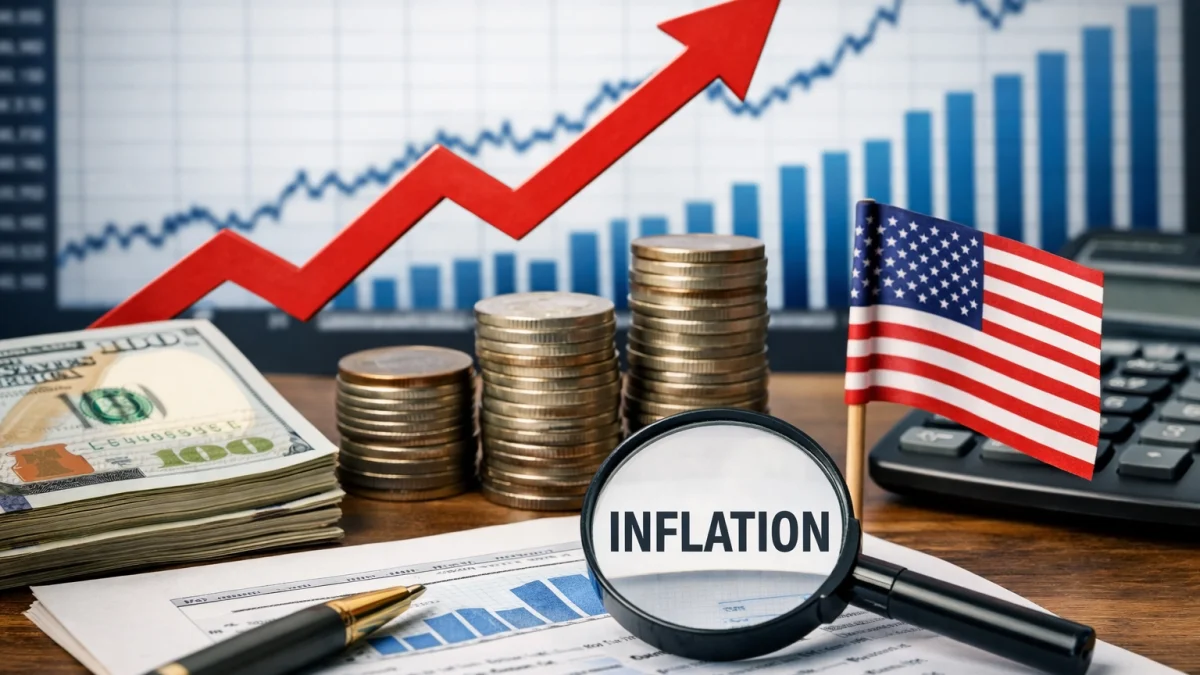


WASHINGTON — U.S. consumer prices rose in April, pushing the annual inflation rate to 3.8 percent, the highest level since May 2023, the Labor Department reported Tuesday.
The Consumer Price Index increased 0.6 percent on a seasonally adjusted basis for the month, after a 0.9 percent rise in March, according to the Bureau of Labor Statistics. The annual gain accelerated from 3.3 percent in March.


Energy prices were a major driver, jumping 17.9 percent over the 12 months ending in April. Food prices increased 3.2 percent over the year. The core index, which excludes food and energy, rose 2.8 percent annually, up from 2.6 percent the previous month.
Economists had expected the annual headline rate around 3.7 percent. The monthly increase matched forecasts, the department’s data showed.
The surge comes amid higher global energy costs linked to tensions in the Middle East. Gasoline prices rose sharply in recent months, contributing significantly to the overall increase. Shelter costs also continued to rise, though at a more moderate pace than earlier in the year.
“Inflation has picked up again due to energy costs,” said one economist familiar with the data, though specific reactions from the White House or Federal Reserve were not immediately detailed in initial reports.
The report arrives as the Trump administration continues efforts to manage economic fallout from international developments. Officials have previously pointed to supply disruptions affecting oil markets as a factor in domestic price pressures. Details on the duration or extent of those disruptions remain fluid.
Core goods and services showed mixed movements. Prices for new vehicles, communication and medical care declined in some categories, helping to offset gains elsewhere. Food at home rose modestly.
Markets reacted to the data with attention on potential implications for monetary policy. The Federal Reserve has been monitoring inflation trends closely in recent months. No immediate policy announcements followed the release.
The April figures mark the largest annual increase in nearly three years. Year-over-year comparisons reflect changes from spring 2025 levels. The index level reached 333.020 on a 1982-84=100 base.
Further data on producer prices and other indicators are expected in coming weeks. Economists will watch for signs of whether the current uptick proves temporary or more persistent. As of Tuesday, the latest status showed inflation higher than recent months but still well below peaks seen earlier in the decade.