

WASHINGTON — President Donald Trump's sweeping tax-cut and spending law marked its one-year anniversary this week, with new fiscal data showing federal revenue running roughly 5% ahead of the same period last year, according to tax analysts tracking the measure.
The One Big Beautiful Bill Act, signed by Trump on July 4, 2025, permanently extended his 2017 tax cuts, added temporary deductions for tips and overtime pay, and raised the state-and-local tax deduction cap to $40,000, according to the Bipartisan Policy Center, which published an anniversary review of the law's tax provisions on June 30.


Individual income tax receipts are up about 5% from a year earlier, driven largely by higher wages and capital gains, while corporate income tax payments have fallen roughly 30%, or about $88 billion, partly due to accelerated business deductions the law restored, the Bipartisan Policy Center said. The Congressional Budget Office's original estimate placed the law's net cost at $3.4 trillion over 10 years, a figure the center said still stands.
Several provisions took effect this year, including new work requirements for Medicaid and food-assistance recipients and the phase-out of clean-energy tax credits for home and vehicle upgrades after June 30, according to the Center for American Progress.
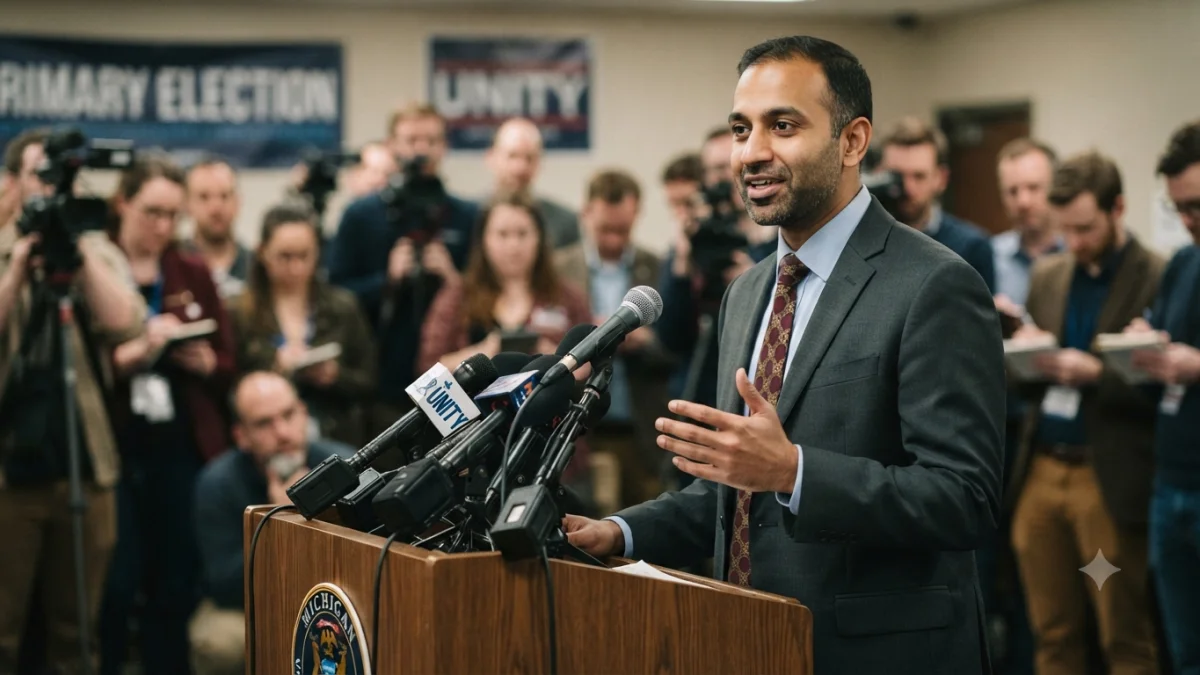
The anniversary has become a political flashpoint ahead of November's midterm elections. In Michigan on July 1, Democratic officials and the state AFL-CIO cited the law's Medicaid and food-aid changes in criticizing Republican Senate candidate Mike Rogers, according to the Michigan Advance. Republicans have defended the package as a driver of investment and wage growth.
Additional data on the law's first-year effects, including revised deficit projections, are expected from the CBO and Treasury Department in coming weeks.