

WASHINGTON — U.S. consumer prices rose at the fastest annual pace in three years in May as surging energy costs, driven by geopolitical tensions, pushed inflation higher, according to government data released on Wednesday.
The Consumer Price Index increased 0.5 percent in May after rising 0.6 percent in April, the U.S. Bureau of Labor Statistics said. Over the 12 months through May, the index rose 4.2 percent, up from 3.8 percent in the year through April and marking the highest rate since April 2023.


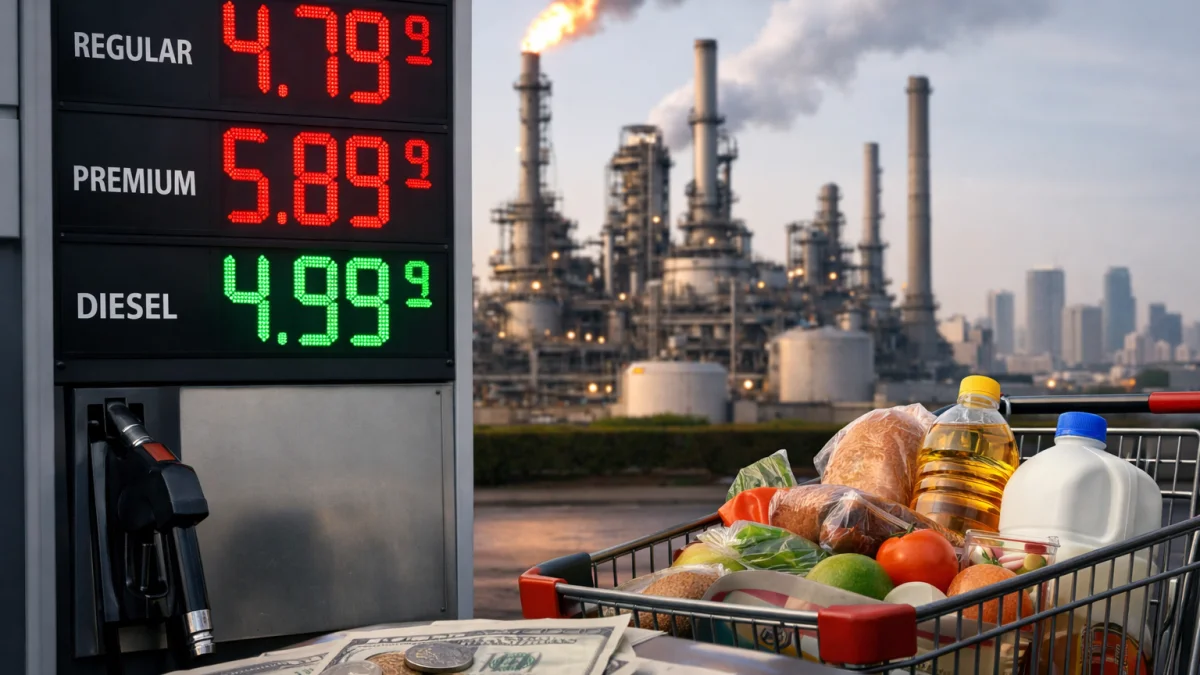
Energy prices were the main driver. The energy index climbed 3.9 percent in May and surged 23.5 percent over the past year, the BLS reported. Gasoline prices jumped 7.0 percent for the month and were up more than 40 percent from a year earlier. Fuel oil prices also rose sharply.
"Energy costs accounted for over 60 percent of the monthly increase in the all-items index," the BLS said in its report.
The report comes amid ongoing disruptions in global energy markets linked to conflict in the Middle East. Higher oil and gasoline prices have rippled through the economy, affecting transportation and other sectors.
Core inflation, which excludes volatile food and energy prices, rose 0.2 percent in May after a 0.4 percent gain the previous month. Over the year, core prices were up 2.9 percent, the highest since September 2025.
Shelter costs continued to rise, increasing 0.3 percent in May and 3.4 percent over 12 months. Food prices gained 0.1 percent for the month and 3.1 percent annually.
Economists had anticipated the headline figures. The data arrives ahead of the Federal Reserve's policy meeting next week, where officials are expected to weigh the impact of elevated energy costs on monetary policy.
The acceleration in headline inflation reflects the third consecutive monthly increase in the annual rate. Energy commodities saw particularly strong gains, with gasoline and fuel oil leading the surge.
The BLS collects price data from urban consumers across the country. The May report covers price changes through the middle of the month.
Details on the broader economic impact remain unclear as markets continue to assess the data. Federal Reserve officials have previously indicated they are monitoring inflation trends closely, particularly components affected by global events.
The Producer Price Index, which measures costs at earlier stages of production, also showed strength in May, rising 1.1 percent for the month, according to separate data.
Analysts will watch upcoming reports for signs of whether the energy-driven pressures moderate or persist into the summer months. The June CPI data is scheduled for release in mid-July.