

WASHINGTON — U.S. employers added 172,000 jobs in May, exceeding economists' expectations and signaling continued resilience in the labor market even as the Iran conflict has driven up energy prices and heightened economic uncertainty, the Labor Department reported Friday.
The unemployment rate held steady at 4.3 percent, according to the Bureau of Labor Statistics. Job gains occurred in leisure and hospitality, local government, and health care, while employment in financial activities declined.


The report comes amid pressures from the escalation in the Middle East. Disruptions linked to the conflict, including impacts on oil shipments through the Strait of Hormuz, have contributed to higher gasoline prices and broader inflationary concerns, according to multiple economic analyses.
Economists had forecast around 85,000 jobs added in May. The stronger-than-expected figure, combined with upward revisions to prior months, showed hiring picking up after slower growth earlier in the year. Over the last three months, employers added an average of about 188,000 jobs per month.
"Details on the full effects of the geopolitical situation remain under review," a Labor Department official said, noting that the data reflect conditions through May.
The labor market has shown stability despite external shocks. Wage growth moderated, with average hourly earnings rising 3.4 percent over the year, a pace that some analysts said trailed inflation. Short-term unemployment declined, though longer-term joblessness increased slightly.
The Iran conflict, which began earlier in 2026, has disrupted global energy markets and supply chains. Oil price volatility has raised costs for businesses and consumers, with U.S. gasoline prices climbing in recent months. Economists have warned of potential drags on growth, though the U.S. benefits somewhat from its position as a net energy exporter.
Federal Reserve officials have monitored the interplay between labor market strength and inflation risks. The stronger jobs data could influence expectations for interest rate decisions, though no immediate policy shifts were announced.
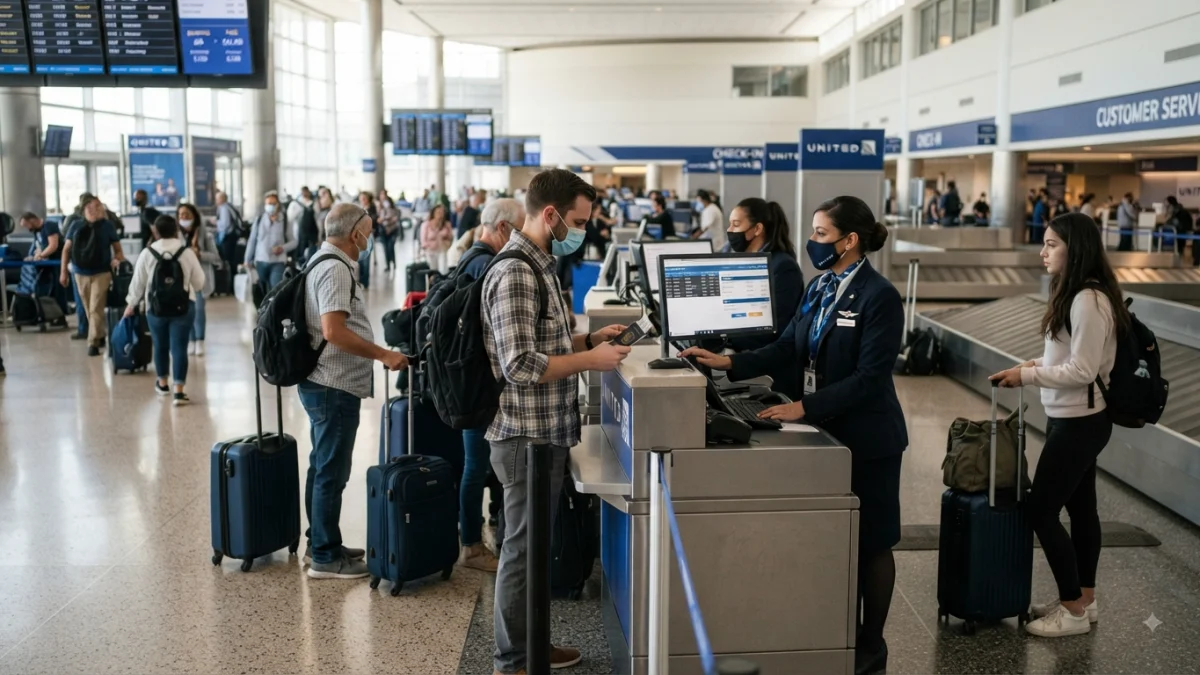
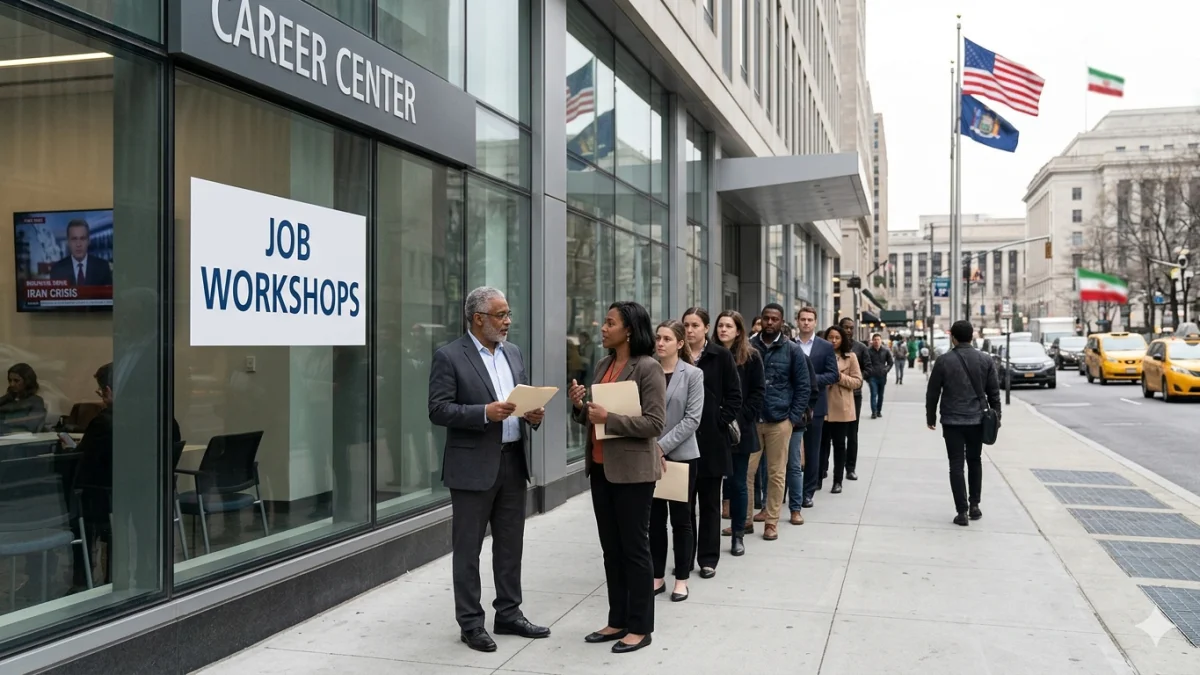
As of early June, initial jobless claims remained elevated in some weeks, reflecting ongoing adjustments. Sectors like leisure and hospitality continued to drive gains, adding tens of thousands of positions in May.
Labor Department data showed the civilian labor force grew modestly, with more people entering or re-entering the workforce. Broader measures of underemployment, such as the U-6 rate, stood around 8.1 percent in recent readings.
The report provides a snapshot of labor conditions amid global tensions. Officials have not projected long-term impacts from the conflict, citing the fluid nature of developments in the region. Further data releases, including June figures scheduled for early July, will offer additional clarity on the trajectory.