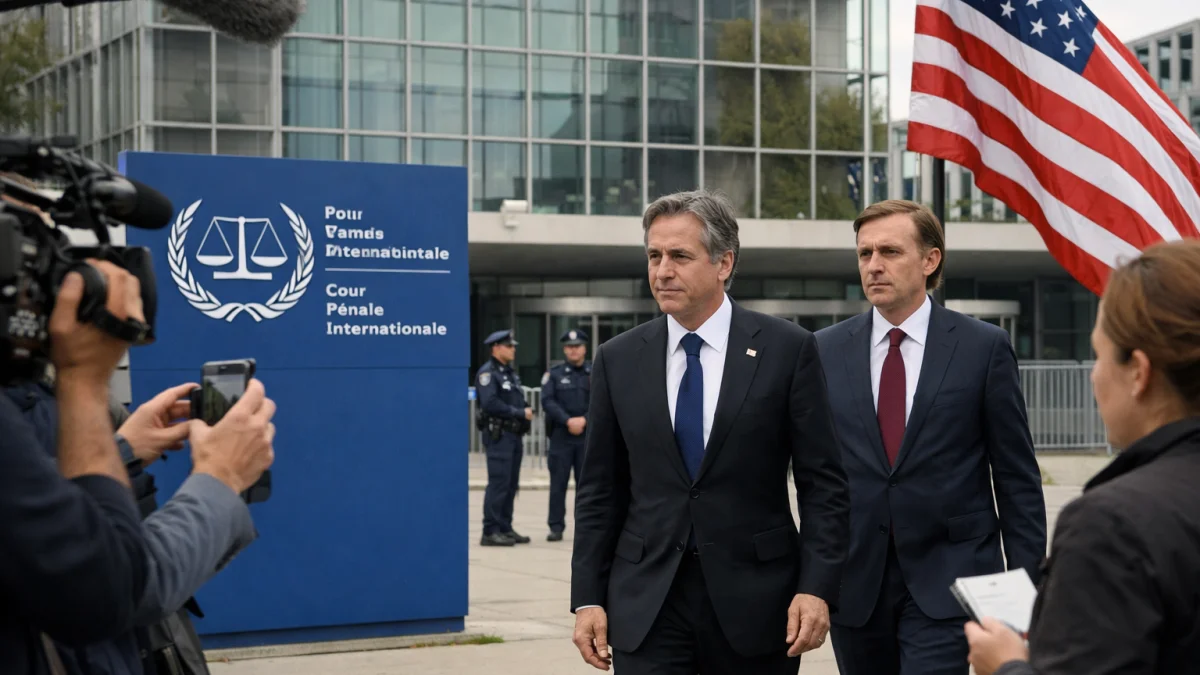


The United States' expanded campaign to pressure the International Criminal Court has become a significant test of the resilience of international legal institutions, extending a long-running dispute over the court's jurisdiction into a broader diplomatic effort aimed at limiting its global influence. The Trump administration has pledged a "whole-of-government" campaign to weaken the ICC, arguing that the court represents an illegitimate assertion of authority over U.S. citizens and allied officials, while accompanying the effort with sanctions, diplomatic pressure and warnings to governments that cooperate with the tribunal.
The latest escalation matters because it shifts the dispute beyond legal disagreement into a wider contest over the authority of multilateral institutions. While successive U.S. administrations have questioned the ICC's jurisdiction over American personnel, the current campaign seeks not only to reject the court's authority but also to discourage other states from supporting its investigations. That approach places renewed pressure on the international justice system at a time when the ICC is handling investigations and prosecutions involving conflicts across several regions.


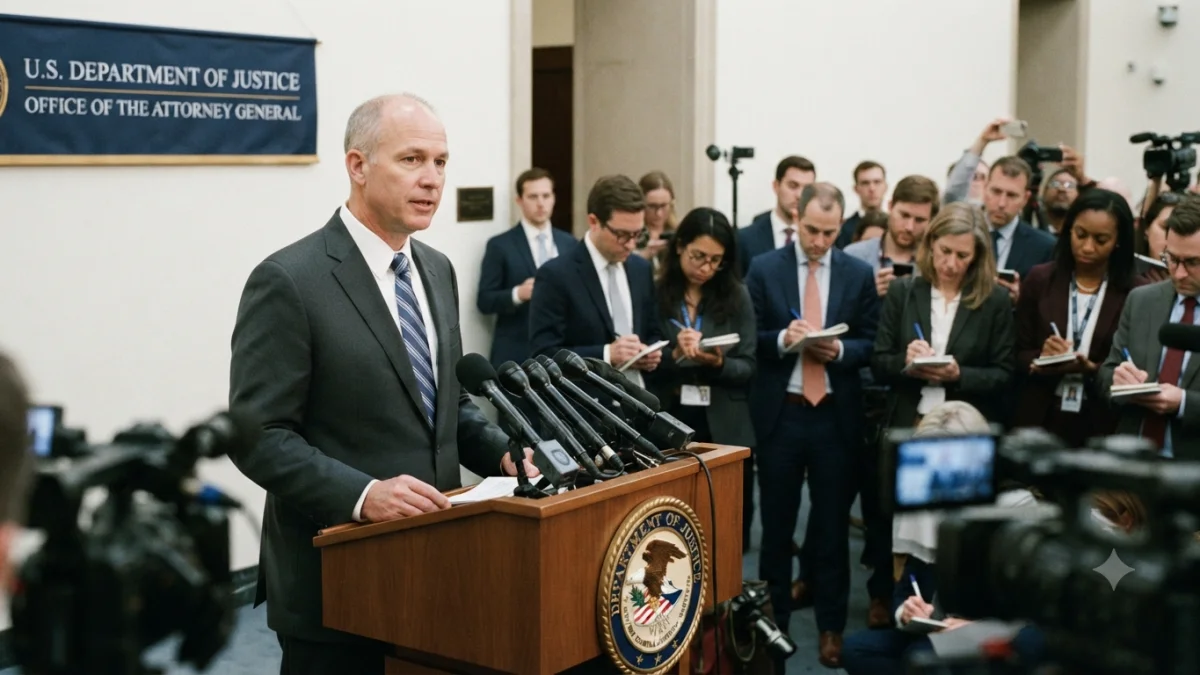
Washington's position rests on a longstanding legal argument. The United States is not a party to the Rome Statute, the treaty establishing the ICC, and maintains that international treaties cannot impose criminal jurisdiction over non-consenting states. The Justice Department recently reaffirmed that position, stating that the United States will not cooperate with ICC investigations involving Americans and will oppose efforts by other countries to transfer U.S. nationals to the court. U.S. officials also cite the American Servicemembers' Protection Act of 2002 as reflecting congressional opposition to ICC jurisdiction over U.S. personnel.
The ICC and many international law specialists distinguish between treaty membership and the court's territorial jurisdiction. Under the Rome Statute, the court may investigate alleged crimes committed on the territory of member states or in situations referred by the U.N. Security Council, regardless of the nationality of suspects in certain circumstances. That legal interpretation has underpinned investigations involving Afghanistan, Palestine and Libya, although its application remains politically contentious.
The dispute therefore reflects competing interpretations of international criminal jurisdiction rather than a disagreement over the existence of the court itself. For Washington, the issue centers on sovereignty and constitutional authority. For many ICC member states, the issue concerns the ability of an international tribunal to prosecute genocide, crimes against humanity and war crimes when national courts are unable or unwilling to do so.
The campaign also arrives during an unusually sensitive period for the court. The ICC is confronting internal challenges following allegations against Prosecutor Karim Khan, who denies wrongdoing, while member states are considering his future leadership. The Netherlands has announced support for his removal if recommended by the court's governing body, illustrating that institutional questions now coincide with external political pressure.
At the same time, the court continues its judicial work. ICC judges have recently confirmed that a Libyan suspect will stand trial on charges including murder, torture and rape, demonstrating that ongoing proceedings continue despite political and institutional pressures.
The broader implications extend beyond individual investigations. International courts depend heavily on cooperation from member states for arrests, evidence collection, financial support and enforcement of judicial decisions. Diplomatic campaigns discouraging such cooperation may therefore affect the court's practical capacity even without changing its formal legal authority. Whether governments alter their cooperation will largely determine the campaign's long-term impact.
Many U.S. allies face difficult policy choices. European governments generally support the ICC as a central institution within the post-Cold War rules-based international legal order while maintaining close security partnerships with Washington. Balancing those priorities could become increasingly complex if U.S. diplomatic pressure expands to include broader bilateral consequences for continued cooperation with the court.
Academic observers note that sanctions directed against judges and prosecutors represent an unusual form of state pressure on an international judicial institution. Recent legal scholarship argues that the response of ICC member states may prove as important as the sanctions themselves in determining whether the court's authority is strengthened or weakened over time.
Human rights organizations have criticized the U.S. campaign, arguing that it undermines international accountability mechanisms, while the administration maintains that its objective is to defend national sovereignty and protect U.S. officials from what it considers unlawful jurisdiction. Those contrasting assessments reflect a broader debate over how international criminal justice should operate when major powers reject the court's authority.
The immediate situation remains fluid. The United States continues to expand diplomatic and legal measures directed at the ICC, while the court continues its judicial proceedings and member states consider both internal governance questions and their response to external pressure. Officials and legal observers are closely monitoring whether additional governments alter their level of cooperation with the court, whether further sanctions are imposed, and how the Assembly of States Parties responds to both the court's leadership issues and the broader challenge posed by growing geopolitical pressure on one of the world's principal international criminal institutions.