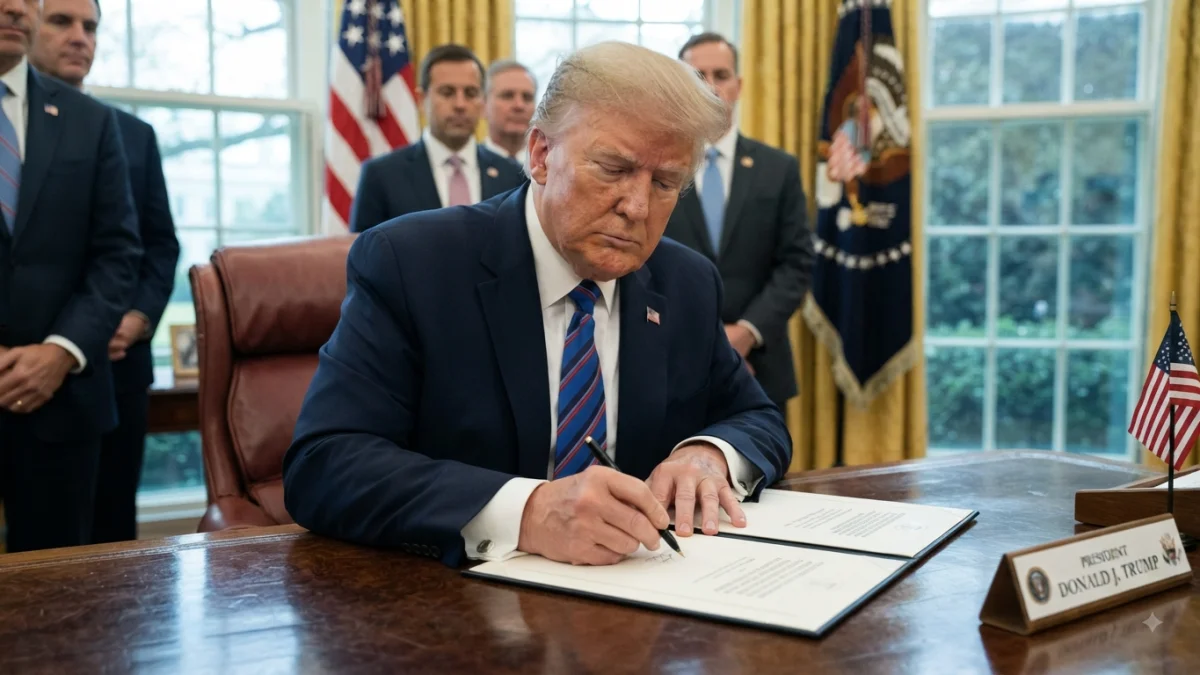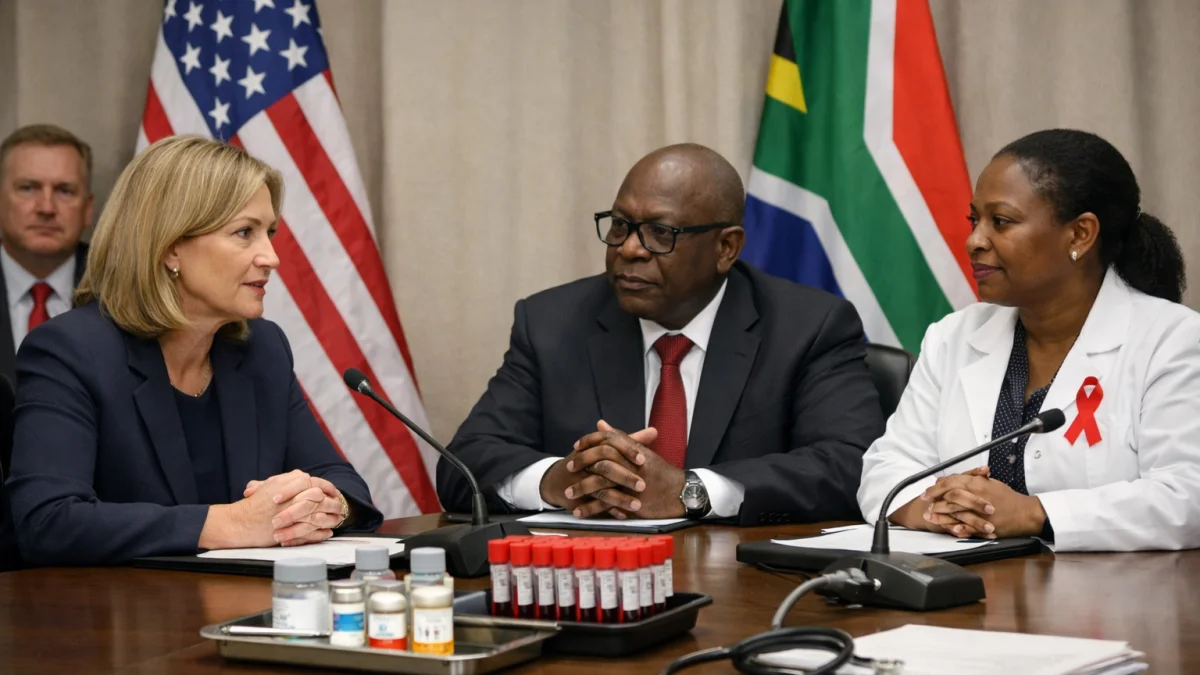


WASHINGTON — The United States is moving to end funding for HIV programs in South Africa through the President’s Emergency Plan for AIDS Relief (PEPFAR), citing a policy shift and what U.S. officials described as a failure by Pretoria to meet administration requests, officials said on Thursday. The State Department said the decision would involve a phased drawdown of PEPFAR activities in South Africa, according to officials briefed on the move.
The U.S. government’s decision affects one of the world’s largest HIV treatment and prevention partnerships. PEPFAR, launched in 2003, has supported HIV programs in South Africa for more than two decades, including treatment, prevention services and health system support. The State Department official cited by Semafor said the United States was initiating a “phased drawdown” after determining that South Africa had not made sufficient progress on policy issues raised by the administration.


U.S. officials said the change was part of a broader review of foreign assistance policy. The administration has argued that PEPFAR was not intended to be permanent and that South Africa, as a middle-income country, could assume greater responsibility for its own health programs, according to the State Department official.
South African health officials have previously said the country remains committed to maintaining HIV services despite reductions in U.S. support. The Health Ministry has said it is working on measures to sustain programs, although officials and health groups have reported concerns about the effects of reduced external funding on prevention and community-based services.
The decision comes as South Africa continues to manage one of the world’s largest HIV burdens. Reuters reported in April that the country has about 8 million people living with HIV and that U.S. funding had previously supported a significant share of the national HIV response. A report by Physicians for Human Rights said cuts to U.S. global health funding had disrupted HIV prevention efforts, including programs linked to testing, outreach and delivery of prevention services.
The South African government has rejected U.S. accusations related to broader policy disputes between the two countries. Officials in Pretoria have said health cooperation should not be affected by political disagreements, while U.S. officials have linked the funding decision to wider foreign policy considerations.
On Monday, officials said the transition process was expected to continue, with details of the timeline and the future status of individual programs still unclear. The U.S. government has not announced a complete timetable for ending all PEPFAR-supported activities in South Africa.
South African health authorities and organizations providing HIV services are expected to continue discussions on how to maintain treatment and prevention programs as U.S. funding is reduced.