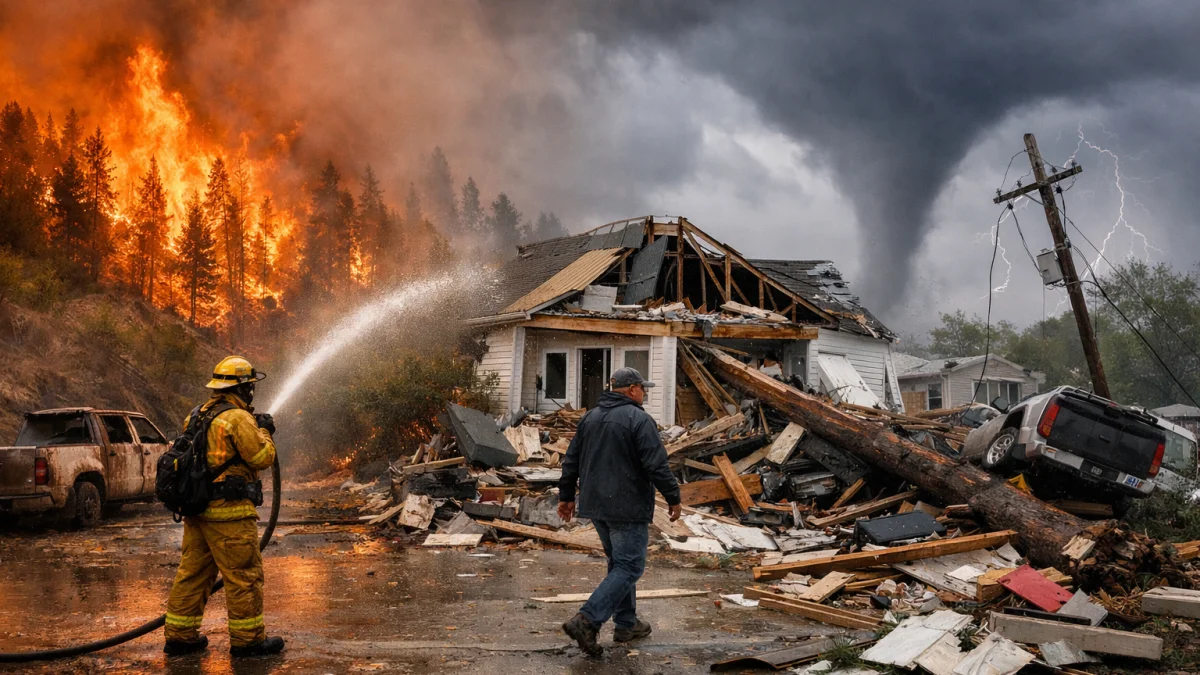


DENVER — Wildfires and severe storms caused widespread damage across parts of the Midwest and western United States this week, with powerful winds, hail and flooding from thunderstorms compounding fire risks in drought-affected areas, officials said.
Storms swept through the Midwest on Wednesday and Thursday, bringing destructive winds exceeding 75 mph, large hail and possible tornadoes to states including Illinois, Wisconsin, Iowa and Minnesota. A line of thunderstorms knocked out power to more than 400,000 customers in the Chicago area and surrounding regions, officials reported.


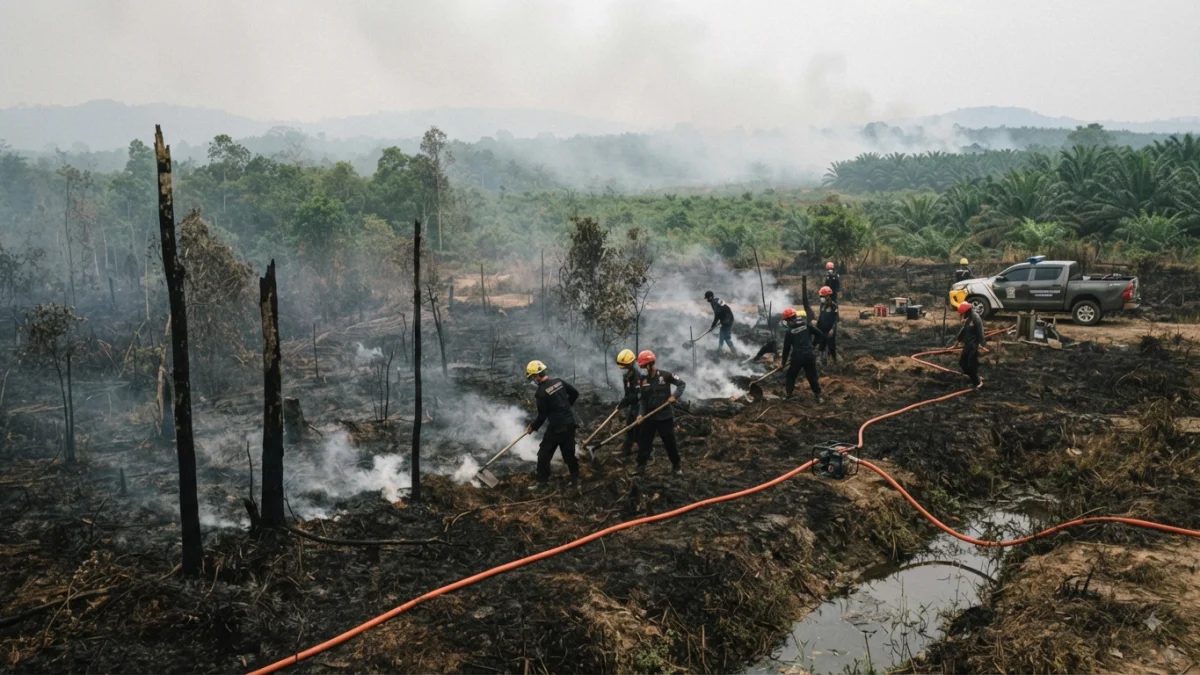
In the West and Plains, elevated fire weather conditions persisted amid dry vegetation and gusty winds, fueling multiple wildfires. Significant blazes were reported in states such as Idaho, Wyoming, Utah and earlier activity in Nebraska and Oklahoma, according to the National Interagency Fire Center.
The National Weather Service and Storm Prediction Center had issued moderate risks for severe weather across the Upper Midwest, with threats of damaging winds, hail and tornadoes affecting tens of millions of people. Power outages and flight delays disrupted travel in major hubs like Chicago.
Wildfire activity remained above normal in several western regions, with the National Interagency Fire Center noting heightened potential in the Northwest, Great Basin and parts of the Southwest due to ongoing drought and low humidity. Specific fires, including those in Idaho and Wyoming, burned thousands of acres in early June.
Illinois Governor JB Pritzker’s office and local emergency managers coordinated response efforts to storm damage, while federal and state firefighting resources were deployed to contain blazes in the West. Details on total structures damaged or exact acreage burned in the latest incidents remained under assessment.
“These events highlight the challenges of managing extreme weather across diverse regions,” said a National Weather Service spokesperson in a statement on Thursday. Officials urged residents to heed evacuation orders and avoid travel in affected areas.
As of Friday, cleanup continued in storm-hit Midwest communities, with utility crews working to restore power. Fire suppression efforts in the West focused on containment, aided by some cooling trends and potential precipitation in certain areas. No comprehensive casualty figures were immediately available from authorities.
The National Oceanic and Atmospheric Administration has tracked numerous billion-dollar weather disasters in recent years, including severe storms and wildfires. Further updates on recovery efforts and forecasts for additional activity were expected over the weekend.