

WASHINGTON — Several U.S. soldiers wounded during recent military operations in the Middle East have accused the Army of minimizing the severity of their injuries, while military officials deny any effort to downplay casualties and say established reporting standards were followed.
The allegations were detailed in interviews with CBS News and other media outlets published this month, focusing on service members injured during a March drone attack on a U.S. military facility in Kuwait. The strike, which occurred during the escalation of hostilities between the United States and Iran, killed six U.S. service members and wounded others, according to Pentagon and media reports.


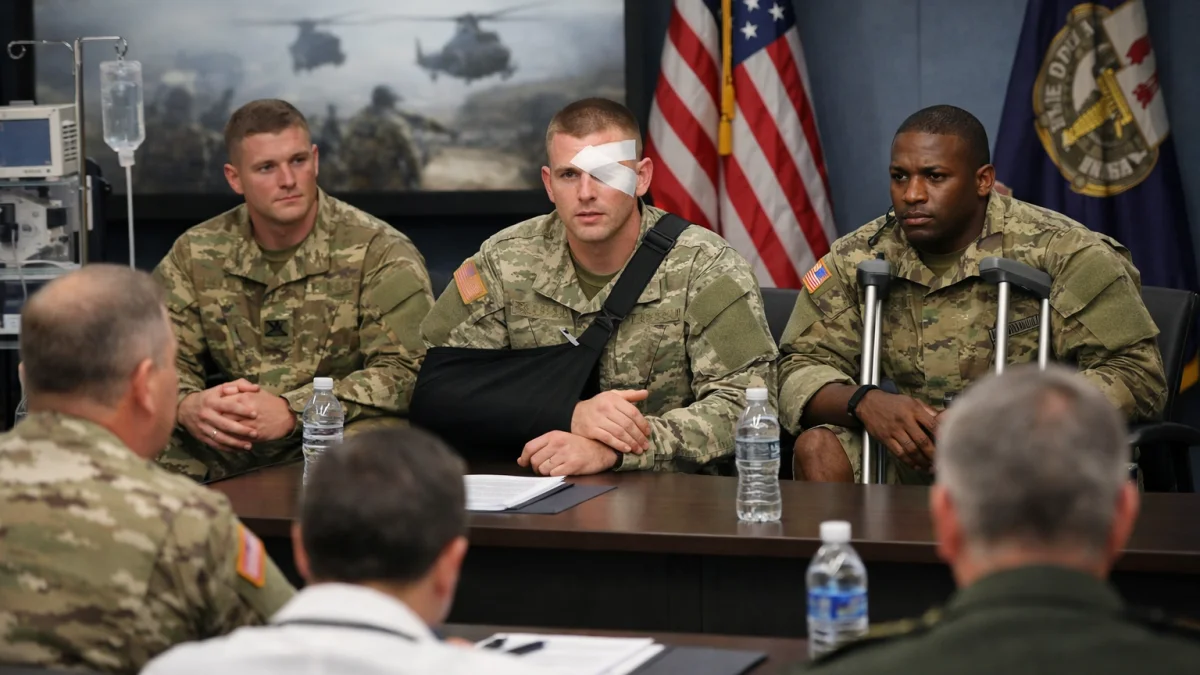
Among those raising concerns is Chief Warrant Officer Rodney Bearman, who sustained injuries including a concussion, lung damage, and hearing and vision problems after the attack, according to interviews cited by media reports. Bearman and other wounded troops said they were classified by the Army as “not seriously injured,” a designation they argue does not reflect the long-term impact of their wounds.
Sergeant First Class Cory Hicks, who suffered shrapnel wounds and a traumatic brain injury, also questioned the characterization of injuries resulting from the attack. Hicks required multiple surgeries and extended medical treatment, according to reports. “My family was initially told my injuries were minor,” Hicks told reporters, describing a gap between official classifications and the realities of recovery.
The controversy comes as the Pentagon has reported that many service members wounded during the conflict returned to duty after treatment. Defense Secretary Pete Hegseth said earlier this year that “an overwhelming majority” of injured personnel had suffered minor injuries, according to public remarks cited by multiple news organizations.
Army officials have rejected accusations of a cover-up. In statements cited by media reports, the service said casualty classifications are based on standardized criteria that assess the immediate risk to life rather than the duration of recovery or long-term health consequences. Officials said the Army remains committed to providing medical care and support to injured personnel.
Separate reporting by CBS News found that some survivors of the Kuwait attack had previously raised concerns about medical preparedness at the base before the strike occurred. Military officials have not publicly acknowledged any failures in planning related to the incident.
As of Wednesday, no formal investigation into casualty classifications had been publicly announced. Army officials said medical treatment and recovery programs for affected service members remain ongoing, while some soldiers and family members continue to seek additional reviews of how injuries sustained during the conflict were reported.